
Reviewed · CLIFFS OF MOHER TOURS
Cliffs of Moher and Blarney 2-Day Tour from Dublin
Ireland packs plenty into two days. This $226 tour from Dublin links the Rock of Cashel, Blarney Castle, Cork, the Burren, and the Cliffs of Moher without requiring you to rent a car. I like the mix of major sights and countryside driving, and I like that admission to three headline attractions, breakfast, transport, a guide, and one night’s accommodation are included. The tradeoff is a brisk schedule, with long stretches on the road and limited time to explore Cork or Limerick on your own.
I also like the human side of the trip. Guides including Paul, Rory, John, JJ, Brian, Joe, Dave, and Wayne have been praised for keeping the journey entertaining and running on time. Before booking, check the accommodation option carefully, since one overnight stay was described as excellent while another B&B was the low point of an otherwise good trip.
In This Review
- Key points to know before you book
- Why this two-day route works from Dublin
- Day one: the Rock of Cashel sets the tone
- Cork and the English Market lunch stop
- Blarney Castle and the famous stone
- Day two: Golden Vale, Limerick, and the Shannon
- The Burren: strange stone and rare flowers
- Cliffs of Moher: the reason most people book
- Bunratty Castle and the long return to Dublin
- Guides, buses, and the feel of the trip
- Who should book this $226 tour?
- Should you book it?
- FAQ
- Where does the tour start in Dublin?
- What time does the tour leave Dublin?
- How long does the tour last?
- What language is the tour conducted in?
- Where do you stay overnight?
- Is breakfast included?
- Are the attraction admission fees included?
- Are lunch and dinner included?
- Is kissing the Blarney Stone required?
- Where does the tour end?
Key points to know before you book

- The Cliffs of Moher get the main viewing time: You can walk along the cliff tops and use the Atlantic Edge interpretive experience.
- Blarney Castle is more than a stone to kiss: The medieval site includes dungeons, caves, hidden bedrooms, and the famous Blarney Stone.
- The Burren changes the mood completely: Its bare limestone scenery supports Alpine, Arctic, and Mediterranean flowers side by side.
- Cork is your overnight base: You get time for lunch at the English Market and a closer look at Ireland’s second city.
- Day one includes the Rock of Cashel: Medieval ruins, Celtic crosses, and round towers give the first day real historical weight.
- The tour suits a short Ireland visit: It covers a lot for the price, but it is not designed for slow, independent exploration.
Why this two-day route works from Dublin
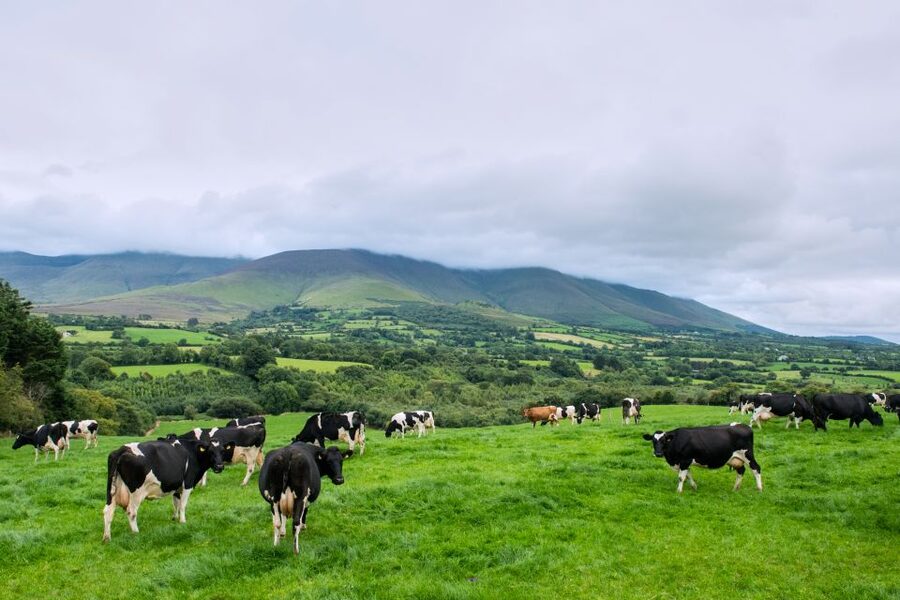
Ireland’s southwest is awkward to cover by public transport in only two days. The major sights point in different directions, and the Cliffs of Moher alone can consume much of a day from Dublin. This tour solves that problem by connecting the stops in a sensible loop, with an overnight stay in Cork.
You leave Dublin at 8:00 in the morning from one of two possible pickup points, either 5 Frenchman’s Lane or Paddy’s Palace. The exact meeting point depends on the option you book, so check it closely before setting out. The tour returns to one of those same locations after the second day.
The price is strong if you want a packaged trip. You pay $226 per person and receive transportation, a live English-speaking guide, breakfast, accommodation, and entrance fees to the Rock of Cashel, Blarney Castle, and the Cliffs of Moher. Lunch and dinner are extra, as are any attractions beyond those included.
I would not choose this trip if your main goal is to linger in small villages or spend hours taking photographs at every stop. I would choose it if you want the big southwest sights arranged for you, with the driving handled and the overnight stay included.
More Cliffs of Moher trips:
- Dublin to Cliffs of Moher, including Wild Atlantic Way and Galway
★ 5.0 · 23,331 reviews - From Dublin: Cliffs of Moher, Burren & Galway City Day Tour
★ 4.8 · 18,888 reviews - Dublin to Cliffs of Moher, Burren, Wild Atlantic Way, Galway Tour
★ 5.0 · 12,924 reviews
Day one: the Rock of Cashel sets the tone
The first major stop is the Rock of Cashel, one of Ireland’s most striking historic sites. The ruins sit on a rocky rise and include a cathedral, Celtic crosses, round towers, and other medieval remains. You can walk through a place tied to the traditional Kings of Munster and to St. Patrick.
The site was later given to the Catholic Church for use as a cathedral, almost a thousand years ago. That change in ownership helps explain why the Rock feels like several chapters of Irish history placed in one compact setting.
I would give this stop your full attention rather than treating it as a quick photo break. The ruins are visually strong, but the setting also makes the visit useful as an introduction to Ireland’s religious and political past. The admission fee is included, so you do not need to weigh an extra cost once you arrive.
The tour’s historical storytelling also covers the Great Potato Famine and the mass Irish exodus. That background matters. Ireland’s scenery can look peaceful from a coach window, but the country’s modern identity was shaped by hunger, loss, and the departure of more than one million people between 1845 and 1849.
Cork and the English Market lunch stop
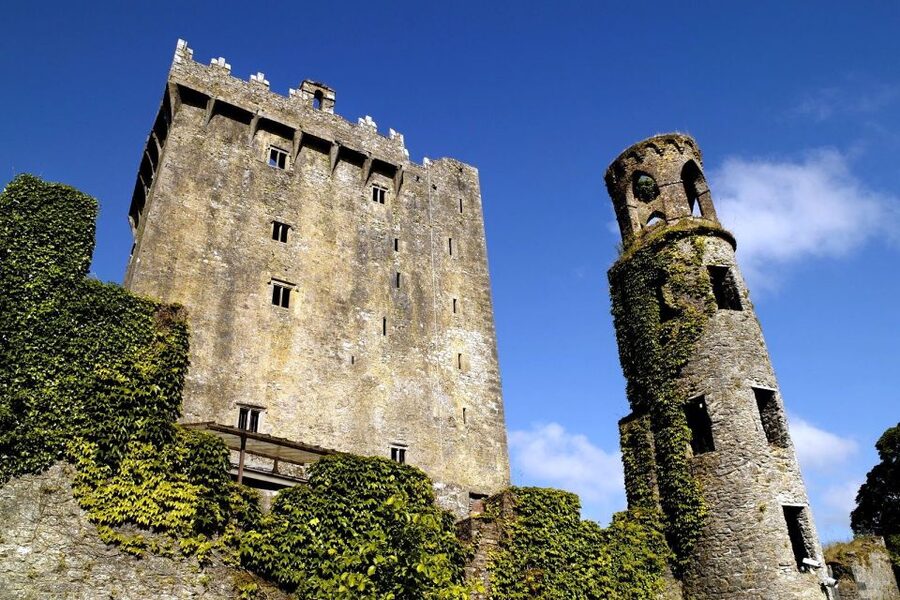
The route continues to Cork, Ireland’s second city and your overnight base. The schedule gives you time for lunch, with the English Market suggested as a good place to eat.
The market is a practical stop because it brings local food into the middle of a busy touring day. You can look for artisan meats, cheeses, and other Irish produce rather than settling for a generic meal beside a major attraction. Since lunch is not included, this is also the point where you should plan your own spending.
Do not expect a full city tour of Cork. The visit is short and focused, so you get a taste of the center rather than a detailed look at its museums, streets, or neighborhoods. That is fair for a two-day route, but it is worth knowing if Cork is high on your list.
The overnight stay gives you a little more contact with the city than a normal day trip would. Accommodation depends on the option selected. Some people found the Cork hostel a strong part of the experience, while a B&B was described as the only real disappointment on another trip. I would treat the lodging choice as an important part of the booking, not a minor footnote.
Blarney Castle and the famous stone
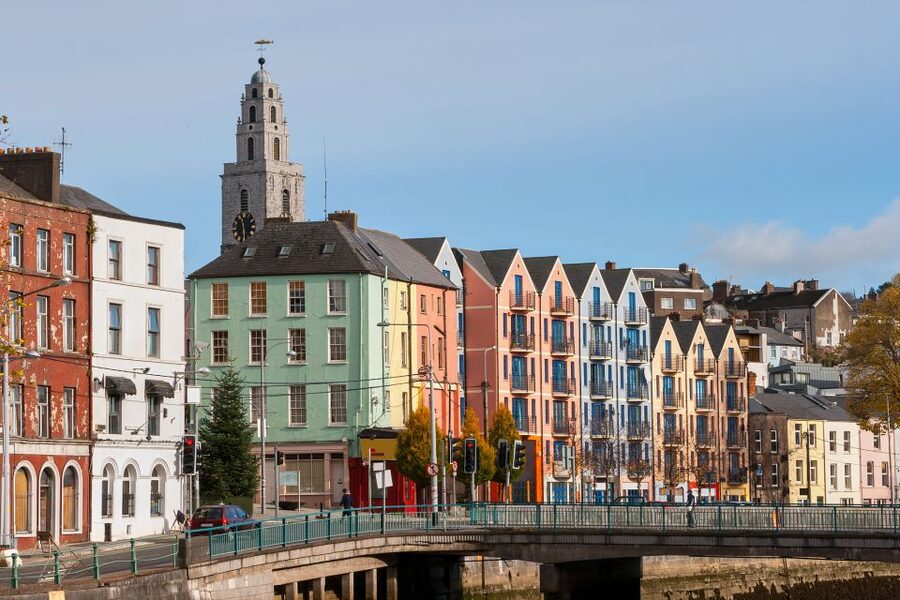
In the afternoon, you head to Blarney, a small town best known for Blarney Castle. The castle gives you more to do than simply line up for the Blarney Stone. You can explore the medieval stronghold, including its dungeons, caves, and hidden bedrooms.
Kissing the stone is optional. The tradition is linked to the gift of eloquence, so the stop has a playful side, but the castle itself deserves attention even if you skip the ceremony. The old rooms and underground spaces help you picture how a fortified home worked.
The stone is part of the admission included in the tour, though the act of kissing it is your choice. Expect this stop to draw plenty of interest, and remember that the main appeal is the whole castle complex rather than one brief ritual.
You return to Cork for the night. This is a useful arrangement because it avoids a long return to Dublin after a full day. It also means day two can head west early, toward the Burren and the Atlantic coast.
More Blarney Castle trips:
- Dublin to Rock of Cashel, Cork City & Blarney Castle Guided Tour
★ 4.5 · 2,536 reviews - Blarney, Rock of Cashel & Cahir Castles Day Tour From Dublin
★ 4.5 · 1,944 reviews - From Dublin: Blarney, Rock of Cashel and Cahir Castles Tour
★ 4.7 · 772 reviews - Dublin to Cork, Blarney Castle & Cóbh Heritage Centre by train
★ 4.5 · 510 reviews
Day two: Golden Vale, Limerick, and the Shannon
The second morning begins with a drive through the Golden Vale, an area known for some of Ireland’s best farmland. This section is mainly about scenery viewed from the road, so keep your camera ready, but do not expect a long walking stop.
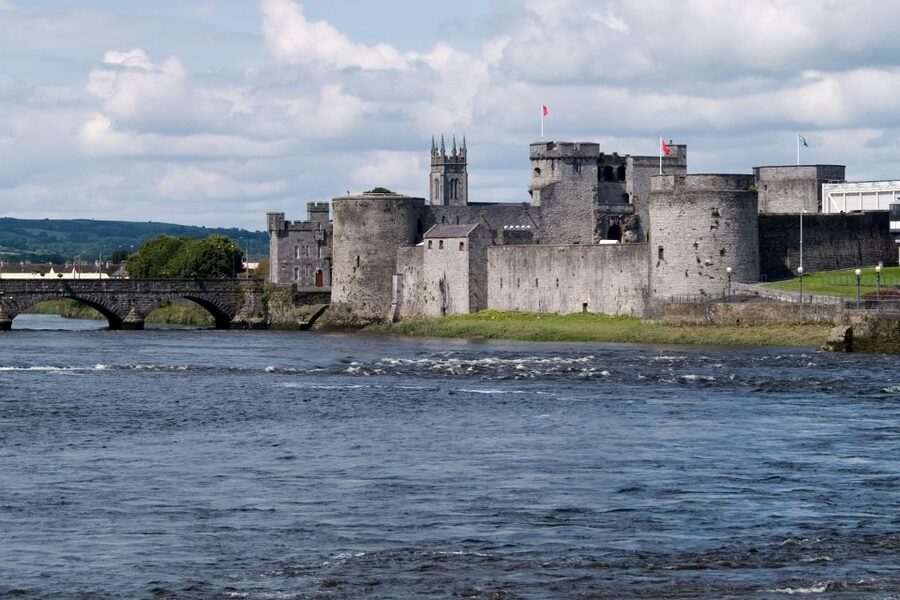
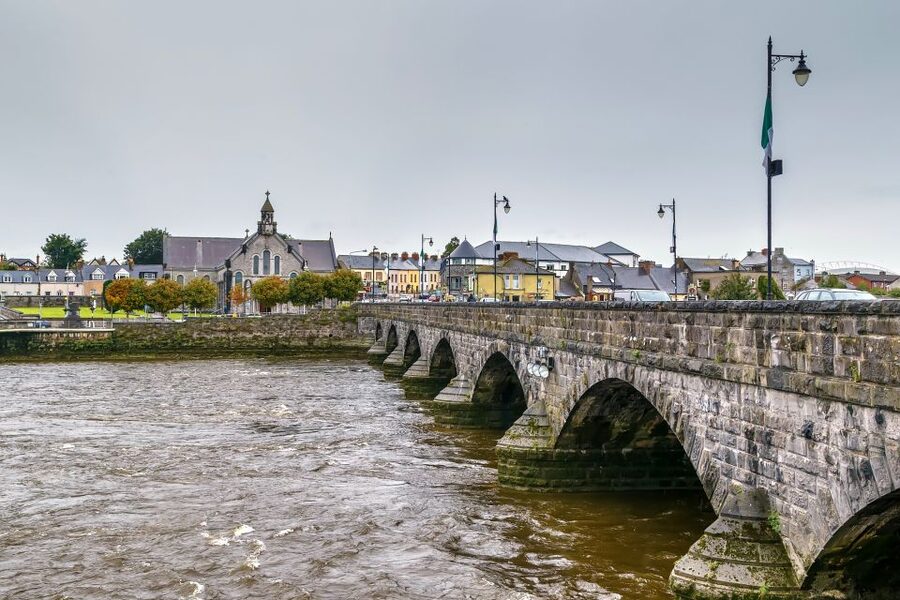
The route then reaches Limerick, where you can see the River Shannon and take photographs of King John’s Castle. The castle is a powerful landmark beside the river, but the supplied schedule describes this as a sightseeing and photo opportunity rather than a full interior visit.
That distinction is useful. You get a broad impression of Limerick and its setting, not a detailed city experience. If you have never visited the city, the stop adds context. If you already know Limerick well, you may find the pause brief.
The coach continues into County Clare, where the scenery grows more open and coastal. The drive includes views of the Atlantic, beaches with golden sand, and the possibility of spotting dolphins or whales. Wildlife sightings are never guaranteed, so enjoy the coast even if the water remains quiet.
The Burren: strange stone and rare flowers
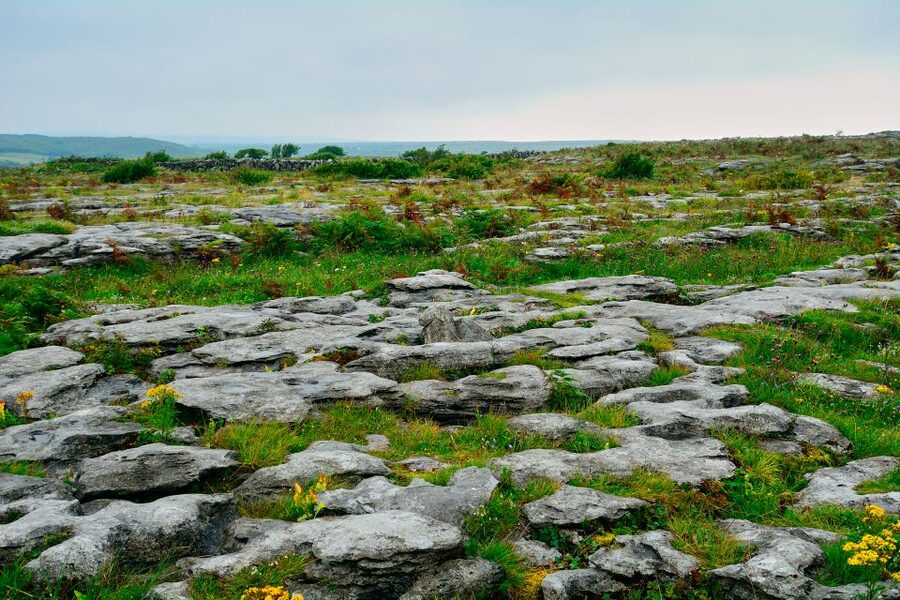
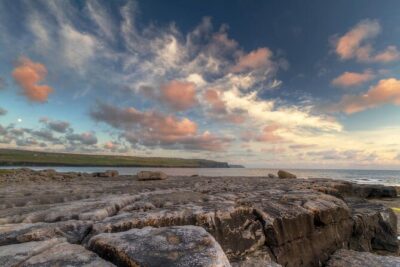
The Burren is one of the most unusual parts of the trip. Its exposed limestone gives the area a spare, almost lunar appearance. At first glance, the ground can seem too harsh for much plant life, yet Alpine, Arctic, and Mediterranean flowers grow side by side here.
That contrast is what makes the Burren worth more than a passing glance. You are not just seeing bare rock. You are seeing how small changes in soil, shelter, and weather can support plants from very different climates.
The route presents the Burren through the coach journey and guide commentary, so your experience depends partly on the timing and the road conditions. This is not a long independent hike. I would think of it as a scenic and natural-history section that prepares you for the cliffs ahead.
The famine stories add another layer to the drive through County Clare. The tour connects the scenery to the people who lived through the Great Potato Famine, then left Ireland in huge numbers. That makes the journey feel less like a string of pretty stops and more like a visit to a country shaped by hard choices.
Cliffs of Moher: the reason most people book
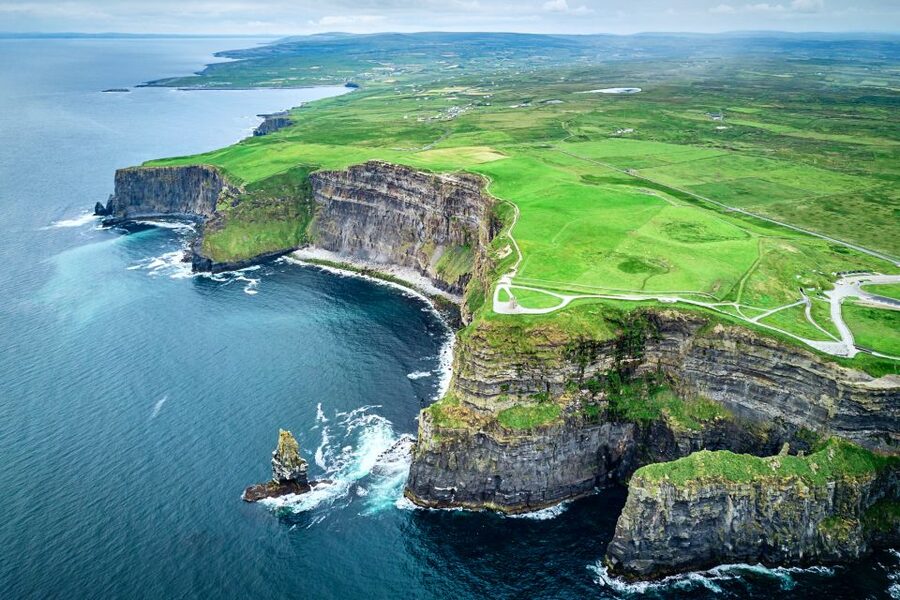
The Cliffs of Moher are the centerpiece. From the cliff tops, you look over the Atlantic and watch waves strike the rock far below. The scale is difficult to capture in a photograph, so give yourself time to stop, look outward, and let the setting do its work.
Admission is included, along with access to the Atlantic Edge interpretive experience. That added presentation gives useful context about the cliffs, coast, and natural setting. It is especially helpful if the weather is poor or if you want more than a quick viewpoint.
The tour also points out the area’s connection with film and surfing. The cliffs and surrounding coast have appeared in movie locations, while the nearby surf has drawn major attention, including a visit connected with Kelly Slater and the surf film Wave Riders. These details add interest, though the cliffs themselves are the main event.
You should also plan for changing weather. The tour information does not promise clear skies, and the Atlantic coast can look entirely different under cloud, wind, or sun. Wear clothing that works outdoors and keep your focus on safe viewing rather than getting the perfect edge-of-the-cliff photograph.
The biggest drawback is time. You are given a scheduled visit, not an open-ended afternoon. That keeps the tour moving, but you may wish for longer if the weather is beautiful or if you want to walk farther along the cliff path.
Bunratty Castle and the long return to Dublin
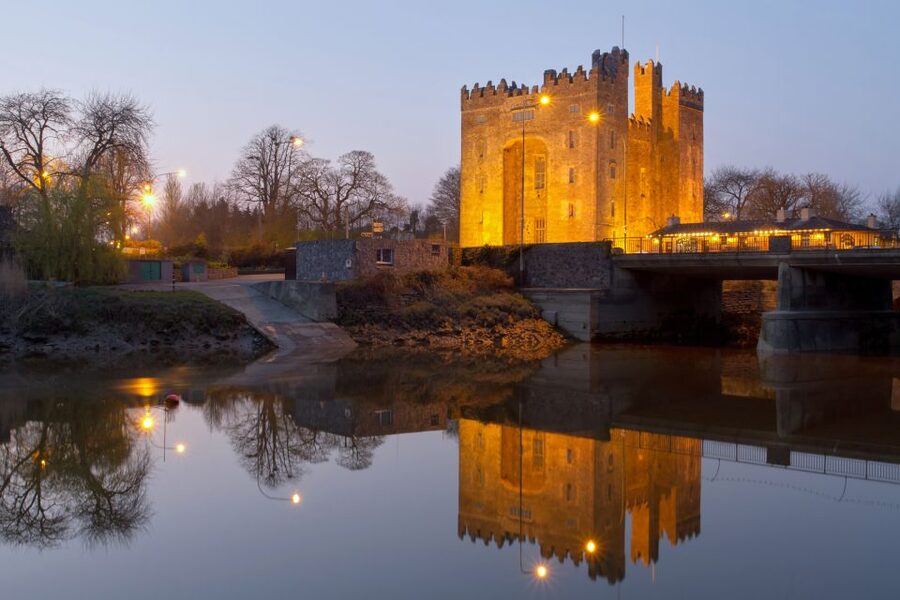
On the way back, the group makes a short photo stop at Bunratty Castle, a 15th-century tower house. It works as a final medieval note after Cashel and Blarney, though the stop is brief and should not be confused with a full castle visit.
The return to Dublin can feel long after two packed days. That is the price of seeing the southwest without arranging your own transport. You may be tired, but the route gives you a strong range of Irish sights: religious ruins, a fortified castle, city life, farmland, limestone scenery, Atlantic cliffs, and a tower house.
One practical wrinkle appeared when a small number of people booked the two-day option and had to transfer between buses on the second day. In that situation, luggage became awkward because there was no locker at the transfer location. If you are carrying a suitcase, ask how luggage will be handled and avoid assuming that every stop offers secure storage.
Guides, buses, and the feel of the trip
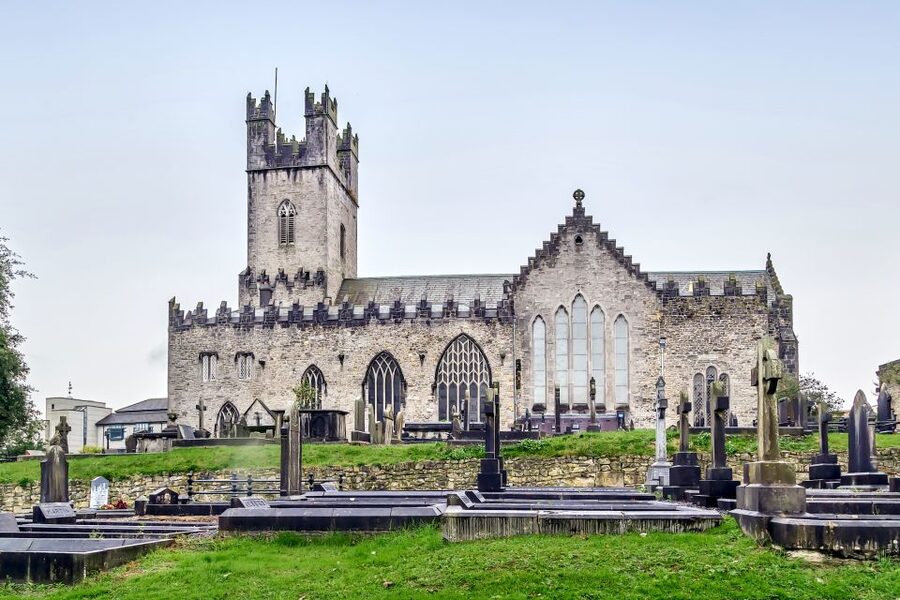
The guide can shape the experience as much as the scenery. Paul has been singled out for being entertaining and well informed, while Rory and John were praised for reliability. JJ was remembered for his humor, and Brian, Joe, Dave, and Wayne also received warm praise.
The strongest pattern is clear: the guides are often a major reason the tour works. They drive, explain, keep people moving, and fill the long road sections with stories. Punctuality also comes up as a strength, which matters when a two-day schedule depends on several connections.
The trip is delivered in English. Because the route is busy, you should expect a shared coach experience rather than a private tour. That brings good energy and a lower price, but it also means you follow the group’s timing.
The accommodation is the least predictable part. The selected option matters, and the feedback ranges from a very good Cork hostel to an unsatisfying B&B. Confirm what type of lodging you are choosing before paying, especially if a comfortable night is important to you.
Who should book this $226 tour?
I would recommend it to first-time visitors who want to see several major Irish sights without renting a car. It is also a good fit for solo visitors, since the arranged transport and group setting make the route straightforward. One solo visitor found the guides outgoing, helpful, and informative, and considered the Cork hostel a strong part of the trip.
This tour also suits people with limited time. You see the Rock of Cashel, Blarney Castle, Cork, the Burren, the Cliffs of Moher, Limerick, the Shannon, and Bunratty Castle in two days. Few independent plans would cover that many major places so neatly.
I would hesitate if you dislike early starts, long drives, or fixed schedules. You will not have much spare time for shopping, museums, or quiet walks. I would also choose a different plan if you want to stay at the Cliffs of Moher for hours or make Cork the main focus of your visit.
Free cancellation up to 24 hours before departure and the option to reserve now and pay later make the booking less rigid. Those policies are useful, but they do not change the tour’s basic character: it is a fast, practical route through southwest Ireland.
Should you book it?
Book this tour if you want maximum scenery and major sights in a short window, and if you value a guide who can turn long drives into part of the experience. The included admissions and overnight stay make $226 reasonable, especially compared with arranging transport and lodging separately.
Skip it if you want slow travel, substantial free time, or complete control over where you stop. For most first-time visitors with only two days, though, this is a sensible way to reach the Cliffs of Moher and Blarney Castle from Dublin, with plenty of memorable stops along the way.
FAQ
Where does the tour start in Dublin?
The tour has two possible starting locations: 5 Frenchman’s Lane and Paddy’s Palace. The exact meeting point can vary according to the option booked.
What time does the tour leave Dublin?
The first day departs Dublin at 8:00 in the morning.
How long does the tour last?
The experience lasts two days. Starting times should be checked when you select your date.
What language is the tour conducted in?
The live tour guide provides commentary in English.
Where do you stay overnight?
The overnight stay is in Cork. The specific accommodation depends on the option selected.
Is breakfast included?
Yes. Breakfast is included with the tour.
Are the attraction admission fees included?
Yes. Admission to the Rock of Cashel, Blarney Castle, and the Cliffs of Moher is included.
Are lunch and dinner included?
No. Lunch and dinner are not included, so you should budget separately for both meals.
Is kissing the Blarney Stone required?
No. Kissing the Blarney Stone is optional, though the castle visit is part of the scheduled stop.
Where does the tour end?
The activity ends back at the meeting point, with drop-off at Paddy’s Palace or 5 Frenchman’s Lane.
Newest in Dublin
- Wicklow Mountains Private Day Tour including Glendalough★ 5.0 · 7 reviews
- Wicklow: Private Day Tour from Dublin★ 5.0 · 5 reviews
- From Dublin: Powerscourt House, Guinness Lake & Glendalough★ 5.0 · 2 reviews
- Ultimate Dublin Food Tour★ 4.5 · 2 reviews
- Women Of Ireland: Trailblazers & Pioneers★ 5.0 · 4 reviews
- Wicklow tour of Glendalough★ 4.5 · 8 reviews
- Wicklow Mountains & Glendalough Luxury Private Day Tour★ 5.0 · 23 reviews
- Whiskey Tasting Tour of Dublin★ 5.0 · 117 reviews
Cliffs of Moher Tours, compared.
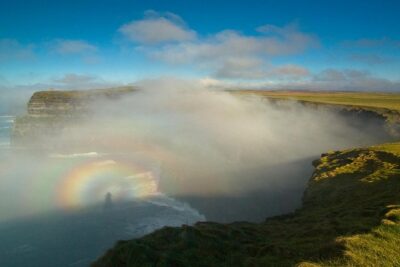
Dublin to Cliffs of Moher, including Wild Atlantic Way and Galway
Read our review →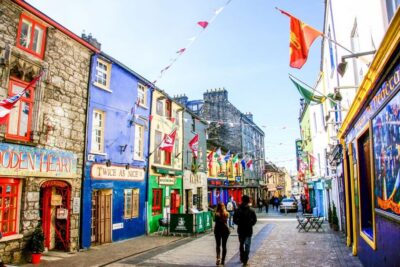
Cliffs of Moher, Burren & Galway City Day Tour
Read our review →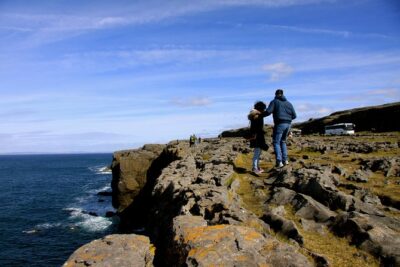
Dublin to Cliffs of Moher, Burren, Wild Atlantic Way, Galway Tour
Read our review →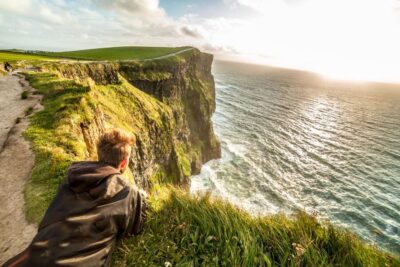
Galway to Cliffs of Moher, Aillwee Cave & Dunguaire Castle Tour
Read our review →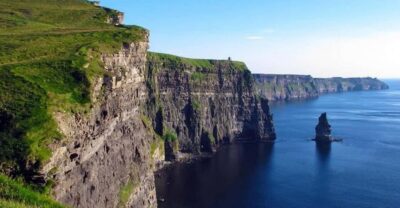
Cliffs of Moher, Doolin, Burren, and Galway Day Trip
Read our review →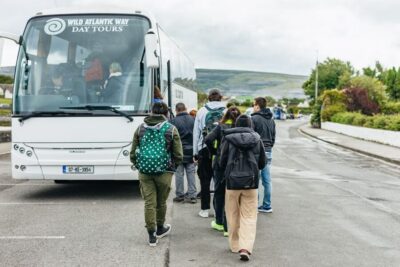
Full-Day Cliffs of Moher & Burren Guided Tour
Read our review →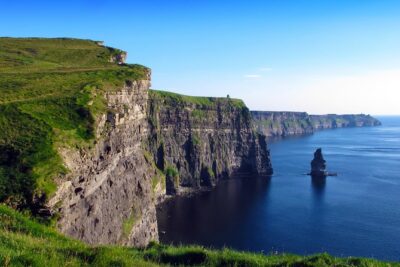
Cliffs of Moher, Burren and Galway Day Tour from Dublin
Read our review →Browse the lists this tour appears in