
Reviewed · JEWELLERY MAKING WORKSHOPS
Dublin Jewellery, Create a Personalised Charm in Silver
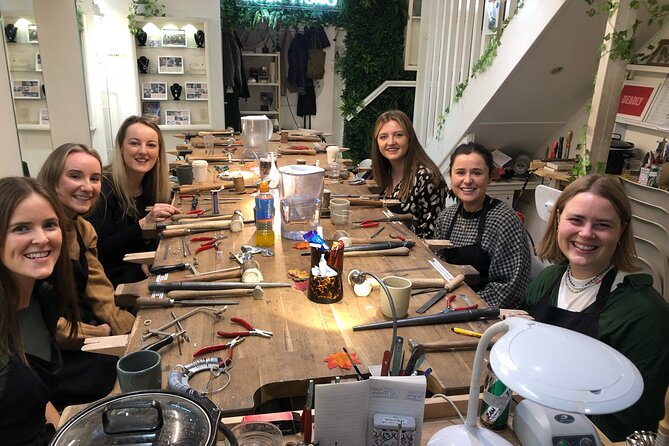
Make your own Dublin keepsake. This two-hour workshop at Silver Works on Drury Street gives you a hands-on way to create a sterling silver charm instead of simply buying a souvenir. I like the small class size of six, which means the teacher can give you useful help, and I like the freedom to choose a shape, texture, initial, and finish. The main consideration is the price, $98.40 per person, which is a fair charge for a guided craft class and a silver keepsake, but more than you would pay for a ready-made charm.
The class begins at 6:30 pm and ends back at the shop, making it a good evening activity after a day in Dublin. You can make a circular, diamond, square, heart, star, flower, pear, rectangle, or shamrock charm. You may even get more than one charm from the silver square, though that depends on your design and how efficiently you use the material.
In This Review
- Key Points Before You Book
- Starting at Silver Works on Drury Street
- Choosing a Shape From a Silver Square
- Stamping, Filing, and Smoothing the Edges
- Adding Texture and an Initial
- The Teacher Drills the Hole and Adds the Bail
- Choosing Between a Sparkly and Matt Finish
- What You Receive for $98.40
- Who Will Enjoy This Dublin Workshop?
- Practical Details for a Smooth Evening
- My Verdict: Book It for the Making, Not Just the Charm
- FAQ
- Where does the charm-making class take place?
- What time does the experience start?
- How long does the activity last?
- Where does the activity finish?
- How many people can join the class?
- What shapes can I choose for my silver charm?
- Can I add a personal initial or texture?
- Can I buy a chain for the charm?
- What is the cancellation policy?
Key Points Before You Book
- You shape real sterling silver: The finished charm is handmade by you, not simply decorated or assembled from a kit.
- You choose from nine shapes: Options include a heart, star, flower, shamrock, diamond, and several simple geometric forms.
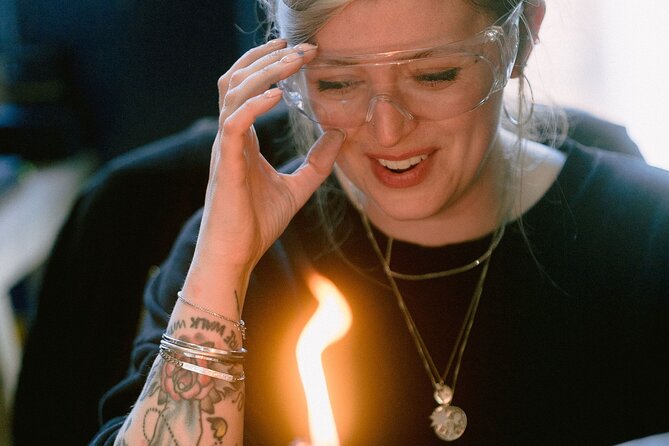
- You learn practical metalworking: Stamping, filing, sanding with emery paper, adding texture, and preparing the piece for a bail are all part of the process.
- You can personalise the surface: Add an initial or your own texture before choosing a sparkly or matt finish.
- The class is limited to six people: That small group should make it easier to get individual guidance.
- A chain is available at a class discount: You can add the charm to a necklace or bracelet, or use one you already own.
Starting at Silver Works on Drury Street
Your meeting point is Silver Works, 24 Drury Street, Dublin, D02 V658. The activity starts at 6:30 pm and finishes at the same place, so there is no second location to find at the end of the evening.
That simple arrangement matters. You can put the address into your phone, arrive near the start time, and leave with your finished piece without worrying about a return transfer. The shop is near public transportation, which helps if you are staying elsewhere in Dublin.
The class lasts about two hours. That is long enough to learn several basic techniques without turning the evening into a full-day course. You should still arrive ready to concentrate. Small jewellery work rewards patience, and rushing the filing or sanding stage can affect the final shape.
The group maximum is six people. I see this as one of the strongest features of the class. Metalwork requires close instruction, especially when you are stamping a shape or working near the edges of a small piece. A teacher working with six people has a better chance of noticing when you need a demonstration or a quick correction.
More jewellery workshops in Dublin:
- Dublin: Forge a Silver Ring Workshop on Drury Street
★ 4.9 · 1,065 reviews - Dublin Jewellery Forge a Hammered Silver Ring: Drury Street
★ 5.0 · 410 reviews - Dublin Jewellery Forge a Hammered Silver ring:Georges Street
★ 5.0 · 59 reviews
Choosing a Shape From a Silver Square
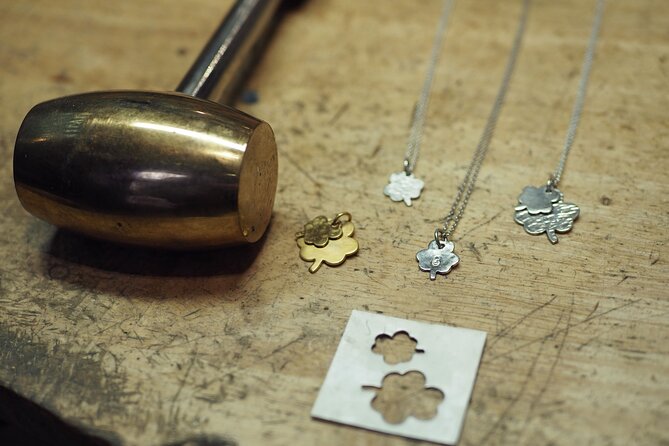
The class starts with a square of sterling silver. You choose the outline you want, then stamp out that shape. The choices cover both classic jewellery forms and distinctly Irish designs.
A heart or star makes an easy personal gift. A circle or square gives you a clean, modern look. The shamrock is the obvious Dublin choice, especially if you want the charm to recall Ireland rather than simply mark a craft class.
You can also choose a diamond, flower, pear, or rectangle. These shapes are useful if you prefer something less familiar than a heart or star. The rectangular option could suit a small initial or simple texture, while a flower or pear shape gives the charm a softer outline.
One appealing detail is the possibility of making more than one charm from the same silver square. This can create a layered necklace or a pair of small matching pieces. Do not assume you are guaranteed several charms, though. The result depends on the size and layout of your chosen shapes, so ask the teacher about your plan before cutting or stamping.
This stage gives you the first important choice: do you want one larger, clearer charm, or several smaller pieces? If your main goal is a readable initial or strong texture, one larger charm may be the better use of the silver. If you want a layered effect, smaller shapes may be more useful.
Stamping, Filing, and Smoothing the Edges
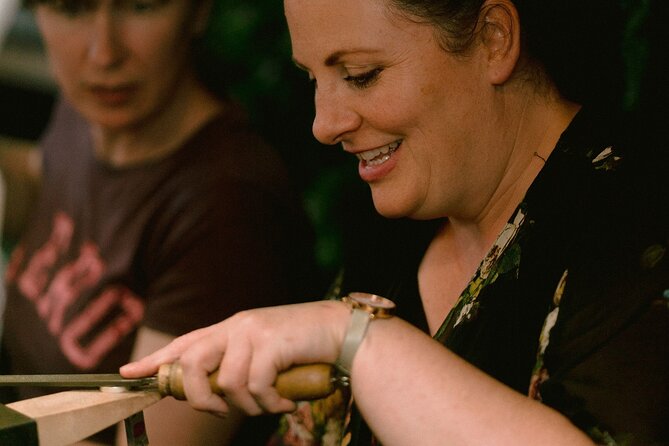
After choosing your outline, you stamp out the shape. The teacher demonstrates the process and guides you through the basic metalworking steps. You are not expected to arrive with jewellery-making skills.
The next stage is filing. This removes rough edges and helps refine the outline. It is a practical lesson in why handmade jewellery takes time. The charm may look nearly finished once the shape is cut, but the edge still needs care before it can sit comfortably against your skin or clothing.
You then use emery paper to smooth the surface and edges. This is not the most dramatic part of the class, but it is one of the most useful. The final charm depends on these quiet finishing steps. A few extra minutes of careful sanding can make a small piece look cleaner and feel better.
I would approach this part slowly. Let the teacher show you how much pressure to use, then work methodically around the shape. If you are making two charms, the filing stage will take more of your available time, so keep your designs manageable.
A clay metal workshop taught by Jane has also been described as particularly clear, with strong demonstrations and explanations. If Jane is leading your session, you can expect an instructor who knows how to break the work into simple stages. The provider may assign a different teacher, so treat her name as a useful detail rather than a guarantee.
Adding Texture and an Initial
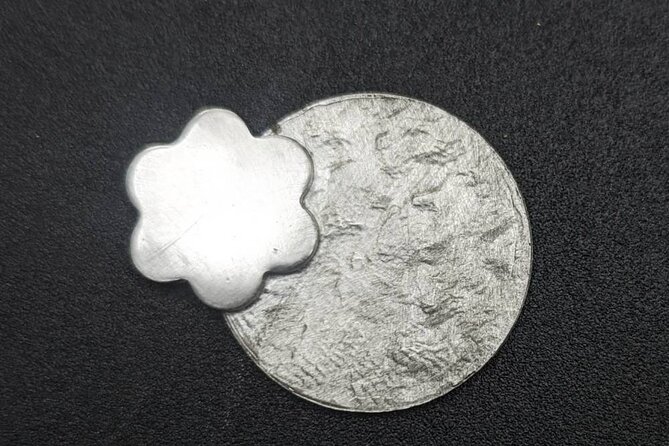
Once the shape has been smoothed, you can add texture. This is where the charm begins to feel personal. A plain silver shape can be attractive, but a surface pattern gives it a mark that connects it to your own design.
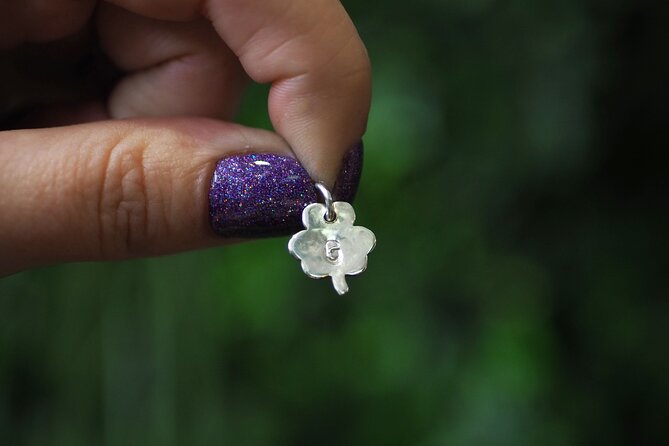
You may also add an initial. This works well on a simple circle, rectangle, or small geometric charm. An initial can represent your name, a family member, or someone you are travelling with. It can also make the piece feel more like a keepsake than a general souvenir.
The class does not promise unlimited lettering, symbols, or design options, so keep your idea straightforward. Ask the teacher what is practical before you commit to the surface. On a small charm, a single initial or restrained texture will usually be easier to read than a crowded design.
This is also a good point to decide if you want matching pieces. Two small charms with related textures could work on one chain, or separate charms could be shared between family members. The class is suited to that kind of personal project because you make the decisions yourself.
A few more ways to spend a day in Dublin
- Dublin to Cliffs of Moher, including Wild Atlantic Way and Galway
★ 5.0 · 23,331 reviews - From Dublin: Cliffs of Moher, Burren & Galway City Day Tour
★ 4.8 · 18,888 reviews - Dublin: Guinness Storehouse Entry Ticket
★ 4.6 · 16,863 reviews - Dublin to Cliffs of Moher, Burren, Wild Atlantic Way, Galway Tour
★ 5.0 · 12,924 reviews
The Teacher Drills the Hole and Adds the Bail
The teacher drills the hole in the charm. This is an important safety and precision step, so you do not need to handle that part yourself. The hole allows the bail to be attached, turning the shaped piece into something that can hang from a chain or bracelet.
You can add the bail after the hole is prepared. The teacher will guide you through the process, but you should still pay attention to how the piece is oriented. A charm can look different once it hangs vertically, especially if you have added an initial or an uneven texture.
This part of the class also shows the value of having an instructor nearby. Drilling a neat hole in a small silver piece is not an easy first attempt, and a misplaced hole could change how the charm hangs. The teacher handles the drilling while you remain involved in the design and assembly.
If you already own a necklace or bracelet, bring the intended size and style to mind when planning your charm. If you need a chain, Silver Works offers one in the shop at a discounted price for class participants. The chain is not included in the stated class price, so allow for that possible extra cost.
Choosing Between a Sparkly and Matt Finish
The final choice is the surface finish. You decide if you want the silver to look sparkly or matt.
A sparkly finish catches the light and gives the charm a brighter jewellery-shop appearance. It may suit a heart, star, or shamrock. A matt finish looks quieter and more understated, and it can work well with a geometric shape or a textured surface.
Neither option is better for everyone. I would choose the finish based on how you plan to wear the charm. If it is meant to be a small statement piece, the sparkly finish may be right. If you want an everyday keepsake with a softer look, matt silver may suit you better.
This final decision helps the class feel complete. You have not just selected a shape from a display. You have worked through the form, edges, surface, attachment, and appearance of the piece.
What You Receive for $98.40
At $98.40 per person, this is not a budget souvenir stop. You are paying for sterling silver, instruction, equipment, access to a small class, and the chance to make a finished piece with your own hands.
The value is strongest if you want an activity as well as an object. A shop-bought charm may cost less, but it will not give you the process, the personal decisions, or the memory of making it in Dublin. The class also offers a useful middle ground between a quick tourist purchase and a longer jewellery course.
The price is easier to justify if you plan to wear the charm or give it as a meaningful gift. It is less compelling if you only want a cheap souvenir or if you dislike careful handwork.
A small chocolate treat has also been associated with the workshop, but I would regard that as a bonus rather than part of the guaranteed value. The important included experience is the silver charm-making session itself.
Who Will Enjoy This Dublin Workshop?
This class suits creative people who like making something tangible. You do not need previous metalworking experience, and the teacher demonstrates the basic techniques. The work does require focus, so it is better for anyone who enjoys a calm, practical activity than for someone seeking a fast-paced evening.
It can work well for families, couples, and friends. The option to create initials, matching charms, or layered designs gives each person room to make something different while sharing the same activity.
The small group also makes it a good choice if you prefer direct help. You are not being sent through a large production line. You shape the silver yourself, but you have an instructor available for the technical steps.
The class may not suit you if you want a long jewellery-making course with many materials and complex techniques. The session is only about two hours, and the project focuses on one charm, or possibly more than one small charm, rather than a full collection of jewellery.
Practical Details for a Smooth Evening
Confirmation arrives at the time of booking, and the experience uses a mobile ticket. The meeting point is Silver Works, 24 Drury Street, with a 6:30 pm start. Since the activity ends at the same address, you can plan the rest of your evening around that location.
Service animals are allowed, and the venue is near public transportation. Most people can participate, but metalwork still involves small tools and close handwork. If you have concerns about taking part, contact the provider before booking.
Free cancellation is available if you cancel at least 24 hours before the start time. Changes or cancellations made inside that 24-hour window are not accepted and are not refunded. The local Dublin cut-off time applies.
The class requires a minimum number of participants. If the provider cancels because that number is not reached, you will be offered another date or experience, or a full refund.
My Verdict: Book It for the Making, Not Just the Charm
I recommend this workshop if you want a personal Dublin memento and enjoy learning by doing. The small group, clear sequence of techniques, choice of shapes, and final finish make the $98.40 price easier to understand.
Book it especially if you like the idea of a shamrock, initial, textured charm, or layered necklace that carries your own decisions. Skip it if you want the least expensive souvenir or if two hours of careful filing sounds like work rather than fun.
For creative couples, families, and friends, this is a thoughtful evening activity with a real result. You leave with more than silver. You leave with a piece that records where you were and what you chose to make.
FAQ
Where does the charm-making class take place?
It takes place at Silver Works, 24 Drury Street, Dublin, D02 V658, Ireland.
What time does the experience start?
The class starts at 6:30 pm.
How long does the activity last?
The workshop lasts approximately two hours.
Where does the activity finish?
The experience ends back at the Silver Works meeting point on Drury Street.
How many people can join the class?
The maximum group size is six people.
What shapes can I choose for my silver charm?
You can choose a circular, diamond, square, heart, star, flower, pear, rectangle, or shamrock shape.
Can I add a personal initial or texture?
Yes. You can add textures and an initial if you wish.
Can I buy a chain for the charm?
Yes. A necklace chain can be purchased in the shop at a discounted rate for class participants.
What is the cancellation policy?
You can cancel at least 24 hours before the start time for a full refund. Cancellations or changes made less than 24 hours before the start time are not accepted and are not refunded.
Newest in Dublin
- Wicklow Mountains Private Day Tour including Glendalough★ 5.0 · 7 reviews
- Wicklow: Private Day Tour from Dublin★ 5.0 · 5 reviews
- From Dublin: Powerscourt House, Guinness Lake & Glendalough★ 5.0 · 2 reviews
- Ultimate Dublin Food Tour★ 4.5 · 2 reviews
- Women Of Ireland: Trailblazers & Pioneers★ 5.0 · 4 reviews
- Wicklow tour of Glendalough★ 4.5 · 8 reviews
- Wicklow Mountains & Glendalough Luxury Private Day Tour★ 5.0 · 23 reviews
- Whiskey Tasting Tour of Dublin★ 5.0 · 117 reviews
Jewellery Making Workshops, compared.
Dublin Jewellery Forge a Hammered Silver Ring: Drury Street
Read our review →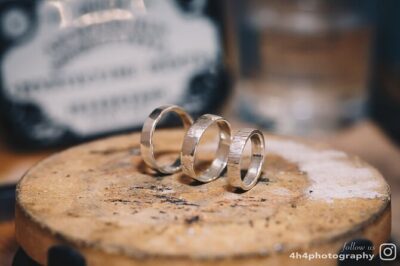
Dublin Jewellery Forge a Hammered Silver ring:Georges Street
Read our review →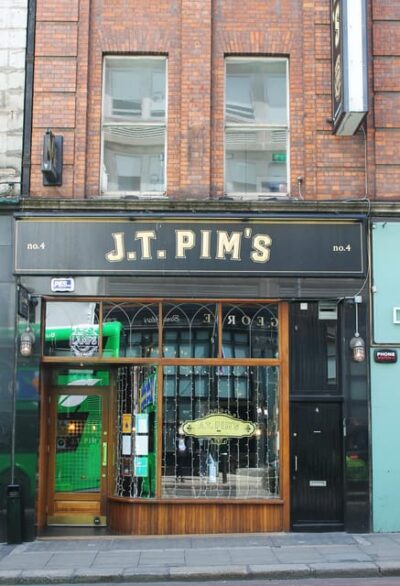
Browse the lists this tour appears in