
Reviewed · WORKSHOPS
Irish Baking Class: Granny’s Apple Cake, Traditional Scones
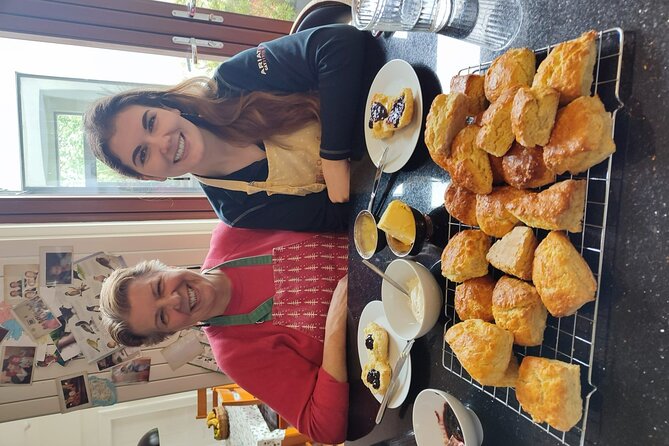
Bake something worth remembering. This small-group class in Emily Lavelle’s Dublin home offers more than a recipe lesson. You’ll enjoy tea or coffee, hear about Irish food and daily life, and make either traditional scones or Granny’s apple cake. I especially like the personal home setting and the chance to take home recipes you can use after Ireland. The one drawback is that you must choose between the two bakes rather than making both as part of the standard class.
The class lasts about 90 minutes and costs $102.41 per person. That is not a bargain snack stop, but the price covers instruction, ingredients, conversation, and time with a host who makes the experience feel personal. It also requires at least two people, so solo visitors need to confirm that a booking can go ahead.
In This Review
- Why this little class works so well
- Arriving on Morehampton Road at 10:30
- Tea first, then a warm introduction to Irish food
- Choosing between Irish scones and Granny’s apple cake
- Traditional Irish scones
- Granny’s apple cake
- Baking with Emily in a group of six or fewer
- Irish food, family recipes, and everyday culture
- The best part: eating what you made
- Is $102.41 a fair price?
- Dietary needs, age limits, and practical comfort
- Who should book this Dublin baking class?
- Should you book Emily Lavelle’s class?
- FAQ
- Where does the Irish baking class take place?
- What time does the class begin?
- How long does the experience last?
- What can I bake during the class?
- Is the class suitable for children?
- Can dietary requirements be accommodated?
- How many people can join the class?
Why this little class works so well
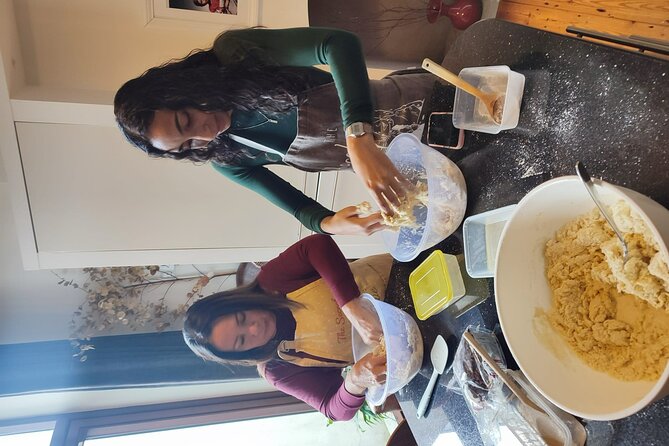
- You bake in Emily Lavelle’s Victorian Dublin home, not in a large commercial kitchen.
- You choose one traditional recipe, either light Irish scones or Granny’s apple cake.
- Tea, coffee, and conversation are part of the experience, with Irish food and culture woven into the lesson.
- The group is capped at six people, which leaves room for questions and personal help.
- Families can join, since the class is suitable for children aged 8 and older.
- Recipes are sent home with you, and extra baking can be taken away.
Arriving on Morehampton Road at 10:30
The class begins at 10:30 am on Morehampton Road in Dublin, in the Donnybrook area. The activity ends back at the same meeting point, so you will not need to arrange a second pickup location or find your way across the city afterward.
This is a residential part of Dublin, and that matters. You are not simply passing through a tourist venue for a quick demonstration. You are entering the sort of home setting where Irish food traditions make sense: tea on the table, family recipes, and time to talk. The setting helps the class feel connected to ordinary Dublin life.
The meeting point is near public transportation, and one useful practical tip comes from the experience itself: taxis to and from Emily’s home were easy to arrange. If you are carrying luggage, traveling with children, or running on a tight schedule, a taxi may be the simplest choice. Public transportation is available nearby, but the supplied details do not identify a specific route or stop, so check your own map shortly before leaving.
Because the class starts at a private home, arrive with the full address and contact details ready. The information provided identifies Morehampton Road, but not a more detailed street number. Your booking confirmation should be your guide for the final arrival instructions.
More cooking classes in Dublin:
- Irish Craic & Cuisine: Cooking Class & Dinner in Central Dublin
★ 5.0 · 80 reviews - Private Cooking Class in a Modern Home with Sea Views in Skerries, Dublin
★ 5.0 · 12 reviews - Private Market Tour and Irish Cooking Class in a Modern Skerries Home
★ 5.0 · 7 reviews
Tea first, then a warm introduction to Irish food
The class begins with tea or coffee before anyone starts baking. One especially nice touch described in the experience is warm homemade soda bread served at the start of the morning. That is not listed as the main dish, so you should not assume it appears at every session, but it gives you an idea of the welcome Emily aims to create.
This opening pause is useful. You can settle in, meet the other people in your small group, and get a feel for the relaxed pace. It is also a good point to mention dietary needs. Special dietary requirements can be accommodated if you tell Emily in advance, rather than waiting until you arrive.
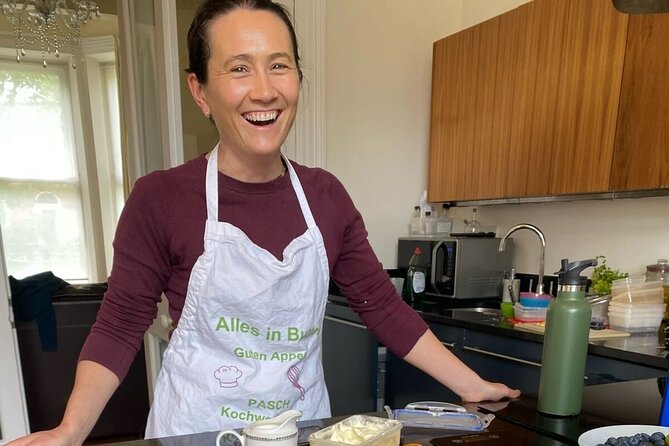
Emily Lavelle is both the host and the teacher. She brings in old family recipes, Irish food customs, and stories about life in Dublin while you work. The teaching is not presented as a formal professional cooking lecture. It is closer to learning in someone’s kitchen, with practical guidance and room for conversation.
That informal style suits people who want a cultural experience along with their food. It may be less suitable if you want a highly technical pastry course, strict classroom timing, or a long list of dishes. The focus is connection, useful tips, and two familiar Irish bakes.
Choosing between Irish scones and Granny’s apple cake
Your main decision is simple: choose traditional Irish scones or Granny’s apple cake. Since you make one recipe during the standard session, think about what you want to learn and eat.
Traditional Irish scones
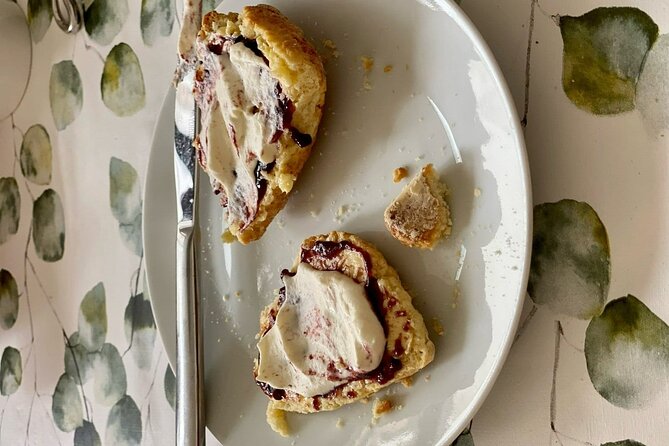
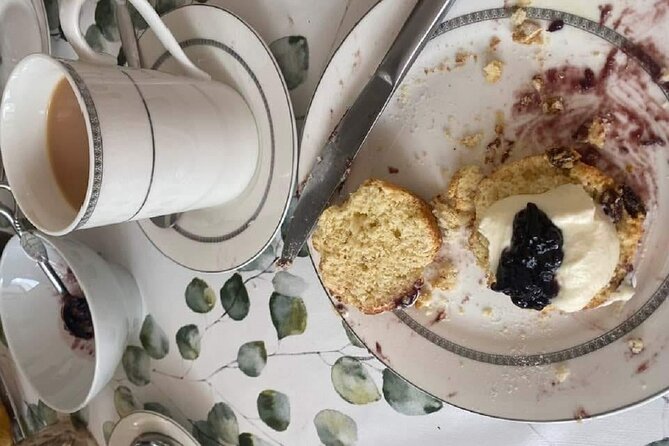
The scones are described as golden, buttery, light, and fluffy. They are served with Irish butter, Irish jam, and fresh cream. This is the choice I would make if you want a classic Irish tea-table treat and a recipe that is easy to picture making at home.
Scones also offer a good lesson in basic baking technique. Small details can affect the final texture, and Emily shares practical tips intended to help you make the recipe succeed later. The class is suitable for non-bakers, so you do not need prior experience to take part.
The finished scones are eaten warm, which is part of their appeal. You are not simply carrying a baked item away in a box. You get to sit down and enjoy what you made, with the traditional accompaniments.
Something completely different for another day:
- Dublin to Cliffs of Moher, including Wild Atlantic Way and Galway
★ 5.0 · 23,331 reviews - From Dublin: Cliffs of Moher, Burren & Galway City Day Tour
★ 4.8 · 18,888 reviews - Dublin: Guinness Storehouse Entry Ticket
★ 4.6 · 16,863 reviews - Dublin to Cliffs of Moher, Burren, Wild Atlantic Way, Galway Tour
★ 5.0 · 12,924 reviews
Granny’s apple cake
The apple cake has chunks of apple with a balanced mix of sugar and spice. It is served with fresh cream, and the recipe is presented as an authentic family-style Irish bake rather than a modern restaurant dessert.
This option may appeal more if you like fruit cakes or want something with a little more character than a plain scone. The family connection also gives the recipe a story. You are learning Granny’s version, not just following a generic recipe printed for tourists.
The apple cake takes time to bake, which creates a natural pause for conversation. You can ask about Irish food, traditions, and family cooking while the cake is in the oven. That break keeps the 90-minute session from feeling like one long sequence of instructions.
Baking with Emily in a group of six or fewer
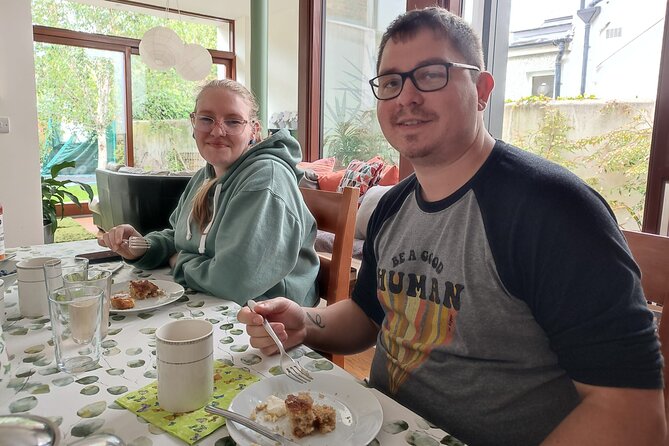
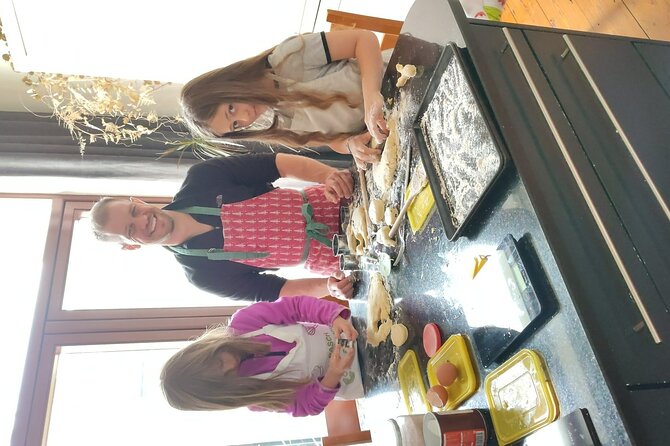
The maximum group size is six people. That is a strong feature for a hands-on activity. You are less likely to feel lost in the back row, and there should be a better chance to ask about ingredients, methods, and substitutions.
A small group also affects the social side of the class. The experience can work well for a family, a couple, or a few friends traveling together. A mother and daughter enjoyed the session as a shared activity, and the class is designed for ages 8 and older. Children can take part, but adults should still consider the child’s interest in baking and conversation before booking.
The minimum booking requirement is two people. If you are traveling alone, you may need another person to book with you, or you may need to confirm that another booking has joined the session. If the minimum is not met and the class is canceled, you are offered another date or experience, or a full refund.
The small-group format is also one reason the cost feels more reasonable. You are paying for direct time with Emily in a private home, not simply for a pre-portioned ingredient kit and a printed card.
Irish food, family recipes, and everyday culture
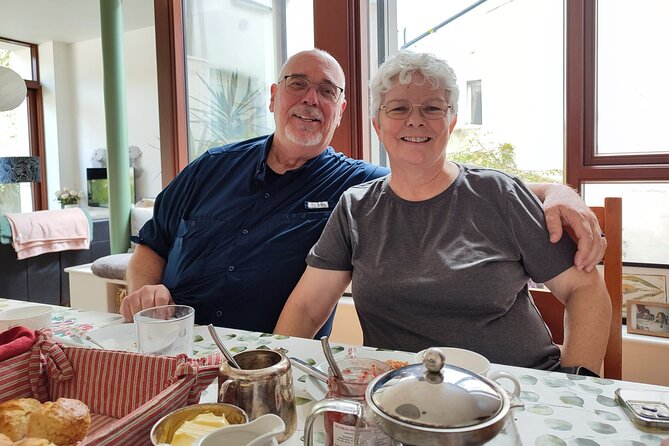
The baking is only half of the class. Emily talks about Irish food and culture as you work, sharing insight into Irish life and heritage. This gives the activity more depth than a recipe demonstration where you watch someone else do everything.
I like this part because food is a practical way to understand a place. Scones, apple cake, soda bread, butter, jam, and cream are not abstract cultural symbols. They are foods connected to homes, family tables, hospitality, and daily routines.
Emily also works as a diet and wellness coach. She offers cooking tips aimed at a healthier and happier lifestyle. You should not expect a nutrition consultation, but this background adds another layer to the lesson. You may come away with ideas for adapting your cooking habits as well as instructions for making the dish.
The tone appears to be warm and conversational. Emily is described as friendly, gracious, fun to talk to, and good at making people feel comfortable. That matters in a private-home experience. If the host were distant or overly formal, the setting could feel awkward. Here, the host’s personality is a central part of the value.
The best part: eating what you made
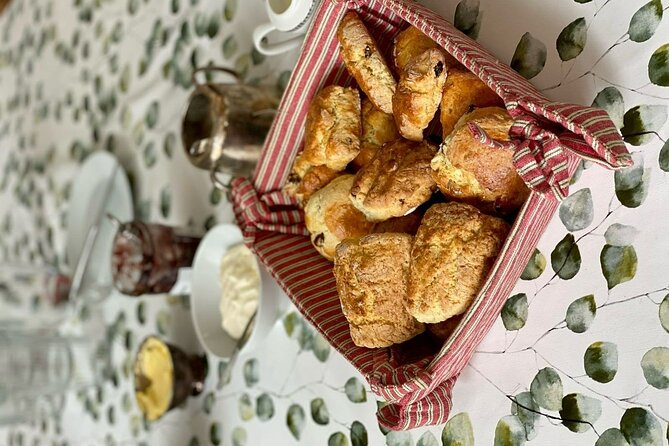
Once your bake is ready, you sit down and eat it warm. Scones come with fresh cream, butter, and jam. Apple cake comes with fresh cream and its spiced apple flavor.
This final stage gives the class a satisfying shape. You start with a welcome, learn the method, wait while the baking happens, and finish with a shared treat. There is no need to rush off immediately after taking the tray from the oven.
You can also take home extra baking. That is useful if you are staying in Dublin for a few more days, traveling with family, or want someone at home to sample the result. Emily sends the recipes after the experience, so you are not dependent on memory or a hurried phone photograph of the page.
The recipe follow-up is one of the strongest practical features. A food experience has limited value if you enjoy it once and cannot recreate it. Here, the lesson can continue after your trip, especially if you buy ingredients at home and try the recipe again.
Is $102.41 a fair price?
At $102.41 per person, this is a premium food activity for 90 minutes. You should not book it if your only goal is to eat a cheap pastry. Dublin cafés can handle that job for much less.
The value comes from the whole package: a small group, hands-on baking, ingredients, a home visit, tea or coffee, cultural conversation, a warm serving of your finished dish, and recipes for later. You are also paying for Emily’s preparation and personal attention.
For a family, the cost can add up quickly, especially with several adults and children. Still, the experience may be worth it if you want one memorable activity rather than another standard sightseeing stop. A perfect rating from 28 reviews and a 100 percent recommendation rate suggest that the personal hosting is delivering what people hope for.
I would compare the price with other guided food activities in Dublin, but I would not compare it directly with a bakery purchase. This is a class and a cultural visit, not simply a dessert.
Dietary needs, age limits, and practical comfort
Dietary requirements can be catered for if you tell Emily in advance. The supplied details do not list specific dietary options, so contact the provider before booking if you need substitutions or have an allergy.
The class is suitable for ages 8 and older. It is a good fit for families because the activity gives children something active to do while adults can enjoy the cultural side. You will want to consider the child’s comfort in a small home setting, since the experience depends on participation and conversation rather than fast entertainment.
Service animals are allowed. The class is offered in English, and confirmation is provided at the time of booking. Since the experience takes place in a private home, anyone with specific mobility or access concerns should ask for details before reserving. The information supplied does not give a full accessibility description.
Cancellation is free up to 24 hours before the local start time for a full refund. Cancellations or changes made less than 24 hours before the class are not accepted for a refund.
Who should book this Dublin baking class?
I would recommend it most strongly to:
- Families with children aged 8 and older
- Couples who prefer local food experiences to large group tours
- Solo visitors who can meet the two-person minimum
- People who enjoy talking with a local host
- Beginner bakers who want practical instruction
- Anyone who wants a recipe to recreate after returning home
It may not be the right pick if you dislike home-based activities, need a very fast schedule, or want to make several different dishes. The choice of one bake is a real limitation for anyone hoping to learn both recipes.
The class also depends on enjoying the social side. You will spend time chatting about Irish life and food, not just measuring flour. That is a benefit for curious visitors, but less useful for someone who wants a silent, highly structured workshop.
Should you book Emily Lavelle’s class?
Book it if you want a small, personal Dublin experience built around food, conversation, and a warm host. The home setting, family recipes, and chance to eat your own fresh scones or apple cake make this more memorable than a standard bakery stop.
Skip it if the $102.41 price feels high for 90 minutes or if you need to make both recipes. For everyone else, especially families, couples, and visitors who enjoy meeting local people, this is a strong choice. Pick scones for a classic Irish tea treat, choose apple cake for a family recipe with fruit and spice, and tell Emily about dietary needs before you arrive.
FAQ
Where does the Irish baking class take place?
The class takes place in Emily Lavelle’s Victorian Dublin home on Morehampton Road in the Donnybrook area. The activity ends back at the meeting point.
What time does the class begin?
The class starts at 10:30 am.
How long does the experience last?
The baking class lasts approximately 1 hour and 30 minutes.
What can I bake during the class?
You can choose between traditional Irish scones and Granny’s apple cake.
Is the class suitable for children?
Yes. The experience is suitable for ages 8 and older and is described as suitable for families.
Can dietary requirements be accommodated?
Yes, dietary requirements can be catered for if you notify Emily in advance.
How many people can join the class?
The experience requires a minimum of two people and has a maximum group size of six travelers.
Newest in Dublin
- Wicklow Mountains Private Day Tour including Glendalough★ 5.0 · 7 reviews
- Wicklow: Private Day Tour from Dublin★ 5.0 · 5 reviews
- From Dublin: Powerscourt House, Guinness Lake & Glendalough★ 5.0 · 2 reviews
- Ultimate Dublin Food Tour★ 4.5 · 2 reviews
- Women Of Ireland: Trailblazers & Pioneers★ 5.0 · 4 reviews
- Wicklow tour of Glendalough★ 4.5 · 8 reviews
- Wicklow Mountains & Glendalough Luxury Private Day Tour★ 5.0 · 23 reviews
- Whiskey Tasting Tour of Dublin★ 5.0 · 117 reviews
Workshops, compared.

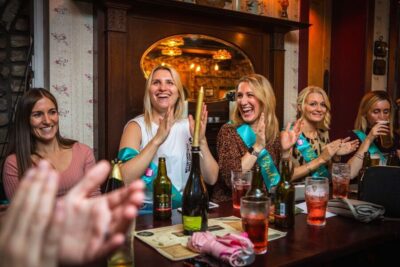

Roe and Co Distillery Cocktail Workshop Experience
Read our review →
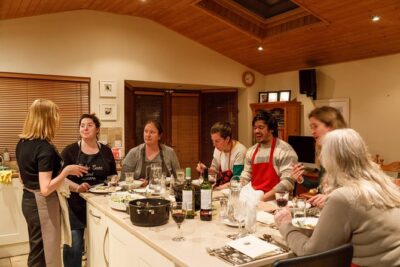
Irish Craic & Cuisine: Cooking Class & Dinner in Central Dublin
Read our review →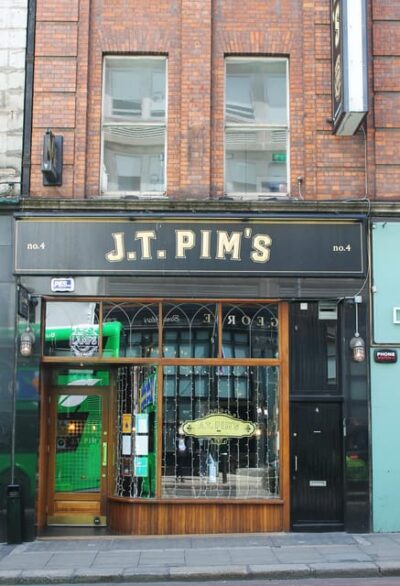


Jameson Distillery Whiskey Cocktail-Making Class
Read our review →Browse the lists this tour appears in