
Reviewed · IRELAND
Kildare: Irish National Stud & Gardens
Meet Ireland’s finest four-legged athletes. The Irish National Stud and Gardens gives you a rare look at an active thoroughbred breeding farm, plus two very different gardens and a clever interactive racehorse exhibit. I especially like the chance to see stallions, mares, and foals in their paddocks, and the well-run public tour adds useful detail to what could otherwise be just a pleasant walk. The main thing to consider is timing: from October onward, the stud has fewer horses on site and public tour times are reduced.
Set on 850 acres in County Kildare, about 40 minutes from Dublin, this is an easy day out for horse lovers, garden fans, families, and anyone curious about one of Ireland’s best-known racing institutions. The $22 admission is good value if you allow enough time for the tour, gardens, Living Legends horses, and the Irish Racehorse Experience. It is less appealing if you arrive late and rush through everything.
In This Review
- Key points to know before you go
- Why the Irish National Stud is worth your day
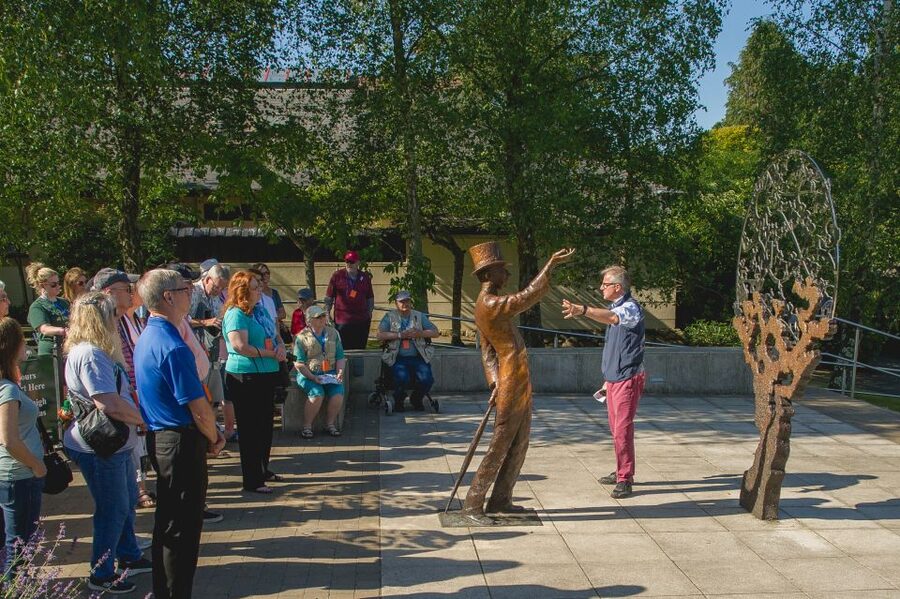
- Starting with the public tour
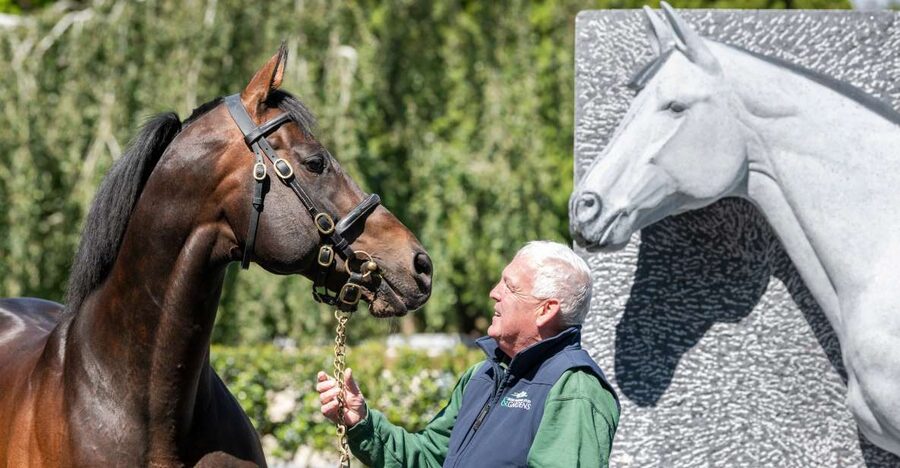
- Stallions, mares, and foals in their own setting
- Meeting the Living Legends
- The Japanese Gardens and the Life of Man path
- St Fiachra’s Garden and Ireland’s native setting
- The Irish Racehorse Experience
- How long to stay and how to plan the visit
- Is the $22 admission good value?
- Who will enjoy this visit most?
- Should you book the Irish National Stud and Gardens?
- FAQ
- Where is the Irish National Stud and Gardens?
- How much does admission cost?
- What does the ticket include?
- Are guided tours included?
- What are the tour times from October?
- What are the opening hours for the Irish Racehorse Experience?
- Can children use the Irish Racehorse Experience?
- Is the Irish National Stud and Gardens wheelchair accessible?
Key points to know before you go
- The public tour gets you close to the working stud: You’ll see stallions, protective mares, and young foals while learning how the farm operates.
- The Japanese Gardens follow the Life of Man: This carefully planned garden traces a symbolic journey from birth to death and beyond.
- Living Legends includes famous racehorses: Retired stars such as Hurricane Fly, Beef, Salmon, and Faugheen may be part of the visit.
- The Irish Racehorse Experience is hands-on: You receive a horse box, select a yearling at auction, and follow its imagined racing career.
- Tour times change with the season: Summer offers the most public tours, while October schedules are limited to 11 a.m. and 2 p.m.
- Allow extra time for the interactive exhibit: The Racehorse Experience is open from 11 a.m. to 4 p.m., and you should give it roughly 40 minutes if you want to see it properly.
Why the Irish National Stud is worth your day
The Irish National Stud is not simply a museum with a few horses behind a fence. It is one of the few thoroughbred breeding farms open to the public, so you get a sense of the real work behind the racing industry. The visit connects breeding, training, racing, retirement, money, and tradition in one place.
I like that the experience does not assume you already understand horse racing. The public tour explains how the stud works and how it earns income, then takes you through the areas where the horses live. That practical side matters. You are not only admiring beautiful animals. You are learning why particular bloodlines matter and how a potential future stallion is assessed.
The setting helps, too. The farm covers broad green grounds, and the gardens give you a change of pace after the horse areas. You can spend part of the day watching foals play, then slow down among trees, paths, water, and stonework. It feels like several attractions in one ticket.
The experience has a strong reputation, with an overall rating of 4.6 from 58 reviews. The most consistent praise goes to the public guides, the Japanese Gardens, and the care given to the retired horses. Amanda and Sue are two guides singled out for making the visit especially clear and enjoyable.
Also on the shortlist in Ireland:
- Dublin to Cliffs of Moher, including Wild Atlantic Way and Galway
★ 5.0 · 23,331 reviews - From Dublin: Cliffs of Moher, Burren & Galway City Day Tour
★ 4.8 · 18,888 reviews - Dublin: Guinness Storehouse Entry Ticket
★ 4.6 · 16,863 reviews
Starting with the public tour
The public tour is the best way to give your visit structure. Tour times are generally 10:30 a.m., noon, 2 p.m., and 4 p.m. During the summer months, additional departures may run at 1 p.m. and 3 p.m. From October, the schedule drops to 11 a.m. and 2 p.m.
I would plan your arrival around a tour rather than treating it as an afterthought. A guided visit lasted just over an hour for one ticket holder, giving enough time to explain the stud and see the horse areas without feeling hurried. Check the current schedule before setting out, since the times change during the year.
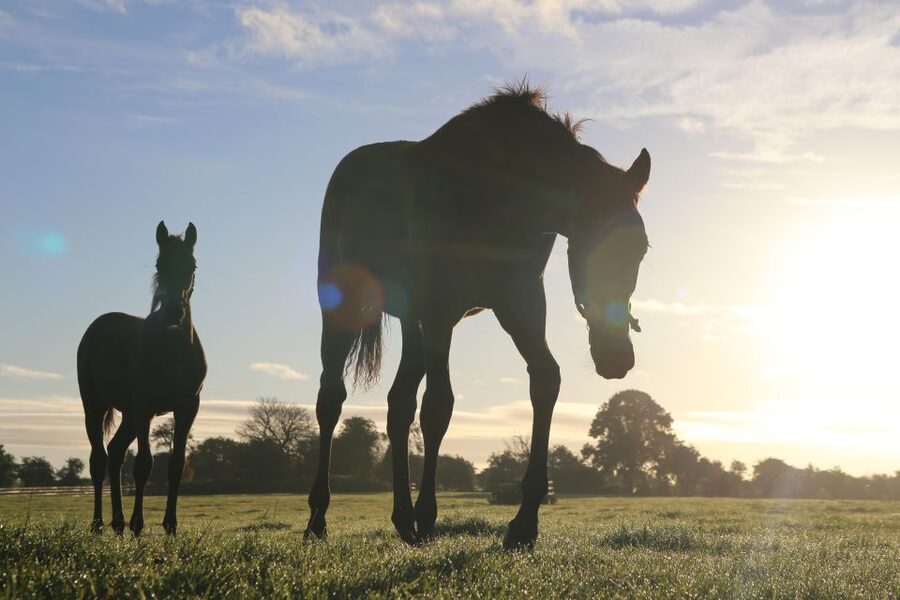
The tour takes you through the stallion area and then toward the mares and foals. Stallions are the impressive headline act, but the mares and young horses provide some of the most appealing sights. You may see foals at play beside their mothers, while the mares remain watchful and protective.
The guide also explains the business side of the stud. You learn how a breeding operation generates income and what goes into choosing a possible future stallion. That detail gives the visit more substance than a basic animal encounter. You begin to understand why breeding decisions can shape the future of racing.
Amanda received particularly strong praise for her talk about the horses and the stud. Sue was also singled out as an excellent guide. If one of them is leading your tour, expect a lively and informed presentation, though the exact guide cannot be guaranteed.
Stallions, mares, and foals in their own setting
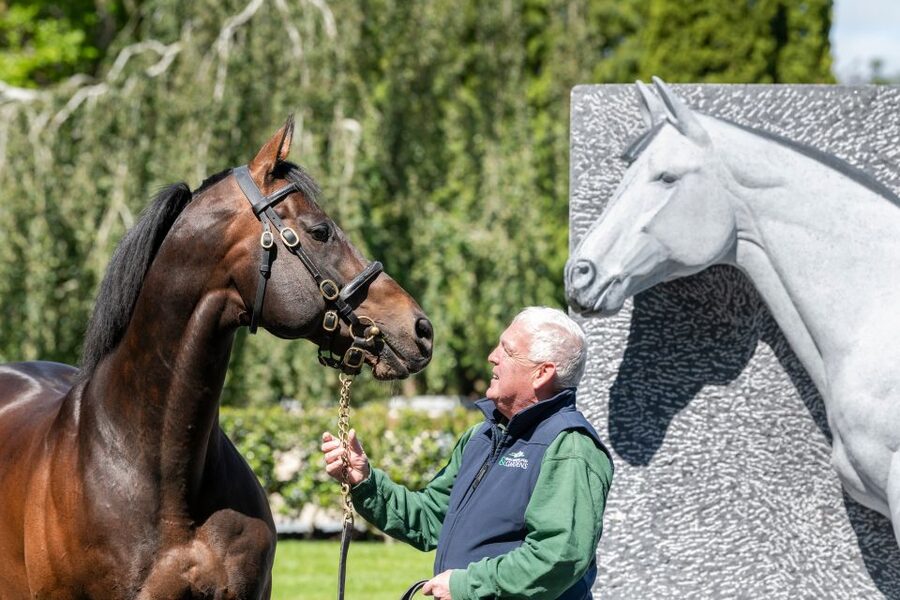
The horse viewing is the emotional center of the visit. You are seeing animals bred for speed, balance, and endurance, but the setting also shows their quieter daily life. Stallions occupy their own areas, while mares and foals share a more protective environment.
The sight of a young foal moving around its mother is a simple pleasure, but it also puts the breeding operation in context. This is where the next generation begins. The farm’s polished reputation becomes more understandable when you see the care given to the horses and the order of the facilities.
You should keep your expectations sensible. This is a working stud, not a guaranteed horse show. The animals are not there to perform on demand, and the exact horses visible can vary. Still, the chance to see the horses in paddocks and breeding areas is the point of coming here.
The visit is particularly well suited to families, but younger children may get more from the gardens and the racehorse exhibit than from the longer explanations about breeding. The Irish Racehorse Experience is not available to children under seven unless they are accompanied by an adult, so check that arrangement if you are visiting with a young group.
Meeting the Living Legends
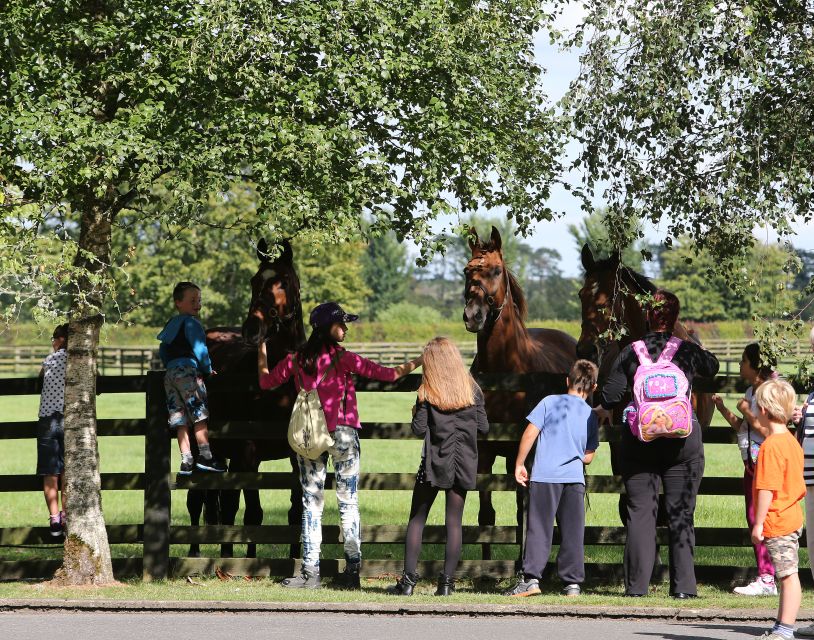
The Living Legends area adds a personal connection to racing. Retired champions including Hurricane Fly, Beef, Salmon, and Faugheen are associated with this part of the stud. These are not just names on a wall. You can see retired racehorses grazing in the paddock and learn what happens after their competitive careers end.
The final Living Legend room has floor-to-ceiling windows facing the paddock. That view gives the room a calm, thoughtful quality. You are looking at famous athletes in retirement, not at horses being prepared for their next race.
The exhibit also explains the wider lives of famous horses and people connected with racing around the world. This is useful for anyone who knows the names but not the stories behind them. It also raises a good question: what happens to a racehorse when the crowds, betting, and competition are over?
I appreciate this section because it treats retirement as part of the horse’s life, not as an inconvenient footnote. The animals appear well cared for, and the paddock view gives you time to watch them at their own pace.
Something completely different for another day:
- Dublin to Cliffs of Moher, Burren, Wild Atlantic Way, Galway Tour
★ 5.0 · 12,924 reviews - Dublin to Belfast Black Cab, Dunluce Castle and Giant’s Causeway
★ 5.0 · 7,954 reviews - Kilkenny, Wicklow Mountains & Glendalough Day Tour from Dublin
★ 5.0 · 7,897 reviews - From Dublin: Wicklow Mountains, Glendalough & Kilkenny Tour
★ 4.8 · 6,235 reviews
The Japanese Gardens and the Life of Man path
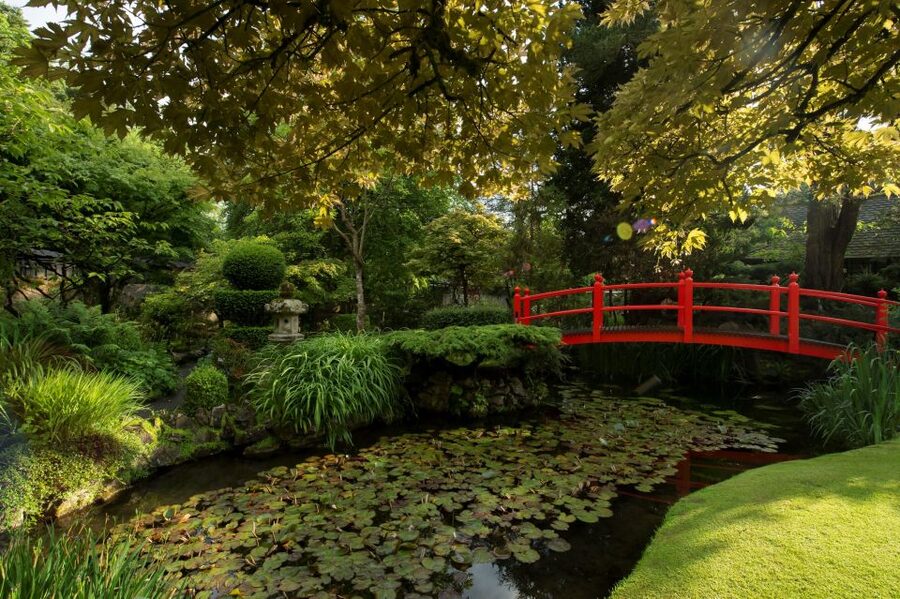
The Japanese Gardens are one of the strongest reasons to allow plenty of time. They offer a peaceful contrast to the energy of the horse areas, with a path built around the stages of human life. The route traces the passage of a soul from birth through death and beyond.
You do not need a detailed knowledge of Japanese garden design to enjoy it. The appeal is in the pace. Paths, planting, water, and changes in viewpoint encourage you to slow down rather than race from one feature to the next.
The gardens are carefully maintained, and their calm mood makes them a good place to pause after the public tour. On a rainy day, the experience may be less comfortable, but wet weather does not remove the garden’s basic charm. Bring suitable clothing and give yourself enough time to walk without hurrying.
One practical tip is to avoid squeezing the Japanese Gardens between a late arrival and a closing time. They are easy to underestimate because they look like a short walk on the map. In practice, the meaning of the garden comes from following the route at a relaxed pace.
St Fiachra’s Garden and Ireland’s native setting
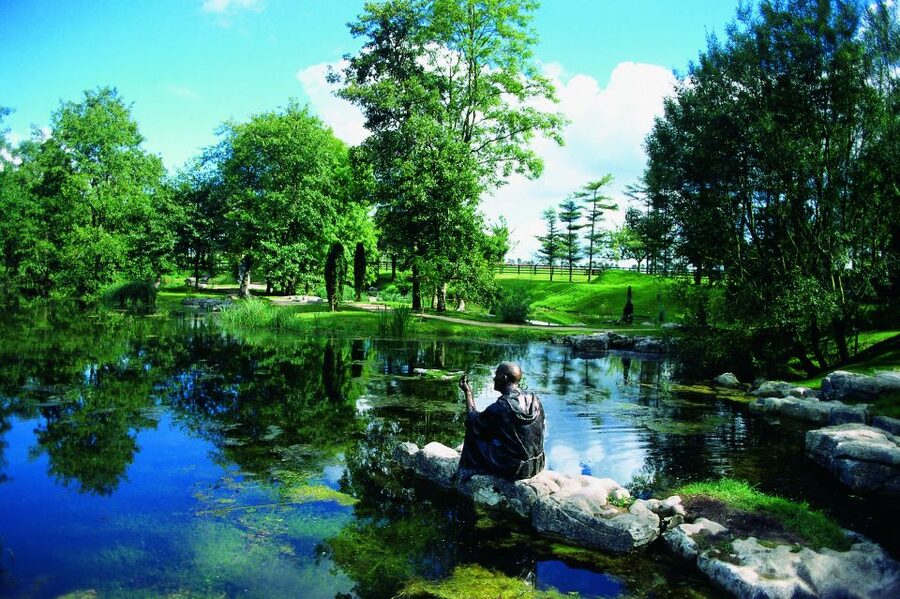
St Fiachra’s Garden offers a different idea of nature. The Japanese Gardens are shaped around a symbolic journey, while St Fiachra’s Garden represents the power of the Irish setting and includes native species and Irish wildlife.
This is a good second garden because it does not feel like a repeat of the first. You move from a carefully composed Japanese design to a garden rooted in Irish identity. The contrast makes both visits more interesting.
I would not rush through St Fiachra’s Garden simply because the Japanese Gardens receive more attention. It gives you a clearer sense of the local setting and provides another chance to enjoy the open grounds. The two gardens help turn a horse visit into a full day outdoors.
The Irish Racehorse Experience
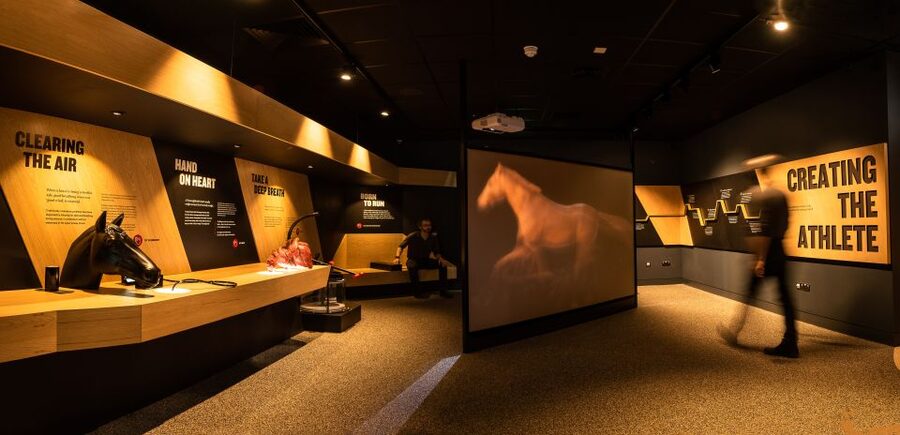
The award-winning Irish Racehorse Experience is the most playful part of the visit. It takes you from the birth of a racehorse to retirement, using a series of interactive rooms and activities.
You receive a horse box that lets you play the role of a racehorse owner. After learning about foaling, early development, and thoroughbred history, you enter an auction and try to buy an unbroken yearling. From there, the experience follows training, racecourses, jockeys, and the anatomy and physiology of the horse.
The auction element is a smart touch. It shows that owning a racehorse is not just about choosing the fastest-looking animal. You are making a decision before the horse has proved itself on the track, which helps explain the uncertainty and financial risk involved in the real sport.
The later rooms cover fashion, betting, and race commentary. You then watch your chosen horse compete on race day and can take part in a simulated ride. The simulation shows how your investment performs in a race, bringing together the earlier lessons in a lighthearted finish.
Allow about 40 minutes for this section. One person had to leave the exhibit early to make a scheduled tour, which is an avoidable problem if you plan your order in advance. The exhibit operates from 11 a.m. to 4 p.m., so it is not a good final-minute activity if you arrive late in the afternoon.
Children under seven cannot use the experience unless accompanied by an adult. Older children will likely enjoy the ownership game and simulated race, while adults may appreciate the explanation of breeding and racing economics.
How long to stay and how to plan the visit
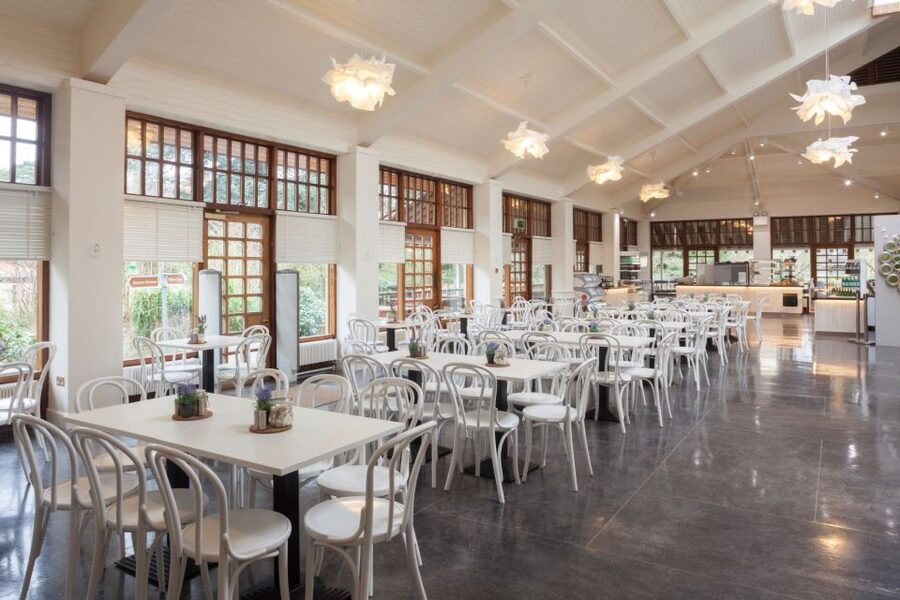
The ticket is described as a one-day experience, and I would treat it as a half-day at minimum. A public tour can take just over an hour, the Racehorse Experience needs roughly 40 minutes, and both gardens deserve unhurried walks. Add time for the Living Legends paddock and a possible meal, and you have an easy full-day outing.
A useful order is:
- Arrive before the Irish Racehorse Experience closes.
- Allow about 40 minutes for the interactive exhibit.
- Join a public tour.
- Visit the stallions, mares, and foals.
- See the Living Legends horses.
- Walk through the Japanese Gardens and St Fiachra’s Garden.
- Stop for lunch if you want to make a full day of it.
You can reverse the first two steps if the next tour is starting soon. The key is to check both the public tour schedule and the Racehorse Experience hours before you arrive.
The last entry is at 5 p.m. That sounds generous, but it can disappear quickly if you want to see everything. From October onward, fewer horses are on the grounds and the stud begins to wind down, so February through September is the better period for a complete visit.
Is the $22 admission good value?
At $22 per person, the ticket offers more than a simple garden admission. You get entry to the stud, both gardens, the public tour, and the Irish Racehorse Experience. If you use all of those parts, the price feels fair for a full day near Dublin.
The value depends on your pace. Someone who arrives shortly before the last entry and sees only a garden will not get the same return. Someone who joins a tour, watches the horses, visits the Living Legends, completes the interactive exhibit, and walks both gardens is receiving several hours of varied activity.
The ticket also includes a live tour guide, which matters here. The breeding operation is not always self-explanatory, and the guide’s explanation of income, bloodlines, and future stallions gives the horse areas real meaning.
Free cancellation up to 24 hours before the visit and a reserve-now, pay-later option make it easier to fit the attraction into a changing Ireland itinerary. Those policies are useful, but the bigger value comes from choosing the right season and allowing enough time.
Who will enjoy this visit most?
I would recommend the Irish National Stud and Gardens to:
- Horse lovers and racing fans who want to see thoroughbreds beyond a racecourse.
- Families with children old enough to enjoy the interactive racehorse exhibit.
- Garden lovers looking for something more unusual than a standard formal garden.
- Visitors based in Dublin who want an easy County Kildare day out.
- Anyone interested in how breeding, training, betting, and racing connect.
It may be less suitable if you want a tightly timed attraction with constant activity. The gardens reward a slow walk, and the horses may be quietly grazing rather than moving around for your camera.
The site is wheelchair accessible, which makes the combination of gardens, exhibits, and horse viewing more practical for many visitors. You should still check the current arrangements if you have specific mobility needs.
Should you book the Irish National Stud and Gardens?
Book it if you want an experience that combines working horses, gardens, racing culture, and a little good-natured competition. The best parts are the public tour, the retired champions at Living Legends, the Japanese Gardens, and the chance to see mares with foals in a real breeding setting.
Plan around the tour times, arrive early enough for the Irish Racehorse Experience, and visit between February and September if seeing a fuller selection of horses matters to you. If you do that, the $22 admission can easily fill a memorable day outside Dublin.
FAQ
Where is the Irish National Stud and Gardens?
It is in County Kildare, Ireland, about 40 minutes outside Dublin.
How much does admission cost?
The ticket price is $22 per person.
What does the ticket include?
Admission includes the stud, the Japanese Gardens, St Fiachra’s Garden, the Irish Racehorse Experience, and a public tour.
Are guided tours included?
Yes. A live guide leads the public tour, with times generally at 10:30 a.m., noon, 2 p.m., and 4 p.m. Summer may include additional tours at 1 p.m. and 3 p.m.
What are the tour times from October?
From October, public tours run at 11 a.m. and 2 p.m.
What are the opening hours for the Irish Racehorse Experience?
The Irish Racehorse Experience is open from 11 a.m. to 4 p.m.
Can children use the Irish Racehorse Experience?
Children under seven cannot use it unless accompanied by an adult.
Is the Irish National Stud and Gardens wheelchair accessible?
Yes, the experience is wheelchair accessible.
Newest in Ireland
- Wicklow Mountains Private Day Tour including Glendalough★ 5.0 · 7 reviews
- Wicklow: Private Day Tour from Dublin★ 5.0 · 5 reviews
- Westport: Beach and Countryside Guided Horse Ride★ 4.8 · 6 reviews
- Westport: Fun-filled walking tour of a beautiful town★ 5.0 · 7 reviews
- Waterford Treasures: Walking Tour of the Viking Triangle★ 4.7 · 43 reviews
- From Dublin: Powerscourt House, Guinness Lake & Glendalough★ 5.0 · 2 reviews
- Waterford Treasures: King of the Vikings★ 5.0 · 2 reviews
- Waterford: Mount Congreve Gardens Entry Ticket★ 5.0 · 7 reviews