
Reviewed · FOOD & DRINK
Oyster Farm and Tasting Experience
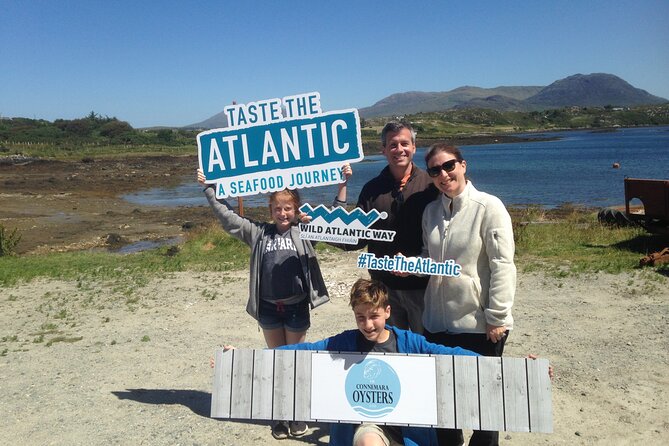
Taste the Atlantic at its source. This Clifden experience takes you to a working oyster farm near Connemara National Park, where you follow oysters from seed to plate, meet farmers such as Sinead and David, and see the work behind every shell. I like the close look at real farm tasks, including grading, packing, and turning oyster bags in the bay. I also like the mix of food, scenery, and hands-on learning, especially for families with children aged six and up.
The main consideration is timing. The experience lasts about 1 hour and 15 minutes, begins at 11:00 a.m., and depends on suitable weather. You need to cancel at least 24 hours before the start time for a full refund, and a last-minute change may leave you out of luck.
In This Review
- At a glance
- Why this oyster farm belongs on a Connemara itinerary
- Meeting the people behind the oysters
- Seeing the process from seed to plate
- The shucking lesson and your first taste
- Why the views matter
- A practical stop for families
- What the $54.06 price includes in value
- Fitting the visit beside Kylemore Abbey
- Booking, weather, and cancellation details
- Who will enjoy this experience most
- Should you book the Clifden oyster farm visit?
- FAQ
- Where does the oyster farm experience start?
- What time does the experience begin?
- How long does the oyster farm visit last?
- Where does the activity end?
- Is the experience offered in English?
- Can children take part?
- Will I learn how oysters are farmed?
- Can I shuck my own oyster?
- What happens if the weather is poor?
At a glance

- Working farm access: See oysters being graded, packed, and managed in the bay.
- From seed to plate: Learn how oysters are raised, prepared, and served.
- Hands-on tasting: Watch a shucking demonstration and try shucking your own oyster.
- Wild Connemara setting: The farm sits at the foot of Connemara National Park, about 15 minutes from Kylemore Abbey.
- Family-friendly timing: The short format suits children aged six and up, including on a poor-weather day when conditions still allow the visit.
- Small, manageable group: The maximum group size is 30 people, with English-language guiding.
Why this oyster farm belongs on a Connemara itinerary
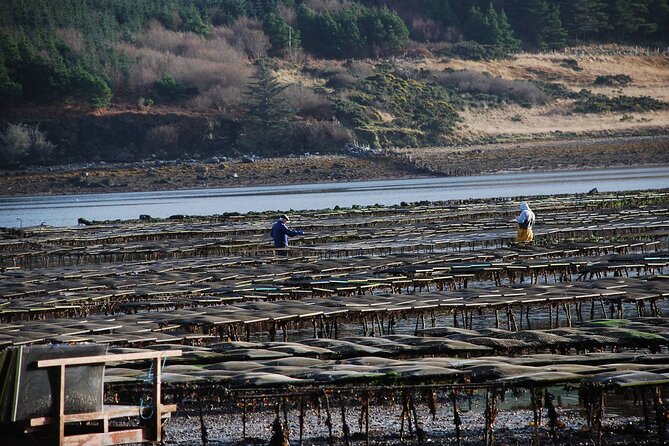
Clifden is a natural base for exploring western County Galway, but many sightseeing stops involve ruins, viewpoints, and scenic drives. This visit gives you something different: a look at a working coastal business. Instead of simply admiring the Atlantic from the roadside, you learn how people make a living from its waters.
That difference matters. Oyster farming is easy to misunderstand from a restaurant table. Here, you see that the process involves regular handling, sorting, packing, and careful work in the bay. The farm team may be grading oysters, preparing orders, or turning bags during your visit, so the experience has a practical feel rather than a staged museum display.
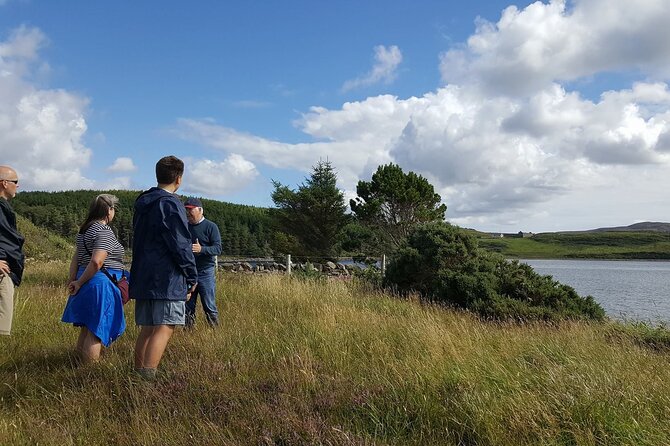
The setting adds plenty. You are at the foot of Connemara National Park, with broad views toward Ireland’s wild Atlantic coast. The scenery is not just decoration. It helps explain why the farm feels tied to place, weather, tides, and the condition of the water.
The farm is also about 15 minutes by car from Kylemore Abbey, making it easy to pair the two in one day. You will need to plan the order carefully around the 11:00 a.m. start, but the locations fit well into a Connemara outing.
More Food Tours in Galway
- Walking and Tasting Tour of Galway City
★ 5.0 · 283 reviews - Galway: Food and Culture Walking Tour with Tastings
★ 4.7 · 127 reviews - Galway Food Tour
★ 4.9 · 70 reviews
Meeting the people behind the oysters
The human side of the experience is one of its strongest points. Sinead leads some visits and is especially good at explaining the process in clear, approachable terms. David also brings strong personal enthusiasm to the farm and its work. That passion matters because oyster farming can sound technical until someone connects it to daily routines and real decisions.
You will hear about the full route from seed to plate. That means the talk is not limited to tasting notes. You get a sense of how oysters are raised, handled, sorted, and prepared before they reach a plate.
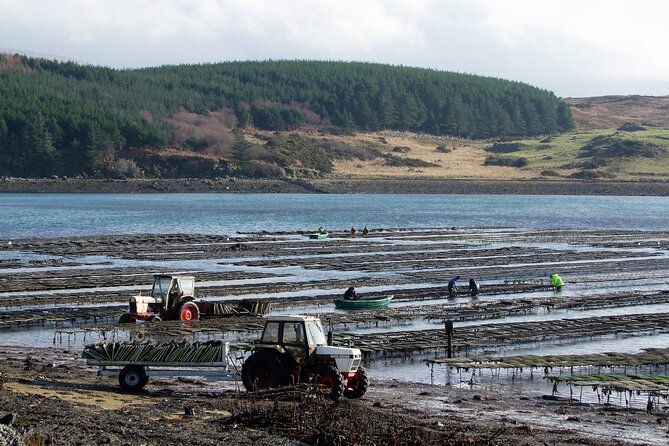
The farm team may be working while you are there. You could see grading, packing, or turning bags in the bay. Those tasks show the physical side of oyster farming and help you understand why the final product costs more than an ordinary seafood snack.
I appreciate that the experience does not treat farming as a backdrop for lunch. The farm work is the main subject, and the tasting follows as a natural reward.
Seeing the process from seed to plate
The tour begins with an explanation of oyster farming and the stages oysters pass through before they are ready to eat. The exact order and amount of time spent on each task may vary with the farm’s schedule, but the aim is clear: you follow the product through its life at the farm.
Grading is important because oysters must be sorted and managed as they grow. Packing shows the point at which farm work becomes preparation for sale. Turning bags in the bay gives you a sense of the repeated physical effort involved in maintaining the stock.
This is useful context for first-time oyster eaters. You are not simply handed a shell and told to enjoy it. You see the work that comes before the plate, which gives the tasting more meaning.
The farm also works with nature rather than trying to overpower it. That idea came through strongly in the experience, and it is worth paying attention to. Oyster farming depends on the coastal environment, so the visit offers a basic lesson in how food production can be shaped by tides, water, weather, and local conditions.
The shucking lesson and your first taste
After the farm tour, the group receives a demonstration of how to shuck an oyster. Shucking means opening the shell safely and cleanly, and watching first is a good idea. If you feel adventurous, you can try shucking your own oyster.
That hands-on option makes this more memorable than a standard tasting. It also gives you respect for the skill involved. An oyster may look simple on the plate, but opening it without damaging the meat takes care.
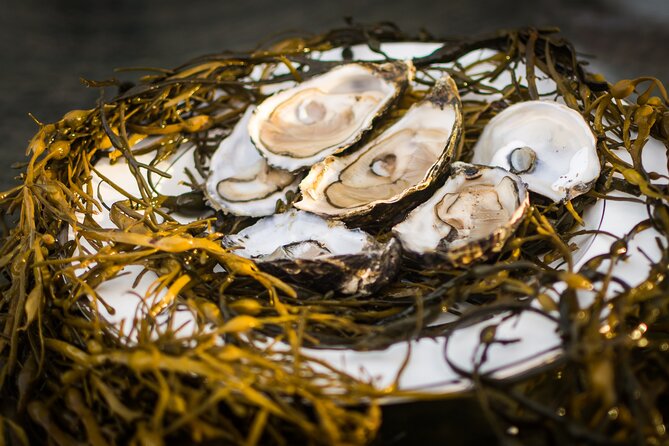
The first oyster can be a surprise. The tasting notes describe an initial explosion of flavor, followed by a softer understanding as your palate adjusts. The oyster’s character has been described as sweet, creamy, and lightly earthy.
If you are new to oysters, do not judge the experience on the first bite alone. The flavor can seem strong or unfamiliar at first. By the second and third oyster, you may notice more of the sweetness and creaminess. Lemon helps if you prefer a sharper finish, and it was specifically praised as a useful addition for first-time tasters.
You may receive around five or six oysters during the tasting, though the exact amount is not guaranteed in the supplied details. That is enough to compare the changing impression from the first shell to the later ones without turning the visit into a long meal.
More farm visits in Galway:
- Sheepdog herding demo on working sheep farm. Galway. Guided.
★ 4.8 · 25 reviews - Connemara Sheep Farm experience & Kylemore Abbey by Lux Limousine
★ 5.0 · 7 reviews - Abalone farm tour and tasting with coastal seaweed walk. Guided. 2 hours
★ 5.0 · 4 reviews - Visit traditional working sheep farm with sheepdog demo. Galway.
★ 5.0 · 75 reviews
Why the views matter
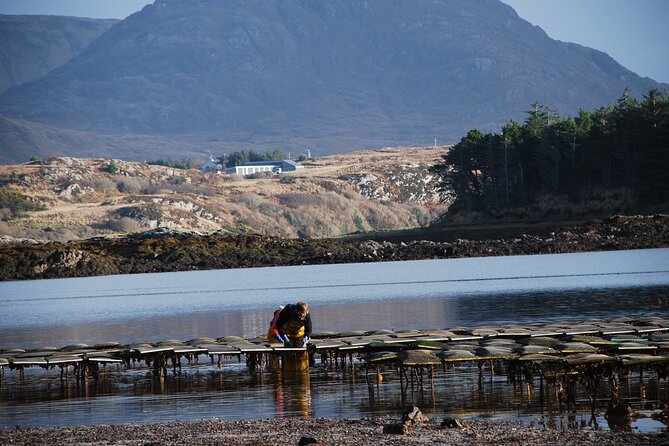
The farm sits in a magnificent coastal setting at the foot of Connemara National Park. You get the kind of open Atlantic scenery that makes western Ireland special: a strong sense of space, exposed coastline, and weather that can change the mood of the whole place.
The setting also keeps the food connected to its source. Eating an oyster while looking across the waters where it was farmed feels more meaningful than ordering the same item in a city restaurant. You understand the link between place, work, and taste.
Do not expect the visit to replace a full scenic tour of Connemara. At roughly 75 minutes, it is a focused stop rather than a half-day outing. The value comes from combining a working farm, a tasting, and a coastal setting in a compact format.
Good weather will make the outdoor parts more pleasant, but the activity is also described as a useful option for families on a poor-weather day, provided the farm can operate safely. Because weather can affect the visit, keep some flexibility in your schedule.
A practical stop for families
Children aged six and older can take part, making this a useful family activity. The short duration helps. You get a real sense of the farm without asking younger children to concentrate through a long lecture or extended meal.
The combination of movement, tools, shells, farm work, and tasting gives children several ways to stay interested. The shucking demonstration adds a hands-on element, while the coastal location offers a change from standard sightseeing.
That said, oysters are an allergen and not every child will want to taste one. The activity still has value for a child who prefers watching, asking questions, or seeing how the farm operates. You should consider your family’s comfort with seafood before booking.
Most people can participate, and service animals are allowed. The tour is offered in English. The maximum group size is 30, so the experience can be shared with a fairly large group, though it remains more personal than a large coach excursion.
What the $54.06 price includes in value
At $54.06 per person, this is not the cheapest food stop in County Galway. You are paying for more than the oysters themselves. The price covers access to a working farm, a guided explanation of the production process, a shucking demonstration, the chance to shuck your own oyster, and a tasting in a striking coastal setting.
The value is strongest if you are curious about where food comes from or if you want an activity that feels specific to Connemara. You are not just sampling seafood. You are meeting the people who farm it and seeing the tasks that support the final product.
The price is less appealing if you only want a large seafood meal. This is a short educational visit, not a full lunch, and its purpose is learning as much as eating. If you dislike oysters or already know you will not taste them, much of the food value disappears, although the farm tour and scenery remain.
For a family, the cost can add up quickly. Still, a family that enjoys unusual local experiences may find it worthwhile because the visit works for different ages and interests. One person can focus on farming, another on scenery, and another on the tasting.
The activity is often booked about 34 days ahead on average. That suggests you should not leave it until the last morning of a busy Connemara trip, especially if your dates are fixed.
Fitting the visit beside Kylemore Abbey
The farm is about a 15-minute drive from Kylemore Abbey, one of the area’s best-known stops. That makes the oyster visit easy to connect with an abbey visit, a drive through Connemara National Park, or both.
Because the farm starts at 11:00 a.m., check your route before setting off. You will want to allow enough time for the drive to Dawros Beg, County Galway, H91 AC6K. The activity ends back at the same meeting point, so you are responsible for continuing to your next stop afterward.
The compact format is useful when you have a full day planned. You can spend the morning at the farm, then continue toward Kylemore Abbey or another Connemara stop. Just remember that outdoor conditions may affect the schedule.
Booking, weather, and cancellation details
Confirmation is provided when you book. The meeting point is Dawros Beg, County Galway, and the start time is 11:00 a.m.
You can cancel for a full refund if you do so at least 24 hours before the local start time. Cancellations or changes made inside that 24-hour window are not accepted for a refund, so do not wait until the morning of the visit if your plans are uncertain.
The experience requires good weather. If the farm cancels because of poor conditions, you will be offered another date or a full refund. The same applies if the minimum number of participants is not reached and the activity cannot operate.
One important practical lesson is to check your phone access before the cancellation deadline. If you are coming from another country and have no cell service, last-minute changes can be difficult to manage. That is not a reason to avoid the experience, but it is a reason to make your plans carefully.
Who will enjoy this experience most
I would recommend this visit to you if you like food with a sense of place. It suits people who want to meet local producers, understand an unfamiliar farming method, and taste something directly connected to the coast.
It also works well for first-time oyster eaters. The tasting is structured, the guide explains what to expect, and lemon is available as a helpful way to adjust the flavor. You can try shucking your own oyster, but you are not required to take the hands-on option.
Families with children aged six and up are another good match, especially if you want a short activity that is more memorable than another viewpoint. The farm setting and practical work give children something concrete to watch.
You may want to skip it if you have a shellfish allergy, strongly dislike seafood, or want a long meal with many courses. You should also think twice if your schedule cannot tolerate a weather-related change.
Should you book the Clifden oyster farm visit?
Book it if you want a short, local experience that combines working agriculture, Atlantic scenery, and a real tasting. The strongest reasons are the chance to see farm tasks up close, learn from Sinead or David, and taste oysters in the place where they are raised.
I would treat it as a special Connemara stop rather than a full meal or major attraction. At $54.06, the price makes sense when you value the explanation, access, and setting as much as the oysters. For curious families, food lovers, and first-time tasters, it offers a genuine connection to the coast that a standard restaurant cannot provide.
FAQ
Where does the oyster farm experience start?
It starts at Dawros Beg, County Galway, H91 AC6K, Ireland.
What time does the experience begin?
The scheduled start time is 11:00 a.m.
How long does the oyster farm visit last?
The experience lasts approximately 1 hour and 15 minutes.
Where does the activity end?
It ends back at the meeting point in Dawros Beg.
Is the experience offered in English?
Yes. The experience is offered in English.
Can children take part?
Yes. The activity is described as suitable for children aged six and up.
Will I learn how oysters are farmed?
Yes. The visit explains the farming process from seed to plate and may include seeing grading, packing, or turning bags in the bay.
Can I shuck my own oyster?
Yes. After a shucking demonstration, you can try shucking your own oyster if you feel comfortable doing so.
What happens if the weather is poor?
The experience requires good weather. If it is canceled because of poor conditions, you will be offered a different date or a full refund.
Newest in Galway
- Wild Brown Trout fishing. Lough Corrib. French speaking Ghillie/Guide. Full day.★ 5.0 · 2 reviews
- Walking the West Quarter of Inishbofin Island, Connemara coast. Self guided.5Hrs★ 5.0 · 1 review
- Private visit in an Irish Castle Home★ 5.0 · 6 reviews
- Outdoor Walking Tour in Wonderful Walls of Galway City★ 4.5 · 2 reviews
- Tribe Gin School Experience in Galway★ 5.0 · 34 reviews
- Cong The Quiet Man Museum Skip-the-Line Ticket★ 4.5 · 13 reviews
- Walking Tour of The Quiet Man Film Locations in Cong★ 5.0 · 78 reviews
- Transfer – Galway City to Cork City (or reverse) – Premium Sedan★ 5.0 · 1 review
Food & Drink, compared.

Dublin Jameson Distillery Bow St. Tour and Tasting 45 mins
Read our review →
Dublin Teeling Whiskey Distillery Guided Tour and Tasting 1 Hour
Read our review →Dublin Historical Centre Food Tour with 8 Food Tastings & Drinks
Read our review →


Cork Midleton DistilleryJameson Experience & Whiskey Tasting
Read our review →

Food on Foot: Dublin Street Food Tour with Local Guide
Read our review →Browse the lists this tour appears in