
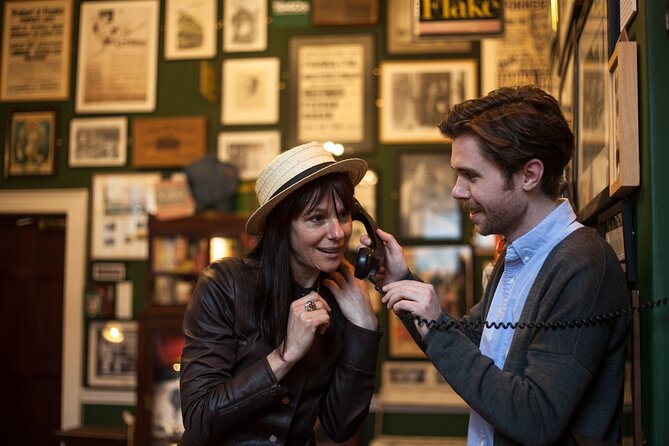
Reviewed · MUSEUM VISITS IN DUBLIN
The Little Museum of Dublin Famous Guided Tour
Dublin’s story fits inside one small house. The Little Museum makes that story lively through funny local guides, donated objects, and quick tales about the city’s people, politics, music, and habits. I like the warm, human approach, and I like that the tour works well as a first stop in Dublin. The main drawback is space: the museum is genuinely little, and a short guided visit may not leave you enough time to inspect every object.
You’ll get an admission ticket and a place on a guided tour without being tied to one exact time slot. That is handy for a busy sightseeing day, though you still need to plan ahead because tours can sell out. The presentation is in English, and the small groups, capped at 10 people, should make it easier to hear the guide and follow the jokes.
In This Review
- Key points to know before you book
- Inside the Georgian home at St. Stephen’s Green
- A fast, funny tour instead of a quiet museum visit
- Dublin told through donated objects
- Tara’s Palace and the U2 room
- Why the small group size matters
- The value of the $21.77 ticket
- The tone: warm, theatrical, and very Irish
- Who should put this on a Dublin itinerary?
- Location, access, and booking details
- Should you book the Little Museum of Dublin?
- FAQ
- Where is the Little Museum of Dublin?
- How long does the famous guided tour last?
- What language is the tour offered in?
- How much does the experience cost?
- Is admission included?
- Do I have to choose a specific time slot?
- How many people can join the tour?
- Are mobile tickets accepted?
- Can I cancel for a full refund?
Key points to know before you book
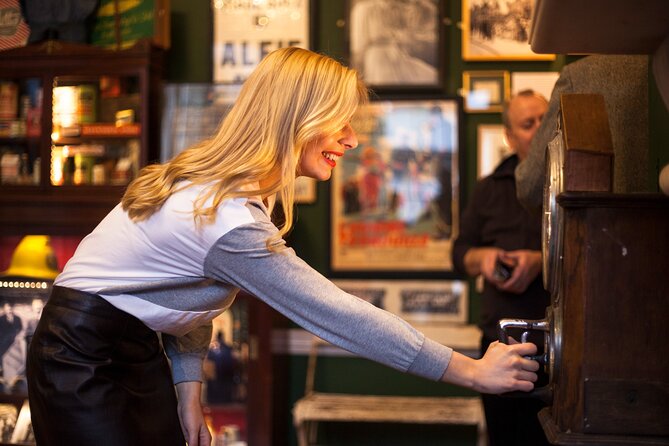
- A 30 to 60 minute introduction to Dublin: The tour gives you a fast, entertaining look at the city rather than a long museum session.
- Guides are the main attraction: George, Emma, Saul, Sean, Pauline, Fionn, Lisa, Mark, Daryl, Eamon, and Isabelle have all been praised for humor, warmth, singing, and storytelling.
- The collection came largely from Dublin residents: You see objects that reflect everyday city life, not just official milestones.
- Three floors in a Georgian townhouse: The compact setting gives the visit a personal feel, but it can also feel crowded or rushed.
- Tara’s Palace and a U2 room add variety: The dolls house and music display break up the historical material.
- Small groups and flexible scheduling help: The experience accepts mobile tickets, allows service animals, and is close to public transportation.
Inside the Georgian home at St. Stephen’s Green
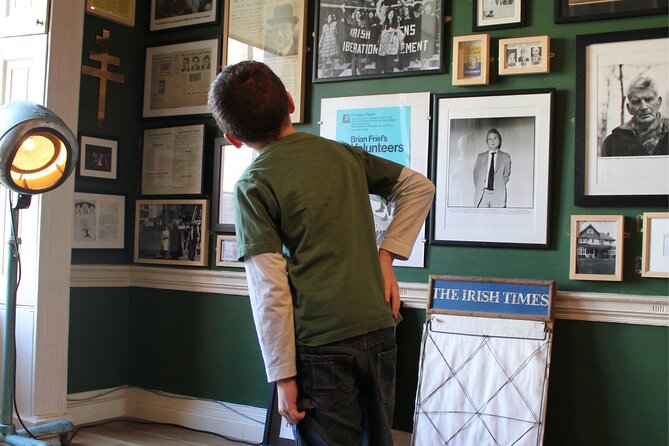
The Little Museum of Dublin is at 15 St. Stephen’s Green, Dublin 2, in a Georgian townhouse setting. That address puts you beside one of central Dublin’s best-known green spaces, so it is easy to pair the museum with a walk around the park or other city sights.
The building matters. This is not a vast gallery where you wander through silent rooms at your own pace. The museum uses a home-like setting, spread over three floors, to tell Dublin’s story through a large collection of objects donated mainly by people from the city.
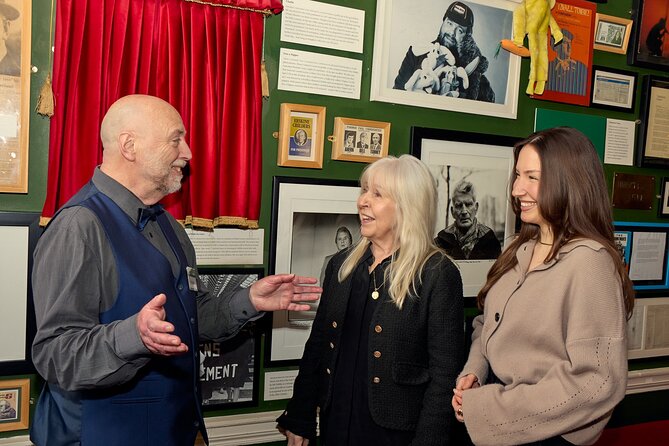
That gives the visit a different tone from a formal national museum. You are not simply moving from case to case and reading labels. A guide connects the objects with stories about Dublin life, then adds jokes, personal energy, and bits of performance. The result feels closer to a lively talk in an old house than a standard museum circuit.
I would start your Dublin sightseeing here if you want context before visiting larger attractions. The tour is short enough not to consume your morning, yet it gives you a sense of the city’s character and traditions.
More Museum Visits in Dublin
- Irish Rock ‘N’ Roll Museum Experience Dublin
★ 5.0 · 6,112 reviews - Dublin EPIC Museum Admission Ticket
★ 4.5 · 1,729 reviews - Giant’s Causeway with the Titanic Exhibition and the best of Northern Ireland
★ 5.0 · 1,122 reviews
A fast, funny tour instead of a quiet museum visit
The famous guided tour is designed around storytelling. The guides present universal, emotional, and comic stories about Dublin, with the aim of keeping the group involved from start to finish.
That approach is especially useful if museums usually lose your attention. You will not be expected to spend an hour reading dense text panels. Instead, the guide turns the collection into a sequence of stories, facts, jokes, and memorable details.
The best accounts of the experience praise the guides above all else. George is described as both funny and well informed. Emma is praised for an animated presentation and a strong sense of timing. Saul is noted for keeping the group engaged, while Sean added jokes and even some dancing to his tour.
Pauline has been remembered not only for her explanations but also for singing at the end. Fionn is described as an excellent storyteller, and Eamon as funny and entertaining while introducing Dublin traditions. Daryl is especially good at mixing facts with interaction, and Isabelle brings a friendly, lively style.
Those details tell you what to expect: the guide’s personality shapes the visit. You may get a comic performance, a song, or a more traditional talk, depending on who leads your group. That variation is part of the charm, though anyone wanting a quiet, self-guided museum experience may find the format too directed.
Dublin told through donated objects
The collection is largely made up of objects donated by Dublin residents. That is important because it shifts the focus from grand national events to the things people kept, used, admired, or considered worth saving.
You can expect a broad look at the capital rather than a tightly focused exhibit about one period. The tour is often described as a crash course in Irish or Dublin history, but the stronger focus is Dublin itself. You will hear about the city, its traditions, its public life, and its people.
The collection is extensive for such a small building. One account describes a surprisingly large number of fascinating items packed into the rooms, with enough to keep you looking long after the main tour ends. That creates a useful choice. You can take the guided presentation as your main visit, then stay to inspect objects at your own pace if time allows.
The catch is obvious: the rooms cannot display everything in a relaxed way during a short tour. One person found there was not enough time to see it all. I would treat the guided portion as an introduction, not the entire museum experience, especially if you enjoy small details and unusual objects.
Tara’s Palace and the U2 room
Two displays add a welcome change of pace to the historical material.
Tara’s Palace is one of the world’s largest dolls houses. Its scale and detail give the museum a playful feature that can appeal to children and adults alike. It also fits the museum’s wider idea that objects can reveal a great deal about culture, taste, family life, and social habits.
The room devoted to U2 brings modern Dublin into the picture. The band is closely tied to the city’s cultural identity, and this display gives the museum a music-focused element alongside its broader civic and social history.
These attractions help prevent the tour from feeling like one long sequence of dates and political events. You move between serious subjects, curious objects, local stories, and popular culture. If you are visiting with children, or with someone who does not normally choose museums, the dolls house and U2 material provide easy points of interest.
Something completely different for another day:
- Dublin to Cliffs of Moher, including Wild Atlantic Way and Galway
★ 5.0 · 23,331 reviews - From Dublin: Cliffs of Moher, Burren & Galway City Day Tour
★ 4.8 · 18,888 reviews - Dublin: Guinness Storehouse Entry Ticket
★ 4.6 · 16,863 reviews - Dublin to Cliffs of Moher, Burren, Wild Atlantic Way, Galway Tour
★ 5.0 · 12,924 reviews
Why the small group size matters
The maximum group size is 10 people. That is a strong feature for a storytelling tour because the experience depends on hearing the guide clearly and staying connected to the presentation.
A small group can also make the performance feel more personal. Guides can respond to the people in front of them, and you are less likely to be lost at the back of a large crowd. This matters in a compact townhouse where space is limited.
Still, small does not mean spacious. The museum occupies a compact building, and the group moves through rooms and floors together. If you want to linger over every object, you may feel hurried during the guided part. The best plan is to listen closely during the tour, then use any extra time afterward for browsing.
The duration is listed as about 30 minutes to one hour. Some accounts describe the core presentation as roughly 30 minutes, while others enjoyed about an hour. The exact length can depend on the guide and the flow of the group.
That flexible timing makes the museum easy to fit into a city itinerary. You can place it between other central Dublin activities without surrendering half a day. At the same time, do not arrive expecting a large, open-ended museum afternoon unless you plan to stay and look around after the talk.
The value of the $21.77 ticket
At $21.77 per person, this is not the cheapest short attraction in Dublin. The value comes from the combination of admission, a reserved place, and a live presentation by a local guide.
A self-guided visit might let you read more labels and move at your own speed, but it would miss the main strength of this museum: the storytelling. The ticket makes the most sense if you want a clear introduction to Dublin and prefer someone to connect the objects for you.
The flexible booking arrangement also has practical value. You can prebook a place without committing to one specific time slot, which helps if your Dublin schedule depends on meals, transport, or other timed visits. The trade-off is that you should not treat the flexible timing as a reason to wait until the last minute. The experience is often booked about 24 days ahead, and tours can sell out.
For a first visit to Dublin, I consider the price fair if you enjoy guided interpretation and humor. If you only want to browse objects silently, the cost may feel less attractive because the tour is central to the experience.
The tone: warm, theatrical, and very Irish
The museum’s strongest quality is its tone. The guides use humor without abandoning the historical material, and the presentation can include singing, dancing, or playful interaction. That combination gives you facts you may remember because they arrive with a laugh.
Pauline’s song, Emma’s animated delivery, Mark’s comic storytelling, and Daryl’s interaction with the group show how much the human side matters here. The museum is not relying only on its objects. It relies on the guide’s ability to turn them into a good hour in Dublin.
That style will suit you if you enjoy personality in a tour. It is also a good option for mixed groups, since one person can enjoy the history while another enjoys the jokes, music, or unusual displays.
I would be more cautious if you dislike audience participation or theatrical guides. The presentation is meant to entertain. You should expect energy rather than a subdued academic lecture.
Who should put this on a Dublin itinerary?
I would recommend the tour to first-time Dublin visitors who want a quick orientation. It gives you a focused look at Dublin specifically, which can help the rest of the city make more sense.
It suits couples, families, solo visitors, and groups with different levels of interest in museums. Several accounts describe it as suitable for all ages, and the short format helps when children or restless companions are involved.
It is also a good choice for anyone who wants to learn about Ireland but has not had time to read a guidebook. The presentation offers a compact overview, while keeping its attention on Dublin rather than trying to cover every part of the country.
You may want another attraction instead if you prefer extensive collections, long periods of quiet viewing, or a strictly chronological account. The Little Museum is more about selected objects and memorable stories than exhaustive coverage.
Location, access, and booking details
The museum is at 15 St. Stephen’s Green, Dublin 2, D02Y066. It is near public transportation, and the experience accepts mobile tickets, so you do not need to rely on a printed voucher.
Most people can take part, and service animals are allowed. The tour is offered in English. Since the group is limited to 10 people and tours may fill, advance booking is sensible, particularly if you are visiting on fixed dates.
Free cancellation is available up to 24 hours before the experience begins. Canceling within 24 hours, or making changes during that period, does not qualify for a refund. The cut-off follows local Dublin time, so check the clock carefully if your plans change.
Should you book the Little Museum of Dublin?
Book it if you want Dublin explained by a lively local storyteller, not just displayed behind glass. The short format, central location, small groups, and flexible time arrangement make it easy to add to a busy day.
I would especially choose it near the start of a Dublin visit. You will get a friendly introduction to the city, then can return to the collection afterward if a particular object catches your eye. The guides are the heart of the experience, and names such as George, Emma, Saul, Pauline, Fionn, and Daryl have become closely associated with the tour’s comic, warm style.
Skip it only if you want a large museum or a quiet, self-guided visit. For most people looking for an entertaining and useful first look at Dublin, the $21.77 ticket offers good value, provided you accept the compact space and short, performance-led format.
FAQ
Where is the Little Museum of Dublin?
It is located at 15 St. Stephen’s Green, Dublin 2, D02Y066, in central Dublin.
How long does the famous guided tour last?
The experience lasts approximately 30 minutes to one hour. Some guided presentations may be closer to 30 minutes, with extra time available to look around afterward.
What language is the tour offered in?
The tour is offered in English.
How much does the experience cost?
The listed price is $21.77 per person.
Is admission included?
Yes. The admission ticket is included with the guided experience.
Do I have to choose a specific time slot?
You can prebook a place without being tied to one specific time slot, according to the experience details.
How many people can join the tour?
The maximum group size is 10 people.
Are mobile tickets accepted?
Yes. The experience provides a mobile ticket.
Can I cancel for a full refund?
Yes, if you cancel at least 24 hours before the experience start time. Cancellations or changes made less than 24 hours in advance are not refunded.
Newest in Dublin
- Wicklow Mountains Private Day Tour including Glendalough★ 5.0 · 7 reviews
- Wicklow: Private Day Tour from Dublin★ 5.0 · 5 reviews
- From Dublin: Powerscourt House, Guinness Lake & Glendalough★ 5.0 · 2 reviews
- Ultimate Dublin Food Tour★ 4.5 · 2 reviews
- Women Of Ireland: Trailblazers & Pioneers★ 5.0 · 4 reviews
- Wicklow tour of Glendalough★ 4.5 · 8 reviews
- Wicklow Mountains & Glendalough Luxury Private Day Tour★ 5.0 · 23 reviews
- Whiskey Tasting Tour of Dublin★ 5.0 · 117 reviews
Museum Visits in Dublin, compared.


Irish Whiskey Museum: Whiskey Blending Experience
Read our review →
Irish Whiskey Museum Blending Tour with Tastings
Read our review →

Irish Coffee Masterclass at the Irish Whiskey Museum
Read our review →Browse the lists this tour appears in