Reviewed · TICKETS
5 Day Ireland’s South−East Including Admission from Dublin
Ireland rewards travelers who leave the capital. This five-day small-group route takes you from Dublin through ruined Celtic forts, coastal villages, whiskey country, medieval cities, and Wicklow’s mountain country. You get a broad look at the southeast without having to drive narrow roads or plan several hotels yourself.
I especially like the mix of ancient sites and local towns, from the Rock of Dunamase and Jerpoint Abbey to Kinsale, Cobh, Kilkenny, and Waterford. I also like the small maximum group of 16, which gives the driver-guide more room to share stories and adjust scenic stops. The main drawback is cost: at $1,714.74 per person, meals and several major admissions still come out of your pocket.
The route is packed. Some stops are quick photo calls, while others give you enough time for a walk, lunch, a museum, or a formal tour. Guides such as Rob and Patrick have been praised for Irish history, humor, and careful driving, all of which matter on long days in a mini-coach.
In This Review
- Key Points at a Glance
- What You Get for $1,714.74
- Dublin to Cashel: Ruins Before Lunch
- Blarney and Kinsale: Castle Folklore Meets Coastal Food
- Old Head to Mizen Head: Ireland’s Wild Atlantic Edge
- Charles Fort, Cobh, and the Whiskey Stop at Midleton
- Jerpoint Abbey and a Full Afternoon in Kilkenny
- New Ross, Glendalough, and Powerscourt on the Way Back
- Mini-Coach Comfort and the Rhythm of the Days
- Who Should Book This Ireland Tour?
- Should You Book It?
- FAQ
- Where does the tour start and finish?
- What time does the tour leave?
- How many people can join the tour?
- What is included in the price?
- Which admissions cost extra?
- How much luggage can I bring?
Key Points at a Glance
- The Rock of Dunamase opens the trip with a dramatic ruin: This former Celtic stronghold gives you wide views and a fast introduction to Ireland’s layered past.
- Kinsale serves as the best overnight base: Its colored buildings, narrow streets, restaurants, and pubs make the free evening feel like part of the tour.
- Mizen Head is the most rugged stop: The cliff bridge, Signal Station, and Atlantic views make this a highlight, but admission costs extra.
- Midleton includes the tour’s main tasting experience: A guided visit and whiskey tasting are included, adding real value to the package.
- Kilkenny gives you the longest city break: Smithwick’s Experience, shops, restaurants, museums, and a castle fill a generous three-hour stop.
- The final day ends with Glendalough and Powerscourt: You get monastic ruins, lakes, formal gardens, and a scenic return toward Dublin.
What You Get for $1,714.74
The price works out to roughly $343 per day. That is a serious spend, but it covers four nights in en-suite accommodation, breakfast, an air-conditioned mini-coach, a driver-guide, a small group, and the Midleton Distillery tour and tasting.
The package does not cover lunch or dinner. You also pay separately for Blarney Castle, Mizen Head, Jerpoint Abbey, and Powerscourt House and Gardens. The Rock of Cashel, Drombeg Stone Circle, Cobh, Kells Priory, Glendalough, and several outdoor stops are listed without an admission charge.
I see the value mainly in the logistics. You are not arranging five days of driving, parking, rural directions, hotels, and route planning. You also get a guide who can explain why a ruin matters instead of leaving you with a pile of stones and a signboard.
Still, you should budget beyond the headline price. Add meals, optional admissions, drinks, and perhaps paid attractions in Cobh or Kilkenny. If you already enjoy renting a car and choosing simple lodging, the tour may feel expensive. If you want a ready-made route through places that are awkward to connect by public transport, the price becomes easier to defend.
A few more ways to spend a day in Dublin
- Dublin to Cliffs of Moher, including Wild Atlantic Way and Galway
★ 5.0 · 23,331 reviews - From Dublin: Cliffs of Moher, Burren & Galway City Day Tour
★ 4.8 · 18,888 reviews - Dublin: Guinness Storehouse Entry Ticket
★ 4.6 · 16,863 reviews
Dublin to Cashel: Ruins Before Lunch
The tour leaves at 9:00 a.m. from Rabbie’s Dublin departure point opposite the Kilkenny Shop on Nassau Street. Arrive at least 15 minutes early. You have a 20-kilogram luggage limit, including a small onboard bag and a larger suitcase or rucksack, so pack with a five-day moving trip in mind.
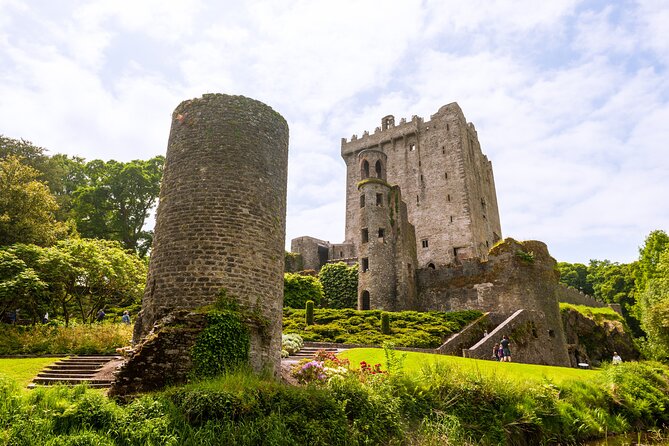
The first stop, the Rock of Dunamase, is a smart opening. The ruined fortification rises above the surrounding countryside, and you get about 35 minutes to walk around and take photographs. It began as an early Christian settlement, was attacked by Vikings in 842, and later became a major stronghold in County Laois.
This is not a long guided visit. You will have free time rather than a carefully staged presentation. That suits the site. You can climb, look across the countryside, and get your first feel for Ireland’s old stone architecture without spending half the morning indoors.
Next comes Cashel, where you have about 1 hour and 35 minutes for lunch and local sightseeing. The main attraction is the Rock of Cashel, a group of medieval buildings on a limestone outcrop. Its position gives it the kind of profile that makes even a passing glance worthwhile.
The schedule gives you enough time to see the town and decide how much attention to give the Rock. Check the admission situation when you book and with your guide, since the supplied tour details list the stop without a separate admission charge, while the paid inclusions do not specifically include it.
Blarney and Kinsale: Castle Folklore Meets Coastal Food
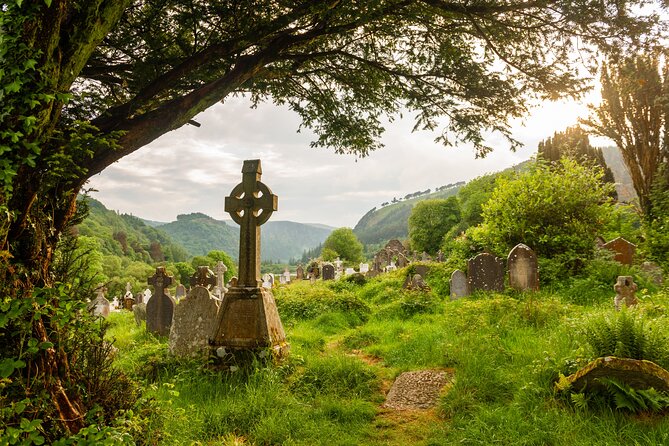
Blarney Castle follows, with roughly 90 minutes for the castle grounds and woodland paths. The castle itself is famous for the Blarney Stone and the old custom of kissing it to receive the gift of the gab. Admission is not included, so this is one of the first moments when your budget needs a little flexibility.
You do not need to make the stone the center of your visit. The grounds and woodland walk provide a quieter alternative, especially if you prefer gardens and ruins to a line for a famous ritual. The time is useful but not generous, so you may need to choose between exploring the castle interior, seeing the stone, and walking farther through the grounds.
The day ends in Kinsale, a fishing town south of Cork. You get about an hour with the group before your free evening, but the real advantage is spending the night here. Narrow streets, brightly painted buildings, local restaurants, and pubs give Kinsale a strong sense of place.
I would treat Kinsale as one of the tour’s best overnight stops. Rather than returning to a generic hotel district, you can step outside and find the town already around you. Plan dinner early if you have a particular restaurant in mind, though the tour does not include evening meals.
Old Head to Mizen Head: Ireland’s Wild Atlantic Edge
Day two begins with Old Head of Kinsale, where you have about 90 minutes for a coastal photo stop. The headland is meant to wake you up, and it does so with open sea views and exposed coastal scenery. The stop is more about air, light, and photographs than a formal attraction.
Drombeg Stone Circle is a much shorter visit, around 25 minutes. Seventeen standing stones form the circle, which is known locally as the Druid’s Altar. An urn was found at the center during excavation, adding a human detail to what can otherwise feel like a mysterious arrangement of rocks.
Do not expect a long archaeological lesson here. The value is in seeing the site in its setting and in having a guide provide context before you move on. Wear shoes suitable for uneven ground, since outdoor ruins and stone sites are a regular part of this route.
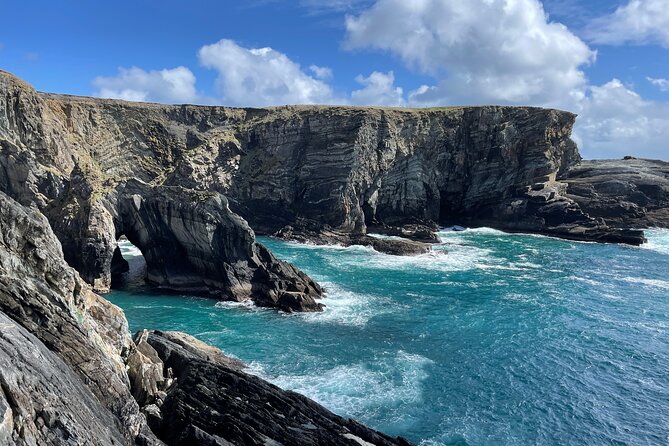
Mizen Head is the day’s major stop, with about 2 hours and 15 minutes. It is Ireland’s most south-westerly point on the Wild Atlantic Way, with cliffs, Atlantic water, a bridge, and a Signal Station. The bridge crossing offers the signature view, but anyone uneasy with heights should take it at a comfortable pace.
Admission is not included. You also have time for food at the visitor center and a look around the shop, so this is a place where the extra cost buys more than a quick photograph. The stop has enough time for a walk, the bridge, and the main viewing areas, though weather can affect how much you enjoy the exposed coast.
The final stop is Bantry, a harbor town where you get about 30 minutes. You can browse shops or take a short walk. Bantry House and Gardens is another possible attraction, modeled after continental palaces seen by the second Earl of Bantry, but the short scheduled visit means you should not expect a full estate tour.
You return to Kinsale for a second night. That repeat stay is practical because it avoids another hotel change, but it also means the route loops back after Mizen Head. I prefer the tradeoff. Two nights in the same town make the trip less tiring and give you another chance to enjoy Kinsale after a full day outside.
Something completely different for another day:
- Dublin to Cliffs of Moher, Burren, Wild Atlantic Way, Galway Tour
★ 5.0 · 12,924 reviews - Dublin to Belfast Black Cab, Dunluce Castle and Giant’s Causeway
★ 5.0 · 7,954 reviews - Kilkenny, Wicklow Mountains & Glendalough Day Tour from Dublin
★ 5.0 · 7,897 reviews - From Dublin: Wicklow Mountains, Glendalough & Kilkenny Tour
★ 4.8 · 6,235 reviews
Charles Fort, Cobh, and the Whiskey Stop at Midleton
Day three starts near Kinsale at Charles Fort, one of Ireland’s largest military installations. The scheduled time is two hours, although the description emphasizes photographs of the exterior. Ask your guide how much independent exploration is possible on your departure date, because the timing suggests a flexible visit rather than a full structured tour.
The fort’s star-shaped design is easy to appreciate from the outside. Its position near the water also links the architecture to Kinsale’s military and maritime importance. If you like defensive buildings, this could feel frustratingly brief, but the stop still gives the day a strong historical opening.
Midleton Distillery is the one clearly included paid attraction. The visit lasts about 1 hour and 55 minutes and includes a facility tour and whiskey tasting. For many people, this is the package’s best-value admission because you do not have to decide whether to pay extra after arriving.
You should expect the tasting to be a central part of the visit, so this stop may appeal less if whiskey is not your thing. For anyone curious about Irish whiskey, it adds a guided indoor experience to a route otherwise heavy on ruins, coast, and open-air walks.
Cobh follows for lunch and free time, with about 1 hour and 10 minutes. The town has a striking cathedral and a historic center, and you might choose the Titanic Experience if it fits your schedule. The limited time means you need to pick one main goal rather than attempt everything.
The route continues toward Waterford by a scenic coastal road, with flexible photo stops such as Bunmahon Beach or Tankardstown Copper Mine. The exact stop can vary, which is useful when weather or road conditions make one option better than another. It also means you should not plan around seeing one named site for certain.
Waterford is your base for the next two nights. As Ireland’s oldest city, it gives you a different feel from Kinsale, with more urban history and room for an evening walk. Your evening is free, so meals and additional sightseeing are your responsibility.
Jerpoint Abbey and a Full Afternoon in Kilkenny
Jerpoint Abbey begins day four. The Cistercian abbey dates from the 12th century and preserves Romanesque and Gothic details among its ruins. The stop lasts about two hours, giving you time to look closely at the stonework rather than simply snapping a photograph from the coach.
Admission is not included. One dated closure note says Jerpoint Abbey was unavailable on May 28, 2024, affecting the departure on May 25, 2024. That notice applies to that specific date, but it is a useful reminder to confirm current opening arrangements before you go.
Kilkenny receives three hours, the most generous city visit on the trip. You begin with Smithwick’s Experience, an interactive tour in an 18th-century brewery, with the option to sample its ale. The tour details list the attraction as free, but the included admission section specifically names Midleton rather than Smithwick’s, so confirm what is covered on your departure.
After the brewery experience, you can choose your own Kilkenny plan. Shops, restaurants, museums, and the castle all compete for your time. I like this open block because it gives you a break from being led around. You can eat slowly, browse, or focus on one major sight instead of collecting rushed photographs.
Kells Priory is the last stop, with about 55 minutes. The remains include an infirmary, workshop, kitchen, mill, and other buildings, but the defensive walls are the most striking feature. Their scale explains the local name, the Seven Castles of Kells.
The priory is especially good for people who enjoy reading a site through its layout. You are not just looking at one church ruin. You are seeing a working religious complex shaped by practical needs and military concerns.
You return to Waterford for another free evening. Two nights here reduce packing and unpacking, though the schedule gives you only limited independent time in the city itself. If Waterford interests you, use the first evening for a walk and save the second for a relaxed meal.
New Ross, Glendalough, and Powerscourt on the Way Back
The final day begins in New Ross with the Dunbrody Famine Ship, an authentic reproduction of an 1840s emigrant vessel. The visit lasts about 1 hour and 45 minutes and focuses on the emigrant experience during the famine period.
This stop adds social history to a trip otherwise dominated by castles, forts, and religious ruins. A ship makes the story physical. You can better understand the cramped conditions and the difficult decision to leave Ireland by seeing the setting rather than only reading dates.
Glendalough Village comes next, with about 1 hour and 15 minutes. The monastic site includes ruined buildings, a visitor center, and paths toward the lakes. You can choose between the remains and a short walk, but the time is not long enough for every route.
The setting is one of the day’s calmer moments. After several military sites and busy towns, Glendalough gives you water, hills, and quiet stone ruins. Keep your expectations practical: this is a taste of the valley and monastic site, not a full-day hike.
Powerscourt House and Gardens closes the tour. You have around 1 hour and 10 minutes for the estate grounds, with ornamental lakes, statues, secret hollows, and views across the surrounding country. Admission is extra, and the short visit means the gardens are the main reason to go.
This final stop is a good change of mood. Instead of another fortress or ruined abbey, you get designed gardens and a country estate before returning to Dublin. The route ends back at the original Nassau Street meeting point.
Mini-Coach Comfort and the Rhythm of the Days
The air-conditioned mini-coach is a practical choice for rural Ireland. A maximum of 16 passengers is small enough to keep boarding less cumbersome than on a full-size bus, and it suits roads where a larger vehicle could feel awkward.
The tradeoff is that five days involve plenty of road time. Some stops last only 25 to 60 minutes, and several days begin at 9:00 a.m. or follow a full schedule. You should enjoy moving through the country, not expect long, unstructured stays at every attraction.
The driver-guide makes a major difference. Rob has been praised for Irish history, humor, and safe driving, while Patrick has been singled out for cultural stories and a good sense of fun. Those qualities are not decoration. They turn transfers into part of the experience and help you understand what you are seeing.
The luggage rule is 20 kilograms per person, including a small personal bag and a larger suitcase or rucksack. Since you change hotels between Kinsale and Waterford, a compact soft-sided bag may be easier to manage than a large hard case.
The tour is suitable for most people, but children under five cannot join. It is near public transportation at the Dublin meeting point, and confirmation arrives within 48 hours of booking, subject to availability. The non-refundable policy is strict, so only book once your dates are firm.
Who Should Book This Ireland Tour?
I would choose this trip if you want to see a large slice of southern Ireland without renting a car. It suits people who enjoy historic ruins, coastal viewpoints, short walks, whiskey, small towns, and having breakfast and lodging arranged.
It is also a good fit if you value a guide’s stories. Rob and Patrick show the kind of personality that can make a long drive enjoyable, though guide assignments can change. The small group is another strong point for anyone who dislikes large coach excursions.
I would hesitate if you want deep time at every attraction, long hikes, or control over every meal and hotel. The route moves quickly, several admissions cost extra, and the price is high once you add food and optional sights.
Should You Book It?
Book this Rabbie’s tour if convenience, a small group, and broad coverage matter more to you than independent pacing. The best moments are the variety: Kinsale after dark, Mizen Head’s cliffs, Midleton’s included tasting, Kilkenny’s free afternoon, and the quiet ruins at Glendalough.
Skip it if you prefer to spend half a day at one castle or choose your own route by car. For the right kind of explorer, this is a well-planned introduction to Ireland’s south east, with enough free time to feel some places rather than simply pass through them.
FAQ
Where does the tour start and finish?
It starts at Rabbie’s Tours Dublin departure point opposite the Kilkenny Shop on Nassau Street in Dublin. The tour ends back at the same meeting point.
What time does the tour leave?
Departure is at 9:00 a.m. You should arrive at least 15 minutes before departure.
How many people can join the tour?
The maximum group size is 16 travelers.
What is included in the price?
The price includes four nights of en-suite accommodation with breakfast, transport in an air-conditioned mini-coach, a driver-guide, small-group service, and admission for the tour and tasting at Midleton Whiskey Distillery.
Which admissions cost extra?
Admission to Blarney Castle, Mizen Head, Jerpoint Abbey, and Powerscourt House and Gardens is not included. Meals and refreshments are also excluded.
How much luggage can I bring?
You are limited to 20 kilograms, or 44 pounds, per person. This can include a small bag for onboard personal items and a larger suitcase or rucksack.
Newest in Dublin
- Wicklow Mountains Private Day Tour including Glendalough★ 5.0 · 7 reviews
- Wicklow: Private Day Tour from Dublin★ 5.0 · 5 reviews
- From Dublin: Powerscourt House, Guinness Lake & Glendalough★ 5.0 · 2 reviews
- Ultimate Dublin Food Tour★ 4.5 · 2 reviews
- Women Of Ireland: Trailblazers & Pioneers★ 5.0 · 4 reviews
- Wicklow tour of Glendalough★ 4.5 · 8 reviews
- Wicklow Mountains & Glendalough Luxury Private Day Tour★ 5.0 · 23 reviews
- Whiskey Tasting Tour of Dublin★ 5.0 · 117 reviews
Tickets, compared.
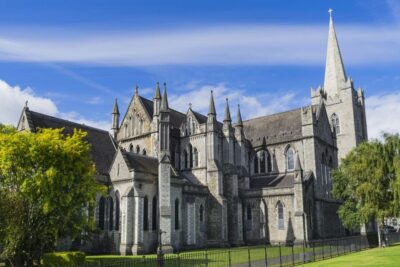
St Patrick’s Cathedral: Self-Guided Cathedral Admission
Read our review →

Fast-Track Book of Kells Ticket & Dublin Castle Tour
Read our review →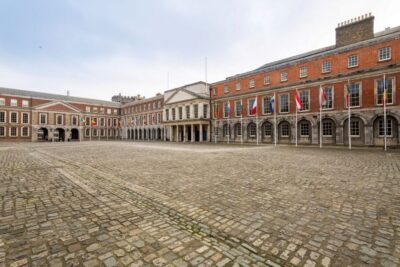
The Dublin Pass with Tickets to 40+ Attractions
Read our review →
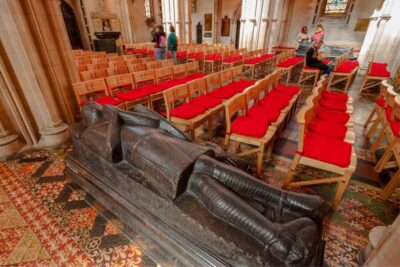
Christ Church Cathedral Entrance Ticket & Self-Guided Tour
Read our review →