

Reviewed · CATHEDRALS AND CHURCHES
St Patrick’s Cathedral: Self-Guided Cathedral Admission
History feels close here. Saint Patrick’s Cathedral combines beautiful Gothic design with more than 800 years of Irish religious and cultural life, and I especially like the freedom to explore at your own speed. The included audio guide adds useful detail, while the Discovery Space gives younger visitors and curious adults a hands-on way to understand the building. At $12 per person, it is a strong value, though the cathedral can feel crowded at busy times and the displays could use more printed material.
You can visit independently, follow the audio guide in six languages, or join a guided tour if one is running during your visit. I also like that admission is valid for one day rather than tied to a short, rigid visit. Still, this is an active place of worship, so some areas or services may affect how freely you can look around.
In This Review
- Key points to know before visiting
- Entering an 800-year-old Dublin landmark
- Gothic stonework and stained glass worth your time
- Following Jonathan Swift through the cathedral
- The Door of Reconciliation and an Irish phrase
- Using the audio guide at your own pace
- The Discovery Space adds more than decoration
- How long to allow for the visit
- Is $12 good value?
- Access, families, and useful planning notes
- Who will enjoy Saint Patrick’s Cathedral most?
- Should you book this Dublin cathedral visit?
- FAQ
- Where is Saint Patrick’s Cathedral located?
- How much does self-guided admission cost?
- How long is the visit?
- Is an audio guide included?
- Which languages are available on the audio guide?
- Can I take a guided tour instead?
- Is Saint Patrick’s Cathedral wheelchair accessible?
- Can children visit without an adult?
Key points to know before visiting
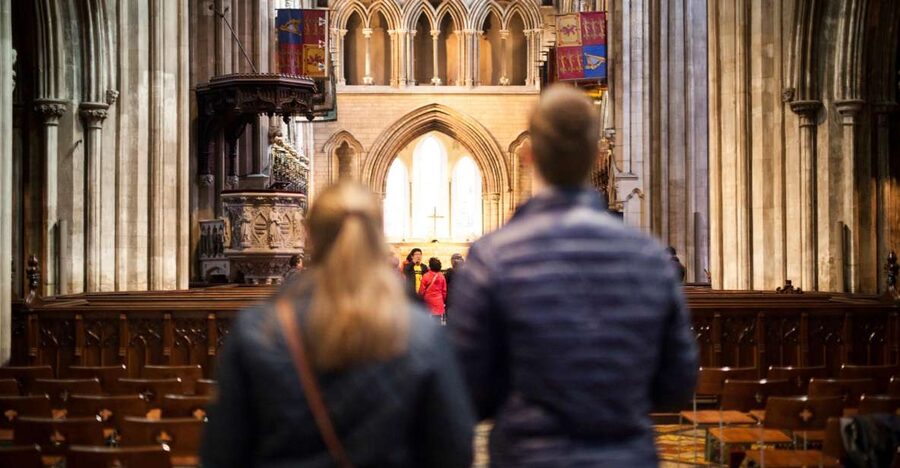
- The 39-image Saint Patrick window: A stained-glass window tells the saint’s life in 39 separate scenes, giving you one of the clearest visual highlights inside the cathedral.
- Jonathan Swift’s connection: The author of Gulliver’s Travels served as dean from 1713 to 1745 and is buried here, with related artifacts on display.
- The Door of Reconciliation: This famous feature is tied to the Irish expression to chance your arm.
- Audio guides in six languages: English, French, German, Italian, Spanish, and Irish are available, making the visit easier to follow without a scheduled guide.
- The Discovery Space: Touch screens, iPads with choir samples, and brass rubbing activities add variety to what could otherwise be a quiet architecture visit.
- A flexible $12 admission: Skip-the-line entry, one-day validity, and free cancellation up to 24 hours before the visit make this a low-risk Dublin stop.
Entering an 800-year-old Dublin landmark
Saint Patrick’s Cathedral was built in 1220 beside the well traditionally linked with Saint Patrick’s baptism of converts during his visit to Dublin. That location gives the cathedral more weight than a fine old building alone. You are visiting a place tied to a long-standing religious tradition, not simply stepping into a historic church for a quick look.
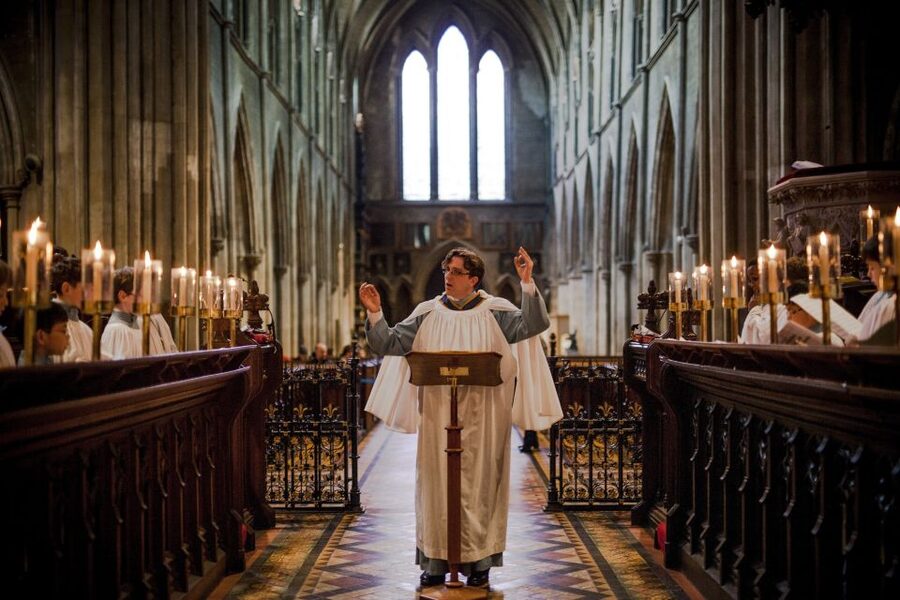
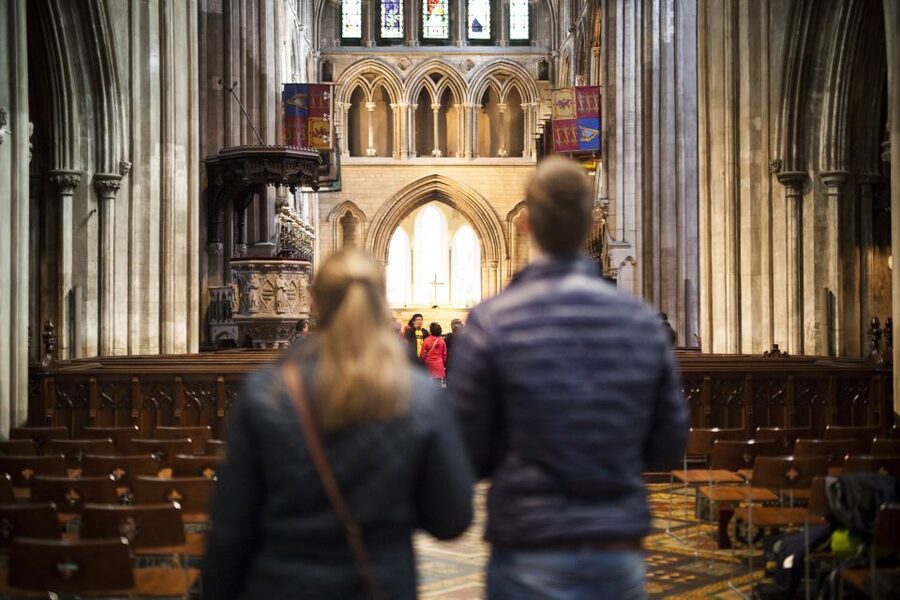
The cathedral is Ireland’s National Cathedral of the Church of Ireland. It still functions as a working church, with sung services twice daily from Sunday through Friday. That matters because the building has not been reduced to a museum display. Depending on the time of your visit, you may find the atmosphere quiet and reflective, or hear the sound of worship and music carrying through the nave.
The experience begins and ends at Saint Patrick’s Cathedral itself. There is no coach ride, meeting-point puzzle, or long transfer to manage. That makes it easy to add before or after other central Dublin sights, though you should leave yourself enough time to listen to the audio stops and look closely at the windows.
More Cathedrals and Churches in Dublin
- St Patrick’s Cathedral, Book of Kells and Dublin Castle Tour
★ 4.5 · 882 reviews - Christ Church Cathedral Entrance Ticket & Self-Guided Tour
★ 4.6 · 773 reviews - Saint Patrick’s Cathedral Dublin Entry Ticket
★ 4.5 · 548 reviews
Gothic stonework and stained glass worth your time
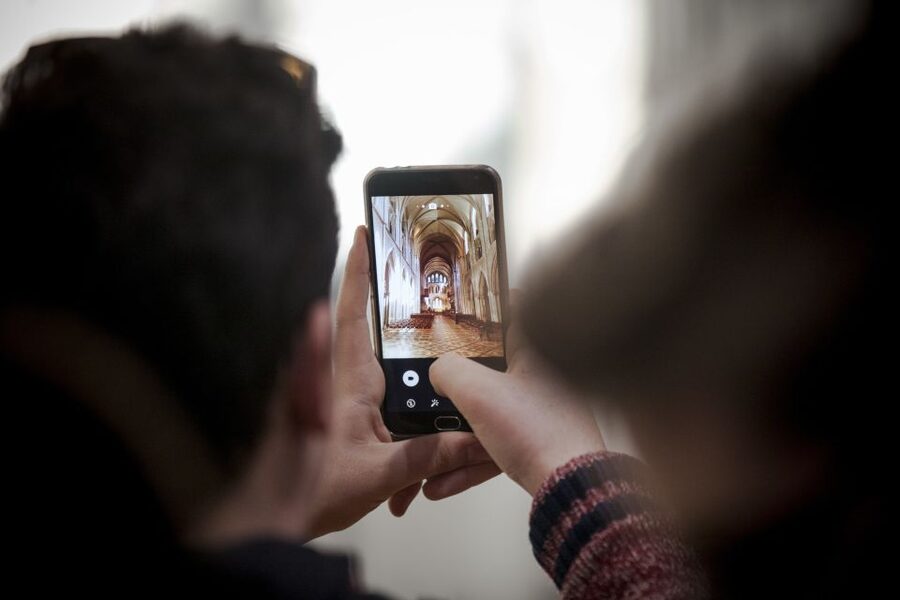
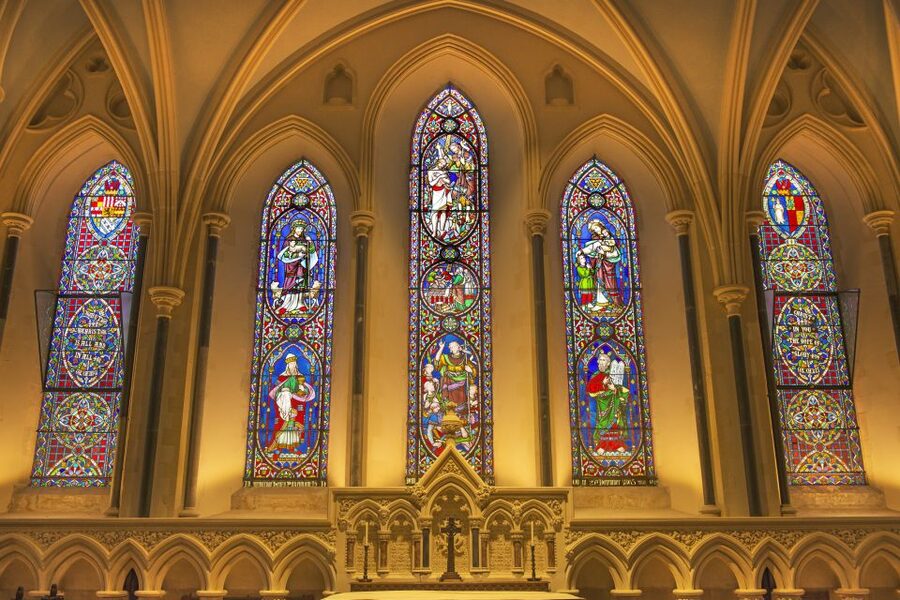
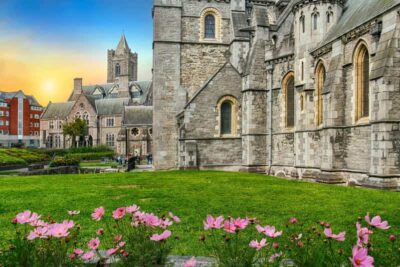
The first thing you notice inside is the scale and shape of the Gothic architecture. Pointed arches, stonework, tall windows, and the long interior create the kind of vertical sweep that photographs do not fully capture. I suggest looking up before you reach for your phone. The building rewards a slow first glance.
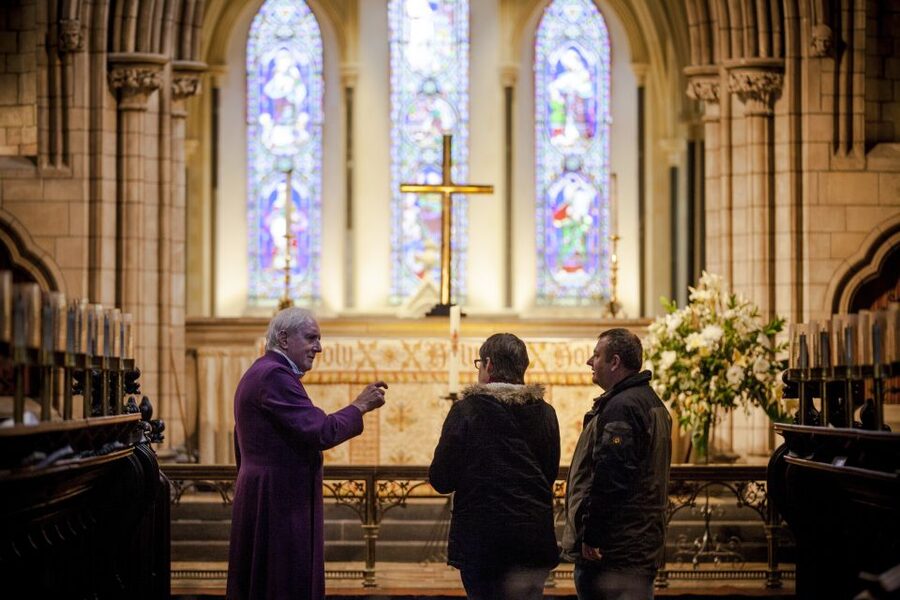
The stained glass is a major reason to visit. The window showing the life of Saint Patrick in 39 images gives you a visual story to follow, even if you know little about Irish religious history. Take time to study the individual panels rather than treating the window as one bright block of color.
The interior is maintained carefully, and that helps the details come through. Stone carving, glass, memorials, and architectural design all compete for attention, so the audio guide is useful here. It explains selected features instead of leaving you to guess why they matter.
Photography can be tempting at every turn, but the cathedral is also a solemn place. I found the best approach is to take a few pictures, then put the camera away for several minutes. The building feels more impressive when you are not trying to document every square foot.
Following Jonathan Swift through the cathedral
Jonathan Swift is one of the cathedral’s most memorable human connections. Best known as the author of Gulliver’s Travels, Swift served as dean of Saint Patrick’s from 1713 to 1745. He is buried in the cathedral, and a selection of artifacts connected with his life and work is on view.
This section gives the visit a welcome change of pace. Gothic architecture can seem distant or abstract, but Swift brings the building into the world of literature, politics, church life, and Dublin personalities. You begin to see the cathedral as a place where people worked, argued, worshipped, wrote, and were remembered.
The audio guide helps place Swift in context. If you are visiting with someone who is not especially interested in church architecture, his story may be the detail that keeps the visit engaging. If you already know his writing, the cathedral connection adds another layer to his biography.
Do not rush past the burial area. It is one of the clearest links between the building’s long public life and an individual figure you may already recognize.
The Door of Reconciliation and an Irish phrase

The Door of Reconciliation is a small feature with an unusually memorable story. It is associated with the origin of the Irish expression to chance your arm. The phrase grew from an episode involving two rival families, with one man putting his arm through a hole in the door as a gesture of trust.
The detail is valuable because it turns a piece of wood into a story about conflict, risk, and reconciliation. Without an explanation, you could easily pass it without noticing. With the audio guide or a staff explanation, it becomes one of the stops you are most likely to remember later.
This is a good example of why the self-guided format works. You are not just looking at an old object. You are learning how a physical feature inside the cathedral became part of everyday Irish speech.
More Self-Guided Tours in Dublin
- Dublin Ghost Hunt Exploration Game and Tour
★ 4.0 · 34 reviews - Private Dublin Treasure Hunt Self Guided Tour
★ 4.5 · 14 reviews - Dublin Self-Guided Murder Mystery Tour by Temple Bar
★ 3.5 · 12 reviews - Dublin Old Town: Famous Pubs Exploration Game and Tour
★ 4.0 · 7 reviews
Using the audio guide at your own pace
Audio guides are included with admission and are available in English, French, German, Italian, Spanish, and Irish. The format lets you choose which subjects interest you and skip material when you feel ready to move on.
I like this arrangement better than a fixed commentary that forces every person through the same sequence. You can spend extra time with the stained glass, pause for Swift, or listen only to the explanations that help you understand the building. The self-guided visit also works well for mixed groups, since one person can focus on architecture while another follows the historical material.
The supplied headsets are easy to use. Several visitors found it more comfortable to bring wired headphones or connect their own headphones to a phone when possible. That can make listening easier, especially if the cathedral is busy.
The audio content is detailed enough to turn a short look into a proper visit. You should not feel obliged to listen to every stop. A selective approach often works best: choose the sections that catch your eye, then return to the architecture without constant commentary.
There may also be guided tours at set times. Guides named David and Anna received especially warm praise for their friendly, clear explanations. If a live tour is available when you arrive, it may suit you if you prefer asking questions. If the timing does not work, the audio guide remains a solid option.
The Discovery Space adds more than decoration
The Discovery Space gives the cathedral a more modern edge. Touch-screen technology explains parts of the cathedral’s past, and iPads play samples of the choir. You can also make a brass rubbing, which gives children a simple activity and gives adults a hands-on souvenir of the visit.
This area is useful because a large medieval cathedral can be difficult to understand at first. You see stone, glass, and memorials, but digital explanations can show how the building changed and why particular details matter. The choir samples also help you imagine the cathedral as a place of music, not only stone.
Families may find the Discovery Space especially helpful. Under-18s must be accompanied by a parent or guardian, but the brass rubbing and interactive material give younger visitors something active to do. Adults who prefer quiet observation can spend more time in the main cathedral while children explore.
One limitation is that the visit leans heavily on audio and digital interpretation. Some people would prefer a printed booklet about the building or a dedicated guide to the stained-glass windows. If that describes you, check the shop, but do not assume it will provide the exact depth of material you want.
How long to allow for the visit
The admission is valid for one day, with starting times shown when you check availability. That flexibility is helpful in Dublin, where weather, meals, and other sights can shift your schedule.
You can make the stop brief if you only want the main interior, Saint Patrick’s window, Swift’s burial place, and the Door of Reconciliation. I would allow longer if you plan to use the audio guide, visit the Discovery Space, listen to choir samples, and read the displays.
There is no fixed tour duration for the self-guided admission. That is a genuine advantage. You will not be hurried along by a group, and you can pause when a detail catches your attention.
The busiest period mentioned by visitors was around 1 p.m. on a Monday in June. Even then, the cathedral remained usable, but crowding made it harder to enjoy a completely quiet visit. For the calmest experience, choose a less busy time shown in the booking calendar and remember that services take place here.
Is $12 good value?
At $12 per person, Saint Patrick’s Cathedral offers good value for a major Dublin sight. Your admission includes the cathedral interior, self-guided access, and audio guides in six languages. The one-day validity also means you are paying for flexibility, not just a quick timed entry.
The value is strongest if you enjoy history, literature, church architecture, or stained glass. You receive more than a view of a beautiful interior. The visit connects Saint Patrick’s story, Swift’s life, Irish expressions, music, religious practice, and the cathedral’s role in national life.
It may feel less worthwhile if you only want a fast photograph. The cathedral is best when you give it time. The audio guide and displays are what turn the admission from a look inside an old church into a more useful cultural visit.
Skip-the-ticket-line entry adds practical value, particularly at busy times. You can also reserve now and pay later, and cancel up to 24 hours ahead for a full refund. Those terms make it easier to fit the cathedral into a changing Dublin schedule.
Access, families, and useful planning notes
The cathedral is wheelchair accessible. Under-18s need to be accompanied by a parent or guardian, so families should plan to enter together.
The experience begins and ends at the cathedral, which keeps the logistics simple. Check the available starting times when booking, since the admission is described as valid for one day but not as an unrestricted anytime ticket.
The on-site toilet is located in a transportable building outside the cathedral. It is a practical benefit, especially for families, but it is not part of the main historic interior.
A small shop is located at the end of the visit. It can be convenient for a souvenir, though its placement may feel slightly awkward beside the solemnity of the cathedral. I would browse briefly after taking in the building rather than letting the retail area shape the visit.
Who will enjoy Saint Patrick’s Cathedral most?
I would recommend this admission to you if you like to set your own pace. It is also a good choice for anyone interested in Dublin’s religious history, Irish literature, Gothic architecture, stained glass, or church music.
Families can use the Discovery Space and brass rubbing to keep younger children interested. Those who prefer a live explanation should ask about a guided tour on arrival. David and Anna were praised for making the history clear and approachable, but guided tours run at particular times, so the audio option gives you more control.
The cathedral also suits first-time Dublin visitors who want a major historic site without committing half a day to a formal excursion. You can listen closely to selected sections or make a shorter visit between other plans.
It is less suited to anyone expecting a fully guided tour with constant personal attention. This is primarily a self-guided admission, and the quality of your visit depends partly on how much time you choose to give the material.
Should you book this Dublin cathedral visit?
Yes, if you want a flexible and reasonably priced look at one of Ireland’s most important religious buildings. The strongest reasons are the Gothic interior, the 39-image Saint Patrick window, Jonathan Swift’s burial place, the Door of Reconciliation, and the well-produced audio guide.
Book it when you want to explore independently, especially if your Dublin schedule may change. Pick a quieter time if possible, bring wired headphones for easier listening, and allow enough time to use the Discovery Space rather than racing through the nave.
Skip it only if your itinerary already contains several church interiors and you are unlikely to stop for the history. For most visitors, though, the $12 admission buys a thoughtful hour or more in a building that still has a living role in Dublin.
FAQ
Where is Saint Patrick’s Cathedral located?
Saint Patrick’s Cathedral is in Dublin County, Ireland. The activity begins and ends at the cathedral.
How much does self-guided admission cost?
Admission costs $12 per person.
How long is the visit?
The admission is valid for one day. There is no fixed duration for the self-guided visit, so you can choose how long to spend inside. Starting times are shown with availability.
Is an audio guide included?
Yes. Audio guides are included with admission.
Which languages are available on the audio guide?
The audio guide is available in English, French, German, Italian, Spanish, and Irish.
Can I take a guided tour instead?
Guided tours may be available at specific times. The self-guided admission allows you to use the included audio guide and explore at your own pace.
Is Saint Patrick’s Cathedral wheelchair accessible?
Yes. The cathedral is wheelchair accessible.
Can children visit without an adult?
No. Anyone under 18 must be accompanied by a parent or guardian.
Newest in Dublin
- Wicklow Mountains Private Day Tour including Glendalough★ 5.0 · 7 reviews
- Wicklow: Private Day Tour from Dublin★ 5.0 · 5 reviews
- From Dublin: Powerscourt House, Guinness Lake & Glendalough★ 5.0 · 2 reviews
- Ultimate Dublin Food Tour★ 4.5 · 2 reviews
- Women Of Ireland: Trailblazers & Pioneers★ 5.0 · 4 reviews
- Wicklow tour of Glendalough★ 4.5 · 8 reviews
- Wicklow Mountains & Glendalough Luxury Private Day Tour★ 5.0 · 23 reviews
- Whiskey Tasting Tour of Dublin★ 5.0 · 117 reviews
Cathedrals and Churches, compared.
St Patrick’s Cathedral, Book of Kells and Dublin Castle Tour
Read our review →
Christ Church Cathedral Entrance Ticket & Self-Guided Tour
Read our review →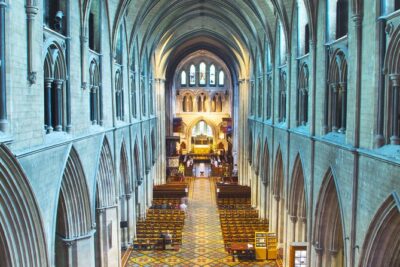
Book of Kells, Dublin Castle and Christ Church Tour
Read our review →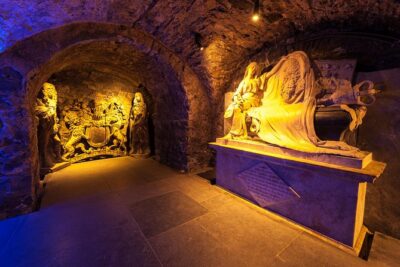
Dublin Christ Church Cathedral Admission Ticket
Read our review →
Book of Kells, Dublin Castle, Christ Church Cathedral Tour
Read our review →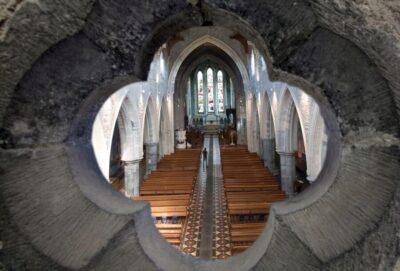

Tullamore Distillery, Athlone and Clonmacnoise from Galway
Read our review →Browse the lists this tour appears in