Reviewed · DUBLIN TOURS
Dublin: Windmill Lane Recording Studios Tour
Music history lives behind these doors. The one-hour Windmill Lane tour takes you inside a working Dublin studio where U2, Hozier, Lady Gaga, The Cranberries, The Rolling Stones, Riverdance, and many others have recorded. I like the way the tour explains both the famous names and the skilled people behind the sound. I also like that you do not just stare at old equipment, you hear recording examples and can interact with parts of the studio.
The main drawback is access. This is a historic three-story building with no lift, so it is not suitable for wheelchair users or people with mobility impairments. You also need to book ahead because this is a working studio, not a visitor attraction that accepts walk-ins.
In This Review
- Key points to know before you book
- Entering through Windmill Lane’s famous metal doors
- Studio 1 and the rooms where records take shape
- From early recording gear to computer software
- The binaural recording is the tour’s best surprise
- Guides make the difference
- The Irish and international music connections
- What the one-hour schedule feels like
- Is $25 a fair price?
- Practical points that can affect your visit
- Who will enjoy Windmill Lane most?
- Should you book the Windmill Lane tour?
- FAQ
- Where does the Windmill Lane Recording Studios tour start and end?
- How long does the tour last?
- What language is the tour in?
- Can I bring a camera or large bag?
- Is the studio wheelchair accessible?
- Can I cancel the booking?
Key points to know before you book
- Studio 1 is the star of the visit: You see the room linked with a long list of major recordings and learn how it functions.
- The tour is hands-on: You may sit at the mixing console, try parts of the equipment, and hear examples of how voices and instruments can be changed.
- Sound is central: A band performance in the live room and a specially made binaural recording show how recording works beyond the visible machinery.
- Guides bring music experience: Guides such as Aidan, Maeve, Zara, Stefan, Ian, Maria, and Ross have been praised for friendly, clear, personal tours.
- The studio connects Irish and international music: U2, The Cranberries, Westlife, Hozier, Riverdance, Kylie Minogue, The Rolling Stones, and Lady Gaga are among the names tied to the building.
- Pack light and book early: Cameras and large bags are not allowed, and tours run only on set dates and times.
Entering through Windmill Lane’s famous metal doors
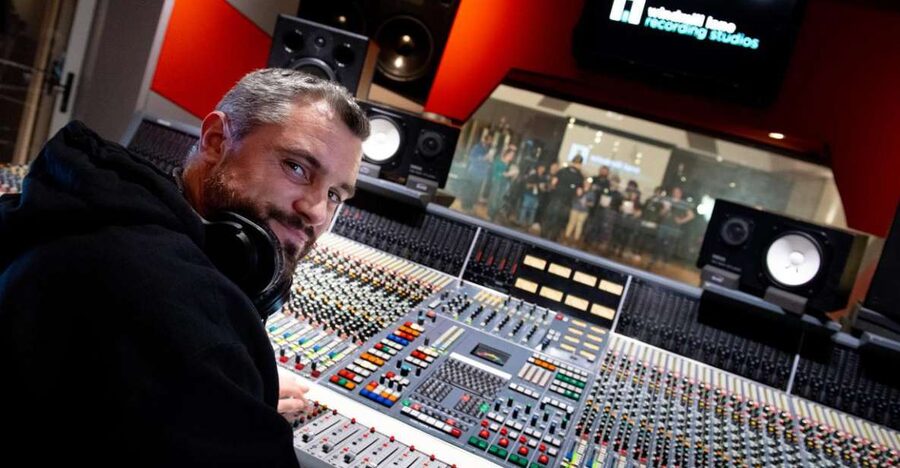
The tour begins at Windmill Lane Recording Studios in Dublin County and finishes at the same address. That simple arrangement works well. You do not lose time waiting for a shuttle or moving between several attractions, and the studio is centrally located near cafés, restaurants, and convenience stores.
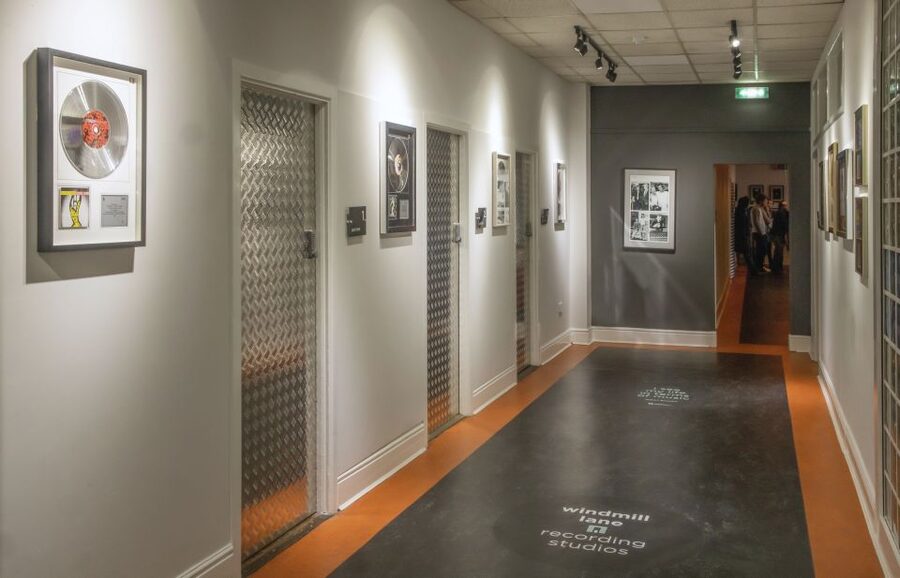
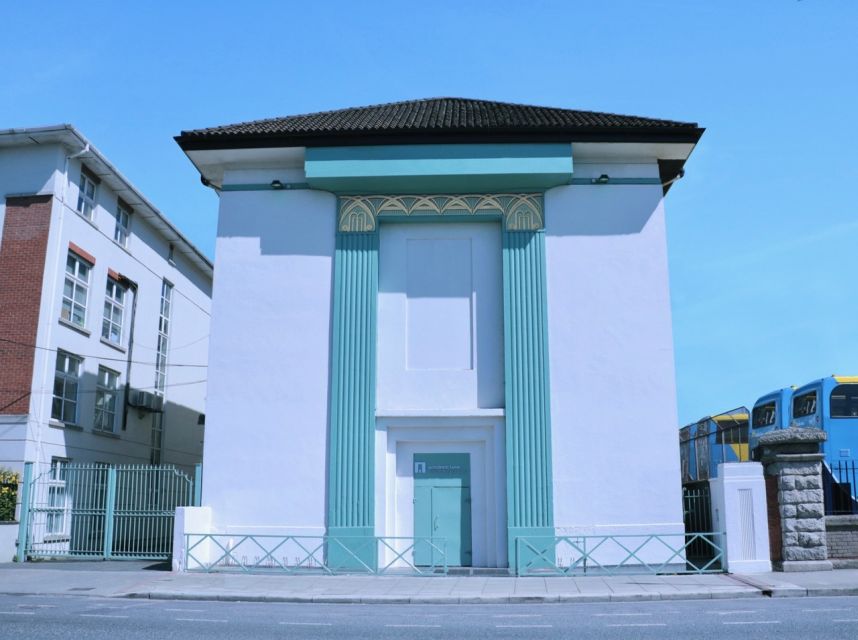
The first moment has a little theatre to it. You step through the famous metal doors into a building that has been making music since 1978. It is not dressed up as a museum. It remains a working recording studio, which gives the visit its appeal but also explains the strict booking rules and limited access.
The guide sets the scene by explaining how the studio became part of Ireland’s music story and then reached far beyond the country. You hear about artists who used the rooms and about the producers, engineers, and other specialists who made those sessions work.
That balance matters. A tour built only around celebrity names can feel like a list of famous customers. Windmill Lane gives you a better sense of the work behind the records. The people at the mixing desk and behind the recording equipment shape what you eventually hear through headphones, speakers, radio, or a concert system.
A few more ways to spend a day in Dublin
- Dublin to Cliffs of Moher, including Wild Atlantic Way and Galway
★ 5.0 · 23,331 reviews - From Dublin: Cliffs of Moher, Burren & Galway City Day Tour
★ 4.8 · 18,888 reviews - Dublin: Guinness Storehouse Entry Ticket
★ 4.6 · 16,863 reviews
Studio 1 and the rooms where records take shape
The central stop is Studio 1, the iconic room highlighted throughout the tour. It is the place to picture musicians, producers, and engineers working together, rather than simply a room with impressive furniture.
The guide explains how the live room is used when musicians perform together and how sound moves from that room into the control area. You hear a recording of a band performing in the live room while the recording process is explained. That example helps turn technical talk into something you can hear.
You may also see Studio 3, depending on the tour flow and current studio use. The important point is that this is a real workplace. A room may need to remain available for recording, so the exact route can depend on what is happening in the building on the day.
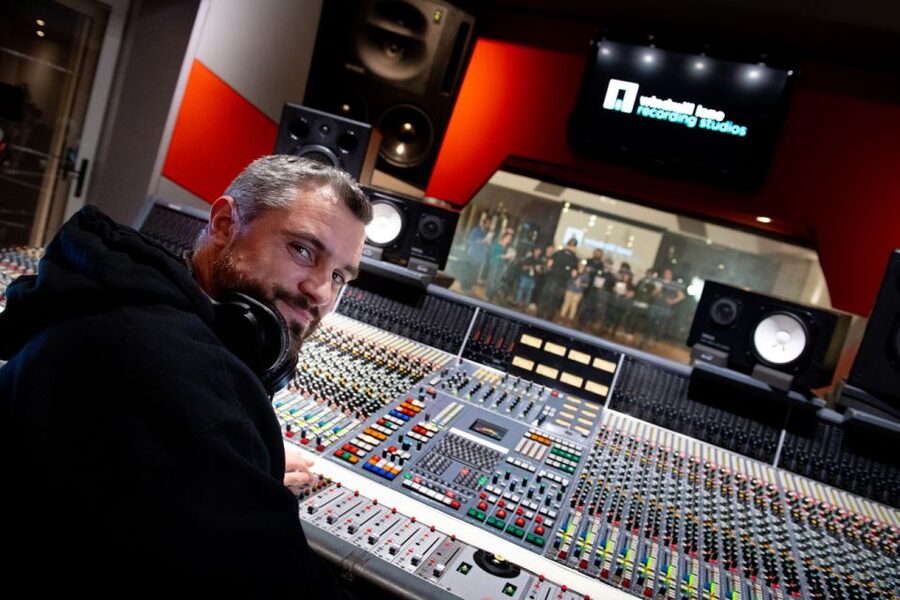
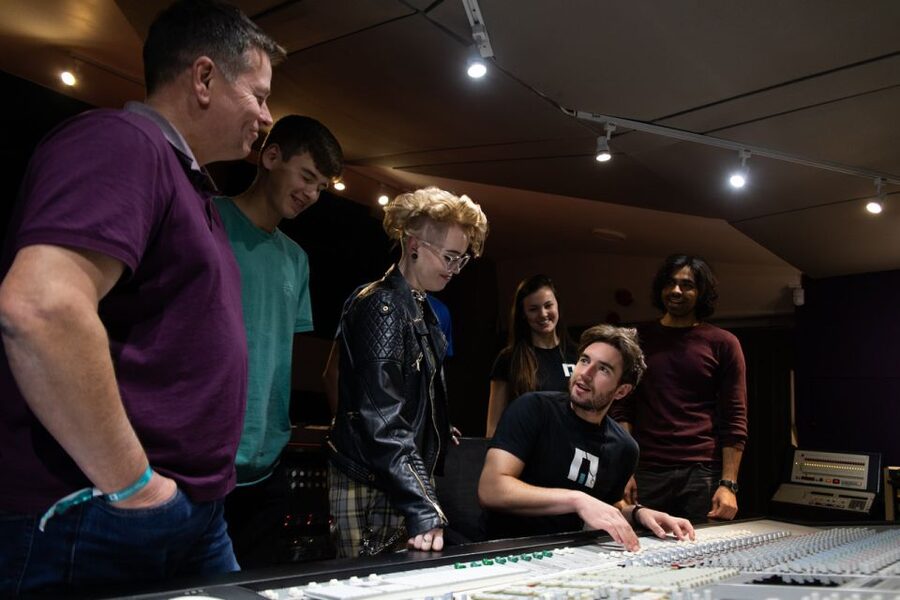
The control room is another strong part of the visit. The large mixing console gives you a clear picture of how engineers balance voices, drums, guitars, keyboards, and effects. Some tours allow you to sit in the engineers’ chairs or try parts of the equipment. That small chance to interact makes the explanation easier to remember.
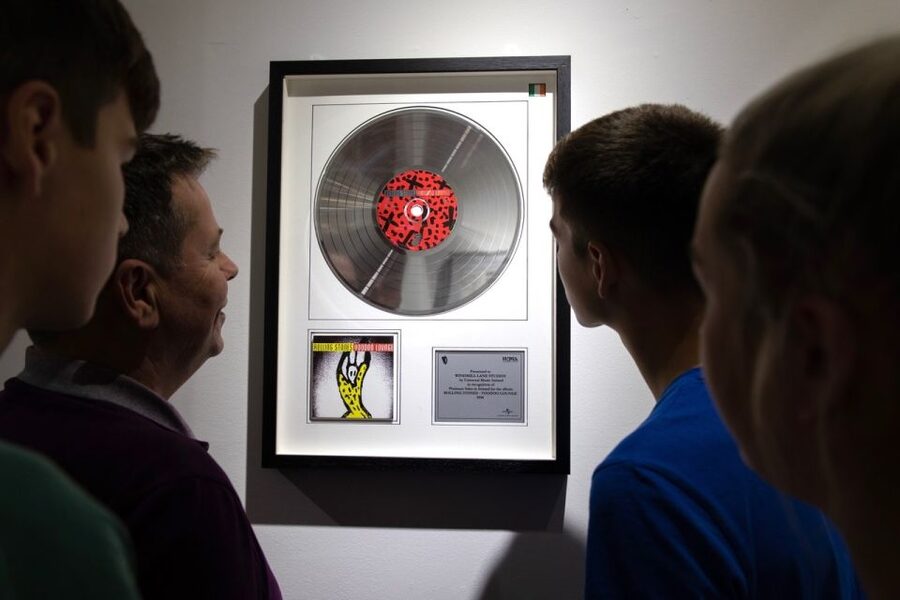
You might also see gold and platinum records, Grammy awards, and a wall covered with artists’ signatures. These displays add visual proof to the stories, but they are not the whole reason to come. The better experience is hearing how a recording is built and understanding why the studio needs specialist rooms and equipment.
From early recording gear to computer software

Windmill Lane’s story also follows the change in recording technology. The guide covers the move from early recording devices to modern computer software and digital production tools.
You do not need a technical background to follow this part. The best guides adjust their explanations to the group. A music-production student can ask detailed questions, while someone who simply enjoys songs can stay with the practical basics.
The tour can show how a voice is altered and how different recording choices change what you hear. One example involves voice-tone alteration, which gives you a quick sense of how production can make a sound higher, lower, cleaner, or more stylized.
This is where the tour earns its price. You are not only being told that music production is complicated. You are given audible examples. Once you hear a dry recording beside a processed one, the role of the engineer becomes much clearer.
The same applies to the mixing console. It is easy to look at a mass of knobs and switches and feel lost. A guide who explains what the controls do, and lets you try something, gives the equipment a purpose.
The binaural recording is the tour’s best surprise
The final sound demonstration is a specially commissioned binaural recording. You listen to it as a 360-degree sound experience, usually with your eyes closed so you can concentrate on the changes around you.
This is a clever finish because it moves the tour from visible studio history into the future of sound. You do not need to understand every technical term. You simply notice how sound can appear to come from different directions and distances.
The demonstration has been singled out as one of the most memorable parts of the visit, along with the voice-changing example. If you enjoy audio, film sound, music production, or new technology, this section gives the hour a strong ending.
It is also a good reminder that recording is not just about capturing a performance. It is about shaping how the listener experiences that performance later. A song can be changed by room acoustics, microphone placement, editing, mixing, and the final playback system.
Something completely different for another day:
- Dublin to Cliffs of Moher, Burren, Wild Atlantic Way, Galway Tour
★ 5.0 · 12,924 reviews - Dublin to Belfast Black Cab, Dunluce Castle and Giant’s Causeway
★ 5.0 · 7,954 reviews - Kilkenny, Wicklow Mountains & Glendalough Day Tour from Dublin
★ 5.0 · 7,897 reviews - From Dublin: Wicklow Mountains, Glendalough & Kilkenny Tour
★ 4.8 · 6,235 reviews
Guides make the difference
The guide can make or break a short studio tour, and Windmill Lane appears to choose people who can handle both the technical side and the human side.
Aidan is praised for his energy, warmth, and ability to tell the studio’s story without sounding as if he is reciting a script. Maeve is described as thoughtful, welcoming, and thorough. Zara, Stefan, Ian, Maria, and Ross have also led well-received tours, with different visitors highlighting their humor, friendliness, and ability to answer questions.
I like that the guides are musicians and producers themselves. That gives the explanations a practical edge. They can talk about how a session works, not just point to an old machine and repeat a date.
The atmosphere is relaxed rather than formal. You can join in with the equipment or hang back and listen. That suits mixed groups, especially when one person knows a lot about recording and another has come mainly because of U2, Lady Gaga, Hozier, or The Cranberries.
Small groups are another advantage when the tour operates that way. You have more room to ask questions, hear the demonstrations, and get a look at the mixing desk. Group size can vary, so I would not treat a small group as guaranteed, but the experience is designed to be interactive rather than a large, distant lecture.
The Irish and international music connections
Windmill Lane has a strong Irish identity, but the artist list is international. The studio’s story includes U2, The Cranberries, Westlife, Hozier, Riverdance, and other Irish-linked acts, along with Lady Gaga, Kylie Minogue, The Rolling Stones, and more.
That range gives the tour broad appeal. You might arrive expecting stories about rock bands and leave with a better understanding of pop production, dance recordings, vocal work, and the sound required for large performances.
Riverdance is a useful example of why a recording studio matters beyond a standard band session. Different kinds of music need different arrangements, recording choices, and mixing decisions. The building’s history is not limited to one genre.
You also get a sense of how personal music memories connect to a physical place. A song heard on a long drive, a record bought as a teenager, or a concert remembered from years ago may have some link to the rooms you are visiting. The tour works best when you allow those connections without expecting a celebrity sighting or a live session.
No active recording session is promised. That is important. You are visiting a working facility, but the scheduled tour focuses on the studio’s spaces, equipment, examples, and stories.
What the one-hour schedule feels like
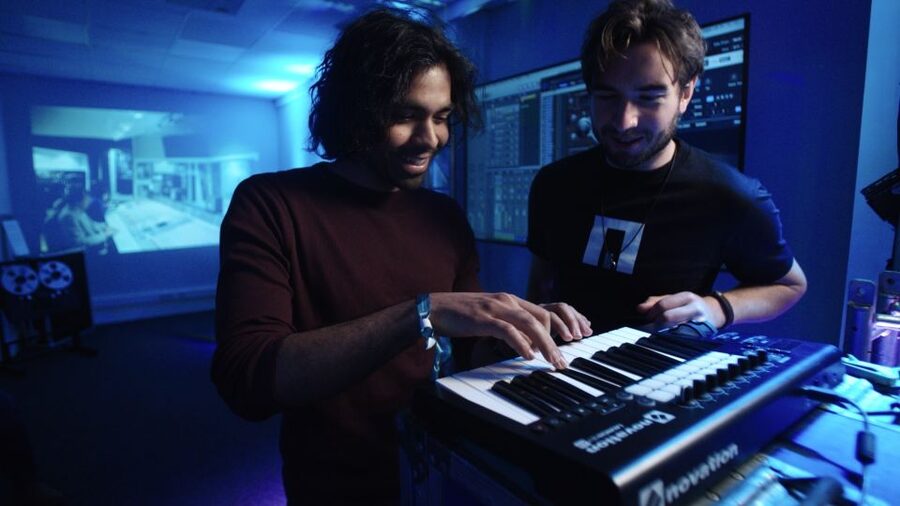
One hour is enough for a focused introduction, but it is not long enough for a full technical course. The pace is brisk, with time for the building’s story, the rooms, recording demonstrations, and questions.
The visit generally moves through four types of moments:
- An introduction to Windmill Lane and its place in music since 1978
- A look at Studio 1 and other studio areas when available
- Explanations and demonstrations of recording equipment and production
- Live-room and binaural sound examples
The best part is the variety. You are not standing in one room while a guide talks for sixty minutes. You move between stories, objects, controls, and sound.
Still, the hour may feel short if you want a detailed lesson on microphones, signal paths, or mixing software. Music-production students will likely have questions that cannot all be answered in a single visit. For a general audience, though, the compact format keeps the tour lively.
Is $25 a fair price?
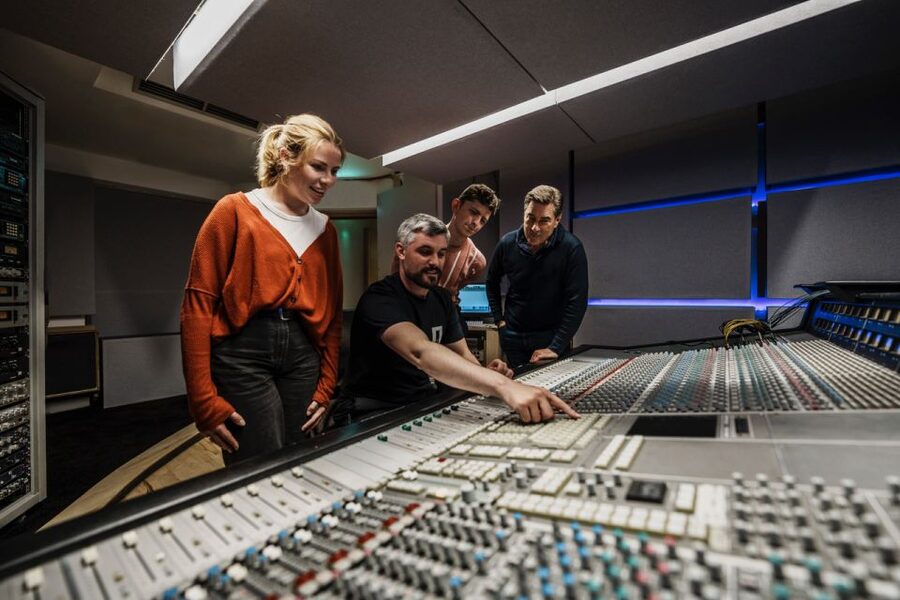
At $25 per person, this is not the cheapest way to spend an hour in Dublin. You are paying for access to a working studio, a specialist guide, demonstrations, and a building with more than four decades of recording history.
I consider that fair value for anyone interested in music, recording, film sound, or the artists connected with Windmill Lane. The binaural recording and live-room example give you something you cannot get from a plaque or a self-guided display. The chance to handle or operate parts of the equipment adds another useful layer.
The value is weaker if you have little interest in how music is made. The famous names may catch your attention, but the tour is built around recording practice rather than a general Dublin sightseeing route.
It is also a good choice for a music student or aspiring producer. The tour will not replace formal study, but it can show how professional rooms are organized and how technical choices affect the final sound.
Practical points that can affect your visit
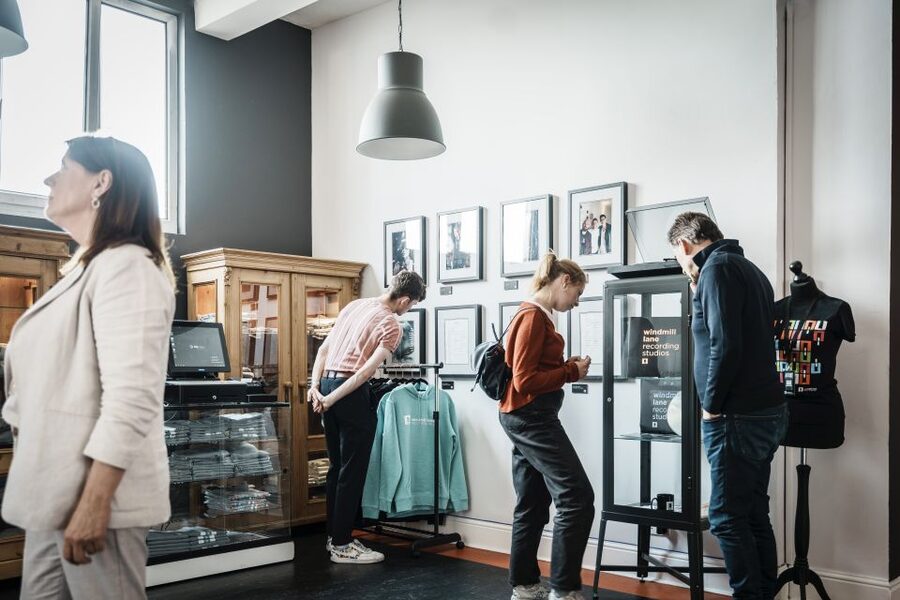
Book in advance. Tours run only on designated dates and times, and the studio is not open as a casual walk-in attraction. Check the available starting time before building the rest of your Dublin day around it.
Bring only what you need. Cameras and luggage or large bags are not allowed. The supplied information does not promise storage, so it is sensible to avoid arriving with bulky belongings.
Wear comfortable shoes and expect stairs. The building is a protected three-story structure with limited access and no lift facilities. The tour is not suitable for wheelchair users, people with mobility impairments, or children under five.
There is no food or drink for sale inside the studio. That is easy to manage because cafés, restaurants, and convenience stores are close by. Plan a coffee before or after the tour rather than expecting a refreshment stop inside.
English is the tour language, and a live guide leads the experience. Free cancellation is available up to 24 hours before the start time, and you can reserve now and pay later if that option is offered at booking.
Who will enjoy Windmill Lane most?
I would choose this tour for:
- Music fans who want more than a list of famous recording credits
- People curious about mixing, sound effects, and studio technology
- Music-production students and aspiring engineers
- Visitors who enjoy small, personal tours with room for questions
- Fans of U2, Hozier, The Cranberries, Westlife, Lady Gaga, Riverdance, The Rolling Stones, or Kylie Minogue
- Anyone looking for a short Dublin activity with a strong local connection
It is less suitable if you want a broad Dublin history tour, a celebrity encounter, or an attraction with full step-free access. It is also not the best choice for very young children, since children under five are not permitted and the material is aimed more at older listeners.
The published score of 4.9 from 178 ratings reflects the tour’s strongest qualities: friendly guides, clear explanations, hands-on moments, and sound demonstrations that make the visit feel personal. I would place more weight on those details than on the number alone.
Should you book the Windmill Lane tour?
Book it if music is part of the reason you came to Dublin. The tour gives you a close look at Studio 1, explains the people and technology behind recordings, and lets you hear production at work rather than simply admire framed records.
I especially recommend it for anyone who wants a practical answer to the question of how a song becomes a finished recording. Aidan, Maeve, Zara, Stefan, Ian, Maria, and Ross have all been praised for making the technical material friendly and easy to follow.
Skip it if stairs are a serious problem, if you need a fully accessible attraction, or if you are only mildly interested in music studios. For the right audience, though, $25 buys a focused, memorable hour in one of Dublin’s most important working music spaces.
FAQ
Where does the Windmill Lane Recording Studios tour start and end?
The tour starts at Windmill Lane Recording Studios and ends back at the same meeting point.
How long does the tour last?
The tour lasts one hour. Starting times vary, so you need to check availability when booking.
What language is the tour in?
The tour is conducted in English by a live guide.
Can I bring a camera or large bag?
No. Cameras, luggage, and large bags are not allowed.
Is the studio wheelchair accessible?
No. The historic three-story building currently has limited access and no lift facilities. It is not suitable for wheelchair users or people with mobility impairments.
Can I cancel the booking?
Yes. You can cancel up to 24 hours before the tour for a full refund. A reserve now and pay later option is also available, subject to the booking terms shown when you reserve.
Newest in Dublin
- Wicklow Mountains Private Day Tour including Glendalough★ 5.0 · 7 reviews
- Wicklow: Private Day Tour from Dublin★ 5.0 · 5 reviews
- From Dublin: Powerscourt House, Guinness Lake & Glendalough★ 5.0 · 2 reviews
- Ultimate Dublin Food Tour★ 4.5 · 2 reviews
- Women Of Ireland: Trailblazers & Pioneers★ 5.0 · 4 reviews
- Wicklow tour of Glendalough★ 4.5 · 8 reviews
- Wicklow Mountains & Glendalough Luxury Private Day Tour★ 5.0 · 23 reviews
- Whiskey Tasting Tour of Dublin★ 5.0 · 117 reviews
Dublin Tours, compared.

Dublin to Cliffs of Moher, including Wild Atlantic Way and Galway
Read our review →
Cliffs of Moher, Burren & Galway City Day Tour
Read our review →
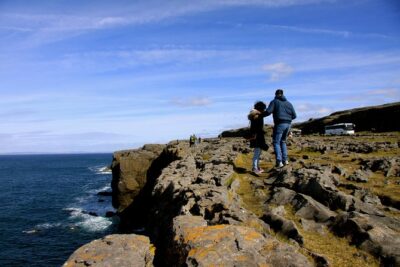
Dublin to Cliffs of Moher, Burren, Wild Atlantic Way, Galway Tour
Read our review →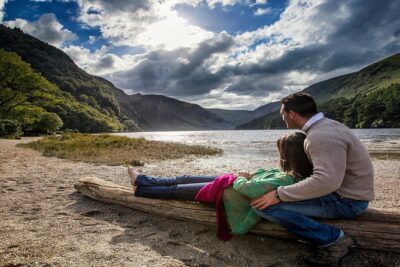
Kilkenny, Wicklow Mountains & Glendalough Day Tour from Dublin
Read our review →
Wicklow Mountains, Glendalough & Kilkenny Tour
Read our review →