
Reviewed · 3-DAY EXPERIENCES
From Dublin: 3-Day Dingle, Killarney & the Wild Atlantic Way
Ireland gets wilder by the mile. This three-day trip packs Glendalough, Dingle Peninsula, Killarney National Park, and the Rock of Cashel into one well-planned route, giving you a broad taste of southern Ireland without renting a car. I like the small 16-seat coach and the mix of spiritual ruins, coast roads, villages, and medieval sites. I also like that you spend two nights in Dingle instead of changing hotels every night.
The main compromise is pace. You cover a lot of ground in three days, and some stops are short. Your lodging may sit a 20 to 30-minute walk from pubs and restaurants, and the $684 price does not include meals or admission fees. Still, the trip offers strong value if you want an informed driver-guide, simple local lodging, and a route that would be tiring to organize alone.
In This Review
- Key things to know before booking
- Why this three-day route works
- Day one: Glendalough, Dunamase, Adare, and the road west
- Two nights in Dingle, with a practical lodging caveat
- Day two: the full sweep of Dingle Peninsula
- Day three: Inch Beach, Torc Waterfall, and Killarney
- Transport, weather, and the real pace of the trip
- Who should book this trip?
- Is the $684 price fair?
- Should you book the Dingle and Killarney tour?
- FAQ
- Where does the tour leave from in Dublin?
- Where does the tour end?
- What time does the tour return to Dublin?
- How long is the experience?
- What type of transport is provided?
- Is accommodation included?
- Are meals and admission fees included?
- How much luggage can I bring?
- Is the tour suitable for children?
Key things to know before booking
- Dingle is the heart of the trip: Two nights here give you time to see the peninsula properly instead of treating it as a quick roadside stop.
- The coach holds only 16 people: A smaller vehicle makes narrow roads and quick scenic stops easier than a full-size bus.
- Day one is the longest sightseeing day: Glendalough, Kilcullen, Dunamase, Adare, and the drive to Dingle make for a full start.
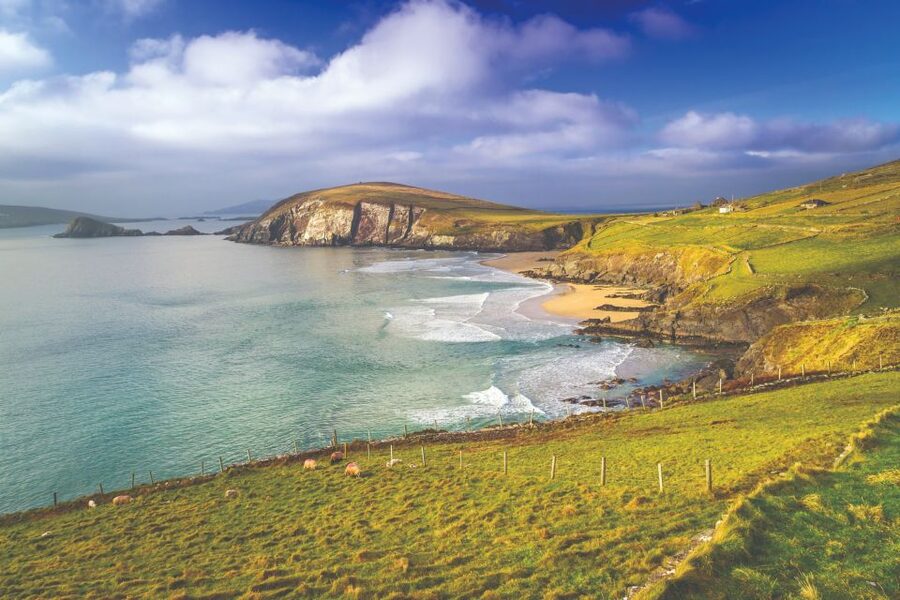
- The Wild Atlantic Way takes center stage on day two: Conor Pass, Slea Head, Gallarus Oratory, the Beehive Huts, and Tóchar Maothaithe fill the day.
- The return to Dublin is not early: Plan to arrive back around 7:00 PM on day three.
- Guiding can make or break the experience: Tom receives especially warm praise for his storytelling, flexibility, and safe driving in poor weather.
Why this three-day route works
Ireland is easy to underestimate on a map. Dublin may look close to Dingle, but the roads, bends, stops, and mountain passes turn the journey into a proper expedition by car. This route takes care of the driving while giving you a useful blend of famous sights and less obvious stops.
The strongest feature is the overnight plan. You sleep in Dingle for two nights, so day two can focus on the peninsula rather than luggage, check-in, and another hotel. That makes a major difference. Dingle is not simply a base for the coast roads. It is a small County Kerry town with pubs, local life, and a strong connection to the Irish language.
The 16-seat Mercedes mini-coach keeps the group small enough for a more personal day. You are not guaranteed a particular guide, but the driver-guide is central to the trip. A good guide can turn a long drive into a moving history lesson, point out scenery you might miss, and adjust the rhythm when rain or wind arrives. Tom is singled out for excellent storytelling, kind attention to the group, and careful driving during flooding and strong winds.
The cost is $684 per person. That is not a budget bus ride, especially since meals, drinks, and entrance fees are extra. Yet the price includes transport for three days, a driver-guide, breakfast, and two nights in an en-suite B&B or guesthouse. Compare that with arranging a rental car, fuel, lodging, parking, and navigation through narrow roads. If you are comfortable with modest accommodation and want someone else to handle the driving, the price is easier to justify.
More Wild Atlantic Way trips:
- Dingle Peninsula Tour from Killarney: Including Wild Atlantic Way
★ 3.5 · 22 reviews - Dublin to Cliffs of Moher, including Wild Atlantic Way and Galway
★ 5.0 · 23,331 reviews - Dublin to Cliffs of Moher, Burren, Wild Atlantic Way, Galway Tour
★ 5.0 · 12,924 reviews
Day one: Glendalough, Dunamase, Adare, and the road west
The trip begins opposite the Kilkenny Shop at 6 Nassau Street in Dublin 2. The first major stop is Glendalough, reached through the Wicklow Mountains. This valley is a fine opening chapter because it is both quiet and visually striking.
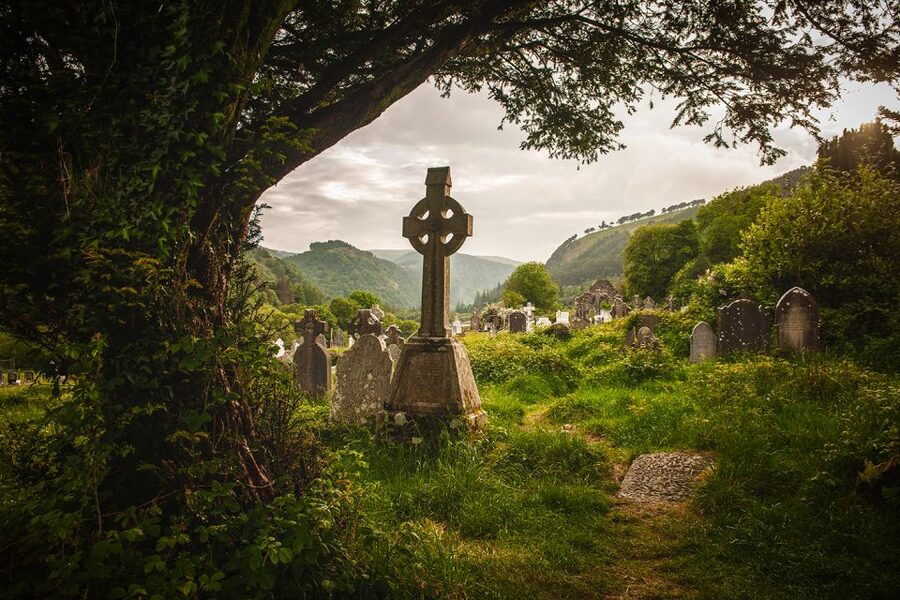
Glendalough is known for its early monastic settlement, set beside lakes and surrounded by hills. You get free time to walk among the ruins, take in the water and valley, and visit the center that explains the site. The appeal is not only the stone remains. It is the feeling of a secluded religious community far removed from Dublin’s streets.
You should wear shoes that can handle uneven ground and bring a waterproof layer. The time here is free rather than tightly scripted, which gives you room to set your own pace. If you want every sign read and every path explored, you may wish the stop were longer. If you prefer a calm first outing, Glendalough works well.
Afterward, the coach continues toward Kilcullen for lunch. The town provides a practical pause before the afternoon stops. Meals are not included, so you choose and pay for your own food. That gives you some freedom, though it also means you need to budget beyond the tour price.
The next stop is the Rock of Dunamase in County Laois. Its ruined castle sits high on an outcrop in the old plains of the county. The setting matters here: the remains are not presented as a polished attraction, but as a rough, open site where the position of the fortress helps explain its past use.
Then comes Adare, often called Ireland’s prettiest village. Its thatched cottages give the town a distinctive look, while older buildings and the remains of a 15th-century Franciscan Monastery add substance beyond the postcard view. Adare is a pleasant contrast to Dunamase. Instead of a lonely ruin above the countryside, you get a village stop with streets, cottages, and places to pause.
The day ends in County Kerry and Dingle. This is a long travel day, but the sequence is sensible. You begin with a wooded mountain valley, move through open country and medieval ruins, then finish among the western roads and Irish-speaking districts of the Dingle Peninsula.
Two nights in Dingle, with a practical lodging caveat
Your accommodation is selected from small, locally owned B&Bs and guesthouses. Rooms are en suite, and breakfast is included. This type of lodging suits you if you prefer a personal, modest place over a large chain hotel.
There is one important catch. Some B&Bs are on the outskirts of town, and you may face a 20 to 30-minute walk to pubs and restaurants. That is manageable in good weather, but less appealing after a full day of coastal sightseeing or in strong rain. Ask about the location when booking if evening access matters to you.
The properties may not have lifts. If stairs are difficult, mention this in advance. The tour can take that need into account, but you should not assume step-free access.
Dingle itself is the right base for this route. Two nights mean you can leave your larger bag in one room while spending the next day on the peninsula. The luggage rule still matters: each person may bring up to 14 kilograms, with one carry-on-sized piece measuring about 55 by 45 by 25 centimeters, plus a small personal bag for the coach.
Day two: the full sweep of Dingle Peninsula
Day two is the trip’s main coastal day. You travel into the Gaeltacht, the parts of Ireland where Irish is the principal language of local people. That gives the peninsula a strong cultural identity alongside its dramatic sea views.
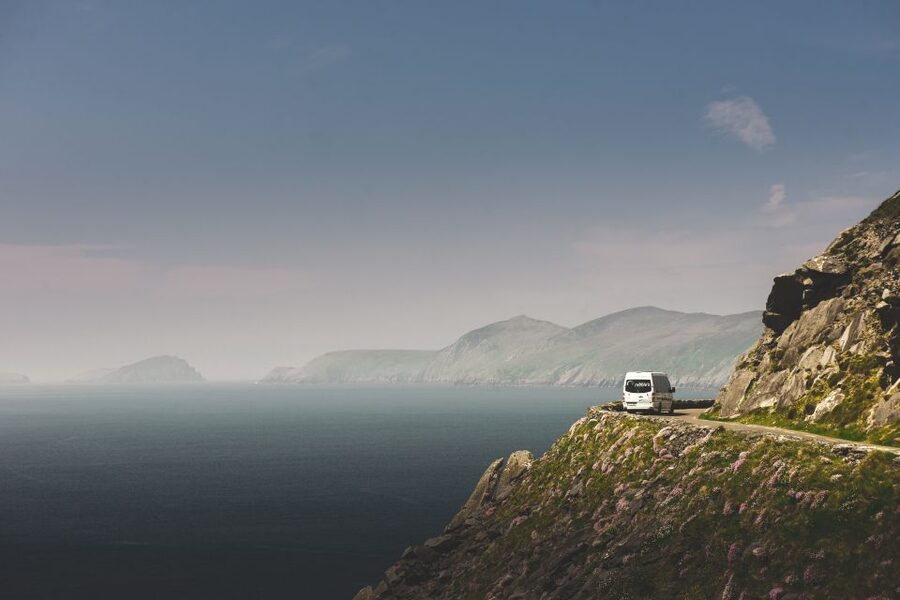
Conor Pass is one of the day’s major sights. The road reaches high ground, with views across the peninsula and surrounding mountains. Weather can change quickly here, and wind or mist may affect what you see. That is part of the deal with the Atlantic coast. On a clear day, the views are broad and memorable. On a wet day, the weather becomes part of the story.
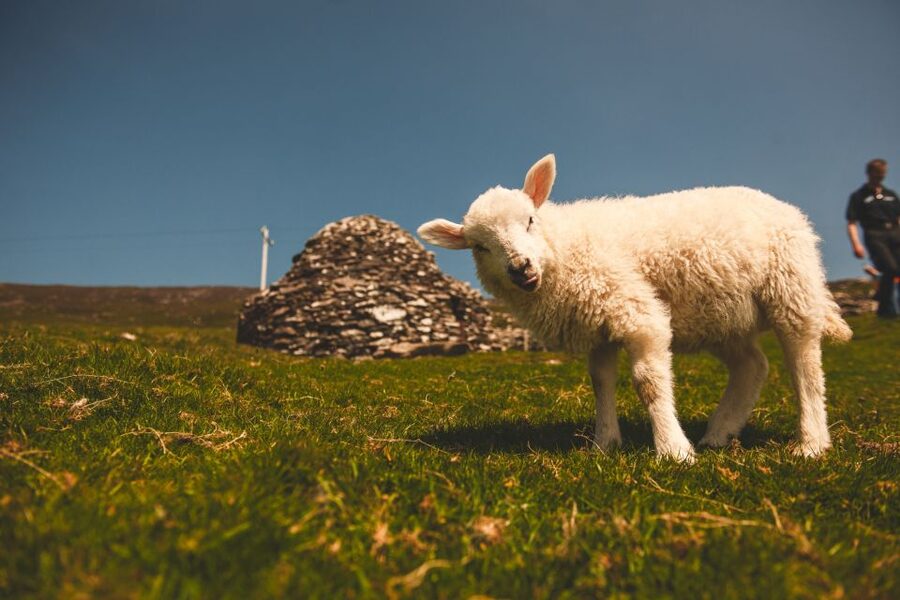
The route also includes Tóchar Maothaithe, the Beehive Huts, Slea Head, and Gallarus Oratory. These stops reward curiosity more than speed. The Beehive Huts are old dry-stone structures built in a shape that narrows upward. Their simple construction shows how much can be made from local stone without mortar.
Gallarus Oratory is another memorable stone building, with a shape often compared to an upturned boat. It is a small structure, so you should not expect a grand interior or a long visit. Its value comes from its form, age, and setting within the western peninsula.
Slea Head brings the sea closer. This section of the route is known for rugged coastal views, and the narrow roads make a mini-coach more practical than a large vehicle. You should expect bends, occasional stops for photographs, and a day shaped by the road rather than by a strict city-style schedule.
The peninsula is also one of the best places on this trip to notice the connection between place and language. The route is not only a scenic drive. It takes you into an area where Irish remains part of daily community life. Your guide’s explanations can help you understand why Dingle feels different from more heavily visited parts of Ireland.
A full day on Dingle Peninsula is an advantage, but it can still feel busy. You will see several major points, yet you will not have unlimited time at each one. I would treat this as a broad introduction rather than a slow, specialist tour of archaeology or hiking. You get the outline, the best viewpoints, and enough time to understand why the peninsula is such a strong part of the Wild Atlantic Way.
A few more ways to spend a day in Killarney
- Guided Climb of Carrauntoohil with KerryClimbing.ie
★ 5.0 · 1,114 reviews - Lakes of Killarney: Boat Cruise
★ 4.7 · 778 reviews - NO 1 Ring of Kerry Tour inc Killarney Lakes & National Park
★ 4.5 · 620 reviews - Full-Day Ring of Kerry Tour from Killarney
★ 4.5 · 616 reviews
Day three: Inch Beach, Torc Waterfall, and Killarney
Before leaving Dingle, the coach stops at Inch Beach. The beach gives you a look toward the Kerry Mountains and the direction of Killarney National Park. It is a useful transition point, linking the open coast with the inland scenery ahead.
The route continues past several lakes before reaching Torc Waterfall. You take a short walk to the 20-meter cascade, which begins high in the mountains. The stop is not a demanding hike, but you should still wear sensible footwear, especially after rain.
The waterfall comes with an old curse story, one of the legends that gives Irish places their extra layer of character. Your guide is likely to provide the details during the stop or the drive. The water and wooded setting make Torc a pleasant change from the exposed coast, though the short visit may leave serious walkers wanting more time.
Lunch is in Killarney, a lively lakeside town and a useful place to pause before the final historic site. Killarney is one of the better-known visitor bases in County Kerry, so this stop feels more social and active than the small roads around Dingle. You pay for lunch yourself, and the break gives you a chance to buy food before the long return to Dublin.
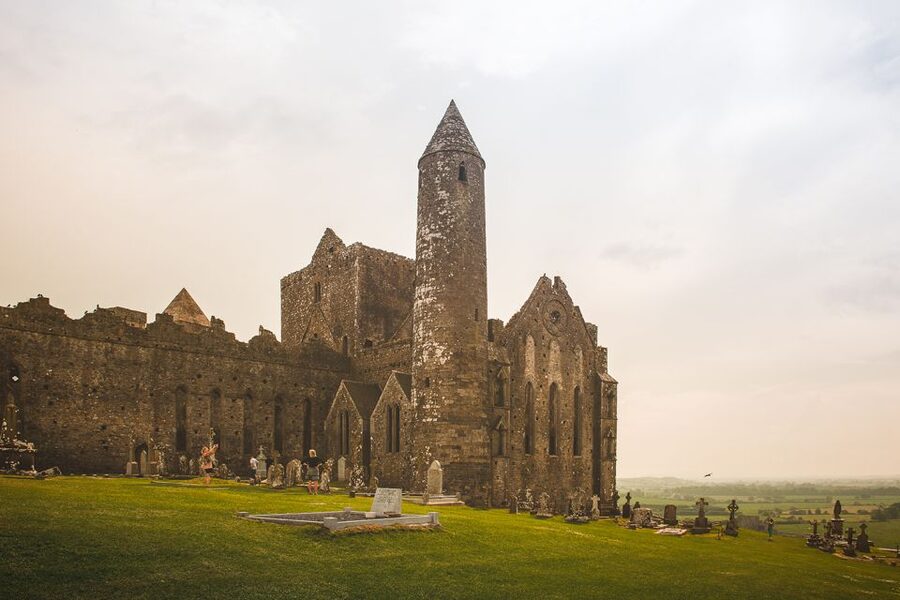
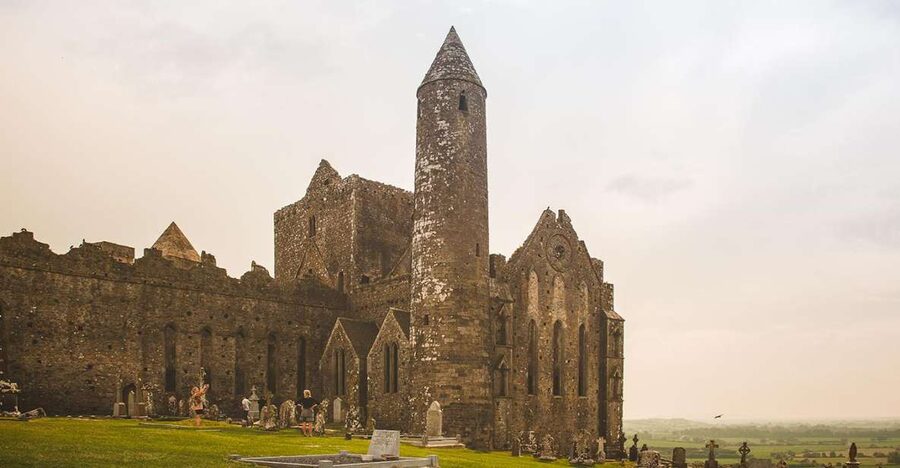
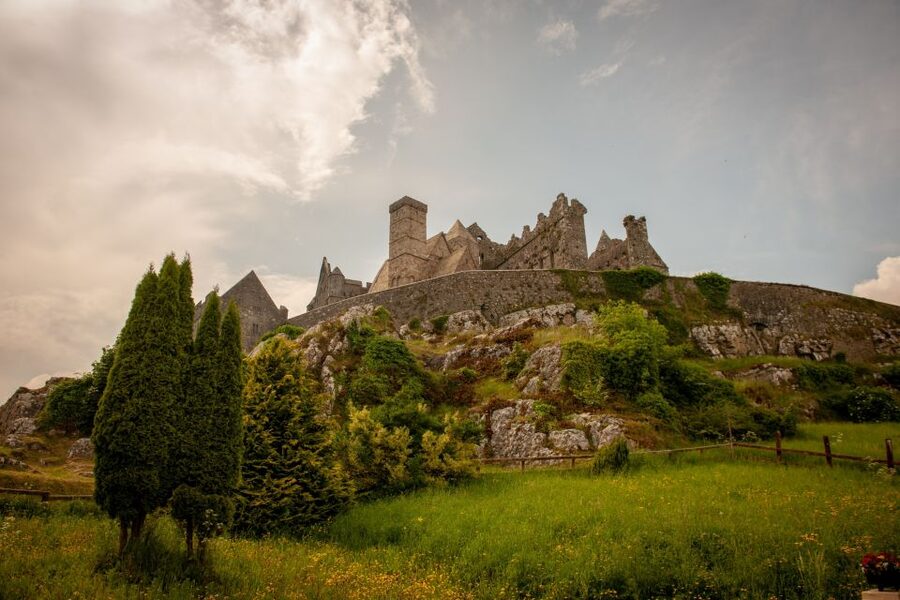
The final major stop is the Rock of Cashel. This dramatic group of medieval buildings sits on a limestone outcrop, giving it a commanding view over the surrounding countryside. The site includes a Round Tower, High Cross, and Gothic Cathedral.
Cashel is a fitting final stop because it brings together the religious and military threads that appeared earlier at Glendalough and Dunamase. You can walk among substantial stone remains rather than simply viewing them from the coach. Admission is not included, so keep extra money available if you want to enter the site.
After Cashel, you have a long drive back to Dublin. The tour ends at the original meeting point at about 7:00 PM. Do not schedule a tight evening flight or an important dinner reservation. Delays from traffic, weather, or road conditions are always possible on a route this long.
Transport, weather, and the real pace of the trip
The 16-seat Mercedes mini-coach is an important part of the experience. It is smaller than a standard tour bus, which helps on narrow coastal roads and makes the group feel less anonymous. You still spend a fair amount of time seated, especially on day one and during the return to Dublin.
This is not a trip for people who want complete independence. The schedule, stops, and driving are organized for you. In exchange, you avoid the stress of left-side driving, finding parking, and judging narrow roads on the peninsula.
Weather deserves serious attention. Strong winds, flooding, rain, and low visibility can affect the route. One particularly praised guide, Tom, handled difficult conditions with care while keeping the group comfortable. That kind of driving is more valuable than a dramatic commentary style when Atlantic weather arrives.
Pack a waterproof jacket, layers, shoes with a firm sole, and only the permitted amount of luggage. A small personal bag on the coach is useful for water, snacks, and a camera. Meals and refreshments are not included, so you should plan to buy food during the scheduled breaks.
Who should book this trip?
I would recommend it to you if you want to see several major Irish sights without hiring a car. It suits first-time visitors who want a carefully arranged route, couples and friends who enjoy small-group travel, and solo visitors who prefer company during long drives.
It also fits you if local B&Bs sound appealing and you are happy with a simple room that may be outside the town center. The two-night stay in Dingle is especially useful for anyone who wants more than a quick photo stop on the peninsula.
I would hesitate if you want long hikes, late mornings, or a luxury hotel. The itinerary is active, the coach days are substantial, and admission fees and meals add to the advertised price. Families can join from age five, but younger children may find the long driving periods tiring.
Is the $684 price fair?
At $684, this is a substantial purchase. You need to add the cost of lunches, drinks, and entry fees, so the final total will be higher. Still, you are paying for three days of transport, a driver-guide, two nights of en-suite accommodation, and breakfast.
The value is strongest if you do not want to drive in Ireland. A rental car would give you more freedom, but you would also handle navigation, fuel, parking, road conditions, and the fatigue of long drives. This trip lets you look out the window and listen to stories instead.
The price is less attractive if you already have a car and prefer to choose your own stopping points. You would also need to accept the fixed timing. For a small-group guided trip through Dingle and Killarney, though, the package is reasonable if the included lodging meets your expectations.
Should you book the Dingle and Killarney tour?
Book it if your priority is variety: mountain valley, monastic ruins, thatched village, Atlantic coast, Irish-speaking districts, waterfall, lakeside town, and medieval stonework, all in three days. The route gives you a useful first look at southern Ireland and leaves the driving to a guide.
Skip it if you need a slow holiday or want to explore Dingle on your own terms. The best reason to choose this trip is the combination of a small coach, two nights in Dingle, and strong driver-guide service. If Tom is leading your departure, his storytelling and careful handling of rough weather could make the long roads feel far easier.
FAQ
Where does the tour leave from in Dublin?
The tour departs from opposite the Kilkenny Shop at 6 Nassau Street, Dublin 2.
Where does the tour end?
The tour returns to the same meeting point in Dublin.
What time does the tour return to Dublin?
The tour is expected to arrive back in Dublin at around 7:00 PM on day three.
How long is the experience?
The trip lasts three days and includes two nights away from Dublin.
What type of transport is provided?
Transport is provided in a 16-seat Mercedes mini-coach.
Is accommodation included?
Yes. Two nights of en-suite B&B or guesthouse accommodation are included, along with breakfast.
Are meals and admission fees included?
No. Meals, drinks, refreshments, and admission fees are not included in the tour price.
How much luggage can I bring?
You may bring up to 14 kilograms of luggage. This should be one carry-on-sized piece, approximately 55 by 45 by 25 centimeters, plus a small personal bag for the coach.
Is the tour suitable for children?
The minimum age is five years old. Children under five cannot take part.
Newest in Killarney
- Valentia Island : The Experience★ 4.0 · 6 reviews
- Ballygary Estate Tralee to Shannon Airport Premium Car Service★ 5.0 · 1 review
- Self Guided Bike Tour on the Tralee to Fenit Greenway★ 5.0 · 3 reviews
- Skellig Micheal Ring★ 5.0 · 1 review
- Private Tour: Ring of Kerry from Sneem and Parknasilla.★ 5.0 · 3 reviews
- The Valentia Island Experience★ 5.0 · 44 reviews
- Private Tour: Ring of Kerry from Kerry. Dingle, Tralee etc.★ 5.0 · 12 reviews
- Historical Walking Tours in Valentia and the Skellig Region★ 5.0 · 2 reviews
3-Day Experiences, compared.

3-Day Blarney Castle, Ring of Kerry, & Cliffs of Moher Rail tour
Read our review →
3-Day Southern Ireland Tour Including Galway and Kerry from Dublin
Read our review →
3-Day Northern Ireland Tour from Dublin: Giant’s Causeway & Titanic Experience
Read our review →
3-Day Cork, Ring of Kerry, Ciffs of Moher Tour
Read our review →
3-Day Cliffs of Moher, Connemara and Aran Islands Rail Tour from Dublin
Read our review →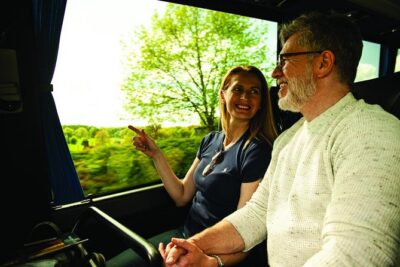
3-Day West Coast Explorer from Dublin Including Admission
Read our review →
Ireland: Blarney Castle, Kilkenny & Irish Whiskey 3-Day Tour
Read our review →Browse the lists this tour appears in