
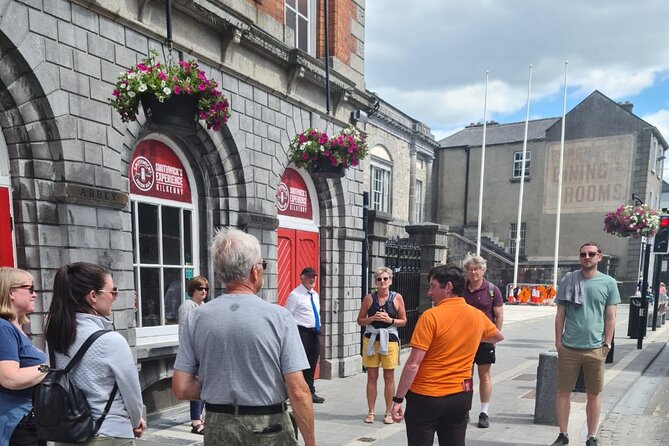
Reviewed · CITY TOURS
Kilkenny from Medieval to Modern City. Private Walking Tour
Kilkenny rewards a slow start. This two-hour private walk links medieval churches, old city gates, Tudor architecture, and the castle, giving you a useful map of the city before you explore alone. I like the way it mixes major sights with small details, from the Black Abbey’s stained glass to the odd story behind the Butter Slip. I also like the flexible format, since your guide can adjust the pace and focus.
The main consideration is weather. This is an outdoor walking tour, and Kilkenny rain can change the mood quickly. The route requires moderate physical fitness, though guide John has adapted the walk for groups with limited mobility and found warm, dry places during a particularly wet outing.
In This Review
- Key points to know before you book
- Starting at Rose Inn Street and getting your bearings
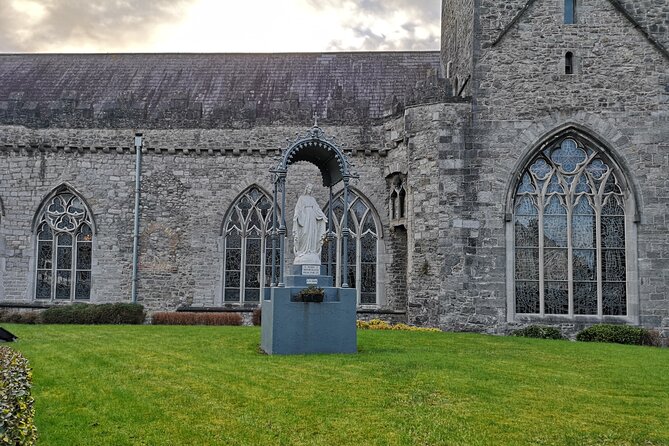
- Black Abbey and the story behind an 800-year-old church
- From priory to Butler Gallery
- Buildings with several lives
- The surviving city gate and Kilkenny’s famous product
- Rothe House and a Tudor facade
- Dame Alice Kyteler and Kilkenny’s darker story
- The Butter Slip and the city’s center
- Shee Alms House and the purpose of charity
- Ending at Kilkenny Castle
- Why the private format matters
- Price, pace, and who gets the best value
- Should you book this Kilkenny walking tour?
- FAQ
- How long does the Kilkenny walking tour last?
- Where does the tour begin?
- Where does the tour end?
- Is this a private tour?
- What language is the tour offered in?
- Can I enter the Black Abbey?
- Is the tour suitable for people with limited mobility?
- What happens if the weather is poor?
Key points to know before you book
- John leads with local stories: His friendly, personal style is a major part of the experience, especially for first-time visitors.
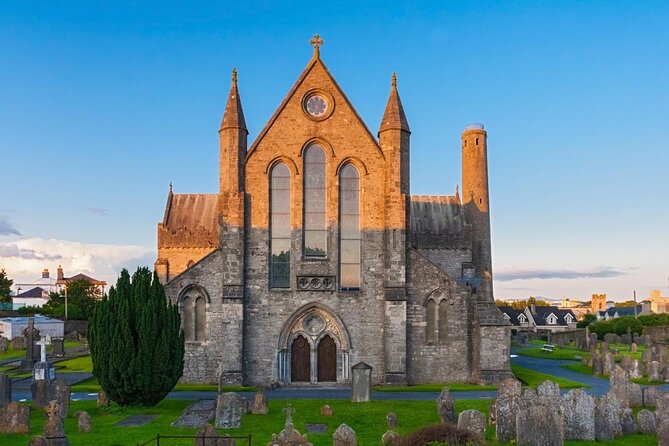
- The Black Abbey is a highlight: Except on Sundays, you can step inside this 800-year-old church and see its stained glass windows.
- You can shape the walk: Private touring gives your group room to ask questions, linger, or revisit areas that catch your interest.
- The route connects old and new Kilkenny: You move from medieval religious sites and city gates to galleries, shops, civic buildings, and Kilkenny Castle.
- The price works best for a group: At $119.83 for up to 15 people, the cost becomes good value when shared by several people.
- Plan for rain and walking: The tour is approximately two hours, requires moderate fitness, and may be changed or refunded if poor weather cancels it.
Starting at Rose Inn Street and getting your bearings
The walk begins outside the Kilkenny Crystal Shop at 19 Rose Inn Street. That is a practical meeting point because it places you close to the historic center, with the city’s old streets and landmarks within easy reach.
I like starting a city visit with a guide rather than rushing straight into a major attraction. Kilkenny has enough churches, lanes, old houses, and legends to blur together if you see them without context. A local guide can give you the basic city story first, then point out places you may want to return to later.
This is a private activity, so only your group takes part. That matters more than it might seem. You can ask why a building matters, stop for a photograph, or request more detail about a particular period without waiting for a large group to catch up.
The tour is offered in English and lasts about two hours. That is long enough to cover a useful collection of sights, but short enough to fit into a busy day in Kilkenny. It works especially well on your first morning, since you can use the walk to decide where to spend the rest of your time.
More Walking Tours in Kilkenny:
- Shenanigans Walks – Guided Walking Tour in Kilkenny
★ 5.0 · 485 reviews - Kilkenny Walking Tour with Local Certified Guide
★ 5.0 · 274 reviews - Walk the Medieval Mile with Pat
★ 5.0 · 132 reviews
Black Abbey and the story behind an 800-year-old church
Black Abbey is the clearest early highlight. From outside, John explains the story of this 800-year-old church and the religious community connected with it. Except on Sundays, you can go inside for a short visit and admire the stained glass windows.
The interior stop is listed at about five minutes, so you should not expect a long church visit. Still, a short look inside changes the experience. The windows give you something visual to remember while the guide supplies the setting and background.
Sunday is the important exception. The church cannot be entered as part of the walk on that day, so your experience will be exterior-only at this stop. If seeing the stained glass is high on your list, choose another day.
Black Abbey also helps explain why Kilkenny feels different from an ordinary Irish market town. Religious buildings are not isolated museum pieces here. They are part of the city’s street pattern, and you encounter them while walking between shops, homes, and public buildings.
From priory to Butler Gallery
The route then explains what happened to a former priory and how the site changed into the Butler Gallery. This is one of the tour’s useful old-to-new connections.
You are not simply looking at an old religious building. You are seeing how a site can be given another purpose over time. The change from priory to gallery makes Kilkenny’s past feel less sealed away. Medieval foundations and later cultural life occupy the same city.
The amount of time spent here depends on your group’s questions and pace. The supplied details do not promise gallery admission, so treat this as an exterior history stop rather than a full art museum visit. If you want to explore the Butler Gallery in depth, you may need to return separately.
That is one of the strengths of a first walk. It tells you which places deserve another hour later, rather than trying to force every attraction into a rushed schedule.
Buildings with several lives
Another stop focuses on a site that has served many functions over the years. The exact emphasis can vary with the guide and your interests, but the point is clear: Kilkenny’s buildings have often been reused rather than discarded.
I enjoy this kind of stop because it asks you to read the city in layers. A building may look quiet today, yet its earlier roles can include religious, civic, residential, or charitable use. You begin to notice that the city is not just a collection of old facades. It is a record of changing needs.
John’s style, based on the feedback provided, suits people who like questions and stories rather than a rapid list of dates. Several groups praised his friendly manner and ability to answer questions. That makes the less obvious buildings worthwhile, since a good explanation can turn an ordinary doorway into a memorable stop.
A few more ways to spend a day in Kilkenny
- Smithwick’s Experience Kilkenny Entrance Ticket
★ 5.0 · 601 reviews - Kilkenny Boat Trip
★ 5.0 · 323 reviews - Kilkenny Haunted Dark Tours
★ 4.5 · 221 reviews - Kilkenny: Guided City Boat Tour with Kilkenny Castle Views
★ 4.9 · 161 reviews
The surviving city gate and Kilkenny’s famous product
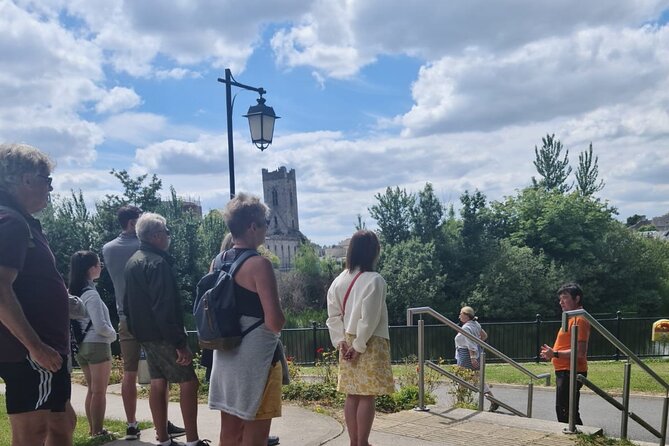
The walk includes the last surviving example of Kilkenny’s original gates. This is a compact but important reminder that the medieval city was once enclosed and controlled through specific entry points.
A remaining gate can be easy to pass without noticing. With a guide, you get the reason it mattered and a better sense of the old city’s boundaries. It also gives the walk a strong physical link to medieval Kilkenny, rather than leaving the period as an abstract story.
You also learn about one of the best-known products associated with Kilkenny. The information provided does not specify how long this stop lasts or whether it includes a tasting or shopping visit, so do not book expecting a food demonstration. Think of it as a useful piece of local identity, especially if you are curious about what Kilkenny is known for beyond its castle.
Rothe House and a Tudor facade
Rothe House is the likely Tudor-period house included in the route, and its original facade is one of the most rewarding architectural details in central Kilkenny.
The value here is visual. You can see how a prominent urban home presented itself in the Tudor period, then compare it with the later buildings around it. The tour keeps you alert to details you might otherwise miss, such as the age of the frontage and the way the house fits into the medieval street plan.
The stop is described as a view of one of Ireland’s most historic houses with its original Tudor facade. Admission inside is not included in the information provided, so plan on an exterior explanation unless your guide tells you otherwise.
For a first visit, that may be enough. You get the story and the location, then you can choose to return if the house interests you more than another attraction.
Dame Alice Kyteler and Kilkenny’s darker story
Kilkenny’s most notorious inhabitant is introduced during the walk. This points to Dame Alice Kyteler, whose story brings accusations, superstition, and medieval power struggles into the city’s past.
This is the kind of tale that helps a walking tour stick in your mind. Churches and houses tell you how people built the city. Alice Kyteler’s story reminds you how fear and rumor could shape a person’s fate.
I would not expect a full lecture on every detail of the case during a two-hour walk. Instead, you get the essential local story, told in the place where it belongs. John’s strength appears to be storytelling with a personal touch, and this stop gives him a natural chance to make the past feel immediate without turning the tour into a dry classroom lesson.
The Butter Slip and the city’s center
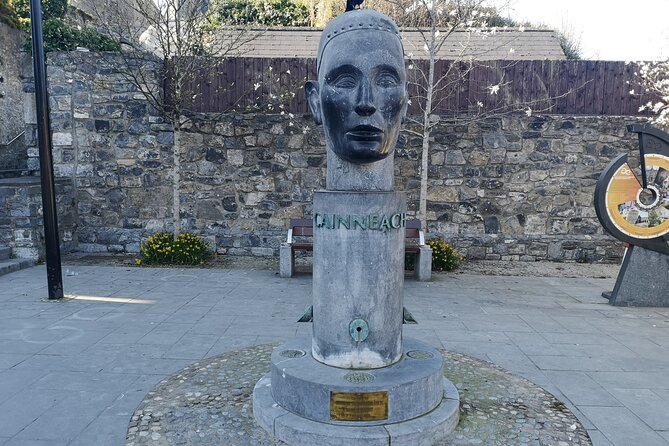
The Butter Slip is one of Kilkenny’s most memorable names. The tour asks whether it really is as slippery as butter, then uses the lane to explain the character of this old part of town.
The narrow passage is a good example of why walking works better than sightseeing from a vehicle. You notice the scale of the lane and the way it links the city’s older streets. It is also a fun break from formal church and house history.
The route then reaches the dead center of Kilkenny, the Market Cross area. This gives you a practical reference point for future wandering. Once you know where the center lies, it becomes easier to find your way back to the castle, shops, cafes, and other historic streets.
I especially like this part for first-time visitors. The tour is not just showing you attractions. It is giving you a mental map, so later walks feel less random.
Shee Alms House and the purpose of charity
The former Shee Alms House provides a chance to ask a simple question: why build a house for poor people?
That question opens the door to the social side of Kilkenny’s past. Historic buildings often focus attention on wealthy families, powerful institutions, and impressive architecture. An almshouse points toward poverty, charity, and the responsibilities that communities placed on wealthy citizens or religious foundations.
The stop is valuable because it broadens the walk beyond grand monuments. You see that city history includes ordinary hardship as well as famous names. The building’s purpose also helps explain why charitable institutions were built into the urban fabric.
As with several stops, the main benefit comes from the explanation rather than a long interior visit. The route is designed as a city introduction, not a series of extended admissions.
Ending at Kilkenny Castle
The tour ends at Kilkenny Castle, the city’s most famous building. It also returns you to the same meeting point at the end of the activity, according to the tour details, so the walk forms a convenient loop.
Finishing at the castle makes sense. After seeing churches, gates, old homes, lanes, and charity buildings, you arrive at the place most closely linked with Kilkenny’s political and architectural story.
The castle is also a useful place to continue your day. The tour itself does not promise an interior visit, so you should allow separate time if you want to go inside. The guide’s explanation can help you decide if that is the right next stop for your group.
Ending here gives the two-hour walk a clear shape. You begin with Kilkenny’s religious and medieval foundations, pass through domestic and civic history, and finish with its best-known landmark.
Why the private format matters
The strongest feature is not simply the number of places covered. It is the ability to adjust the walk around your group.
John has shown patience with people who could not walk quickly and has responded well to physical limitations. The route is planned with wheelchair users in mind, although the official details still ask for moderate physical fitness. I would discuss mobility needs before booking, since individual access conditions can vary from one historic site to another.
The private setup also helped one group make time to climb the St Canus round tower, even though that was not part of the fixed route described here. That example shows what flexibility can mean in practice. You may be able to spend more time at a site that matters to you, but any extra stop or climb should be agreed with the guide.
Rain is another reason to choose private touring. During one wet outing, John found warm, dry places and adjusted the plan. The experience requires good weather, and if poor conditions force a cancellation, you are offered another date or a full refund.
Price, pace, and who gets the best value
The cost is $119.83 per group of up to 15 people. For one or two people, that is a noticeable expense for a two-hour walk. For a family or larger party, the per-person price drops quickly, making the private format much more attractive.
You are paying for a local guide, a route shaped around your group, and the chance to ask questions without sharing the guide’s attention with strangers. You are not paying for a long series of attraction admissions, since the listed Black Abbey visit is free and the other stops are primarily exterior explanations.
I see this as a strong opening activity for a first visit to Kilkenny. It helps you choose where to return, gives you the city’s basic story, and avoids spending your first hours wandering without a plan.
The tour suits families, couples, history fans, and small groups who prefer conversation to a fixed script. It is also a good choice for groups with mixed walking speeds, provided you discuss needs in advance.
Should you book this Kilkenny walking tour?
Book it if you want a friendly local introduction, enjoy stories tied to real buildings, and value a private pace. John receives especially strong praise for patience, warmth, local knowledge, and his ability to adapt the walk to the group.
I would be more cautious if you want long interior visits, a formal museum tour, or a full-day historical program. This is a compact orientation walk, and some sites are viewed from outside.
For most first-time visitors with two hours to spare, I think the tour earns its place early in a Kilkenny stay. Choose a non-Sunday date if the Black Abbey windows matter to you, allow for Irish weather, and use the castle finish as a springboard for the rest of your day.
FAQ
How long does the Kilkenny walking tour last?
The tour lasts approximately two hours.
Where does the tour begin?
It begins outside the Kilkenny Crystal Shop at 19 Rose Inn Street, Gardens, Kilkenny, R95 VXD0, Ireland.
Where does the tour end?
The activity ends back at the meeting point.
Is this a private tour?
Yes. Only your group participates, with a maximum group size of 15 people.
What language is the tour offered in?
The tour is offered in English.
Can I enter the Black Abbey?
You can enter the Black Abbey and see its stained glass windows except on Sundays. Admission for this stop is free.
Is the tour suitable for people with limited mobility?
The tour requires a moderate level of physical fitness, but the route is planned with wheelchair users in mind. A guide has also adapted the pace for people with physical limitations.
What happens if the weather is poor?
The experience requires good weather. If it is canceled because of poor weather, you are offered a different date or a full refund. You can also cancel up to 24 hours before the start time for a full refund.
Newest in Kilkenny
- Waterford Crystal & Kilkenny City Small Group Tour★ 4.7 · 6 reviews
- Kilkenny Food and Brewery Tour★ 4.5 · 6 reviews
- Guided tour of Kilkenny in French with an Irish guide★ 5.0 · 26 reviews
- The Medieval Mile Museum Guided Tour★ 5.0 · 155 reviews
- Knight For Hire Tour★ 5.0 · 63 reviews
- Medieval Mile Museum Self Guided Audio Tour★ 5.0 · 91 reviews
- Walk the Medieval Mile with Pat★ 5.0 · 132 reviews
- Medieval Mile Street Tour★ 5.0 · 24 reviews
City Tours, compared.

Cliffs of Moher, Burren & Galway City Day Tour
Read our review →

Dublin to Rock of Cashel, Cork City & Blarney Castle Guided Tour
Read our review →
City Sightseeing Dublin Hop-On Hop-Off Bus Tour
Read our review →

Go City: Dublin Pass | Save up to 50% – Includes 35+ Things To Do
Read our review →

Aran Islands and Cliffs of Moher Day Cruise sailing from Galway City Docks
Read our review →Browse the lists this tour appears in