Reviewed · DUBLIN TOURS
Windmill Lane Recording Studios – Visitor Experience
Studio doors hide plenty. Windmill Lane Recording Studios gives you a guided look at one of Dublin’s best-known music workplaces, with stories about major artists, a look at recording equipment, and hands-on sound activities. I like the small-group format, limited to 15 people, and I also like the chance to mix your own session instead of simply walking through silent rooms.
The main consideration is location and timing. The studio sits on Ringsend Road, outside Dublin’s most concentrated sightseeing area, and the visit lasts about an hour, so you will need to plan around its fixed start time. Since this is a working recording studio, advance booking is essential.
In This Review
- Key points before you book
- Why Windmill Lane matters in Dublin
- Getting to 20 Ringsend Road
- Entering the three studios
- From famous artists to real studio work
- Seeing how a recording session works
- Meeting the virtual band and mixing your own session
- Is the $31.44 price fair?
- Who will enjoy this most?
- Booking, group size, and timing
- The parts I would weigh carefully
- Should you book Windmill Lane Recording Studios?
- FAQ
- Where does the Windmill Lane Recording Studios tour start?
- How long does the experience last?
- What language is the tour offered in?
- How many people can join the tour?
- Is advance booking required?
- Can I cancel for a full refund?
Key points before you book
- A real working studio: You tour an active recording facility rather than a museum replica.
- Hands-on sound work: You get to mix your own session and see how recorded music is shaped.
- Three studio spaces: The visit includes access to three different studios, including the impressive Studio 1.
- A strong music pedigree: The tour connects the rooms with artists such as U2, Bruce Springsteen, and other major recording acts.
- Small groups matter: With no more than 15 people, you can ask questions and see the equipment without being lost in a crowd.
- Easy cancellation window: You can cancel up to 24 hours before the start time for a full refund.
Why Windmill Lane matters in Dublin
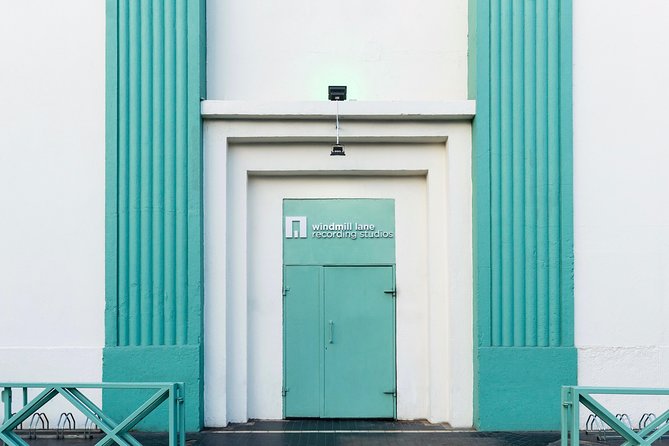
Dublin has no shortage of music stories, but Windmill Lane lets you see where the work happened. The studio has hosted major recording artists and has been part of the city’s rock and popular music story for decades.
That setting gives the tour its real value. You are not just looking at old photographs or reading a wall of names. You are inside rooms designed for recording, surrounded by equipment and spaces that continue to serve working musicians.
The atmosphere is especially appealing if you like the practical side of music. You can hear about how a session is built, how sound is captured, and how engineers shape a track after the performers have finished playing.
The studio’s past also gives the guide plenty to work with. Depending on the guide and the questions from your group, the stories can range from famous artists to technical details about producing an album.
A few more ways to spend a day in Dublin
- Dublin to Cliffs of Moher, including Wild Atlantic Way and Galway
★ 5.0 · 23,331 reviews - From Dublin: Cliffs of Moher, Burren & Galway City Day Tour
★ 4.8 · 18,888 reviews - Dublin: Guinness Storehouse Entry Ticket
★ 4.6 · 16,863 reviews
Getting to 20 Ringsend Road
The meeting point is Windmill Lane Recording Studios at 20 Ringsend Road, Dublin 4, D04 CF66. The tour returns to the same place, so you do not need to arrange a separate pickup or work out where to go afterward.
From the Trinity College area, the walk takes about 20 to 30 minutes, according to the practical advice shared by people who have made the trip. That walk is useful if you want to see a less tourist-focused part of Dublin along the way.
You can also use public transportation near the studio. The exact best route depends on where you are staying and the time of day, so allow enough time to arrive before your scheduled start.
The location is not a flaw, but it does affect your planning. If your day is packed with Trinity College, Dublin Castle, and the Temple Bar area, the round trip to Ringsend will take a noticeable part of your schedule. I would place this tour beside other plans in the Docklands or Ringsend area rather than treating it as a quick stop between central attractions.
Entering the three studios
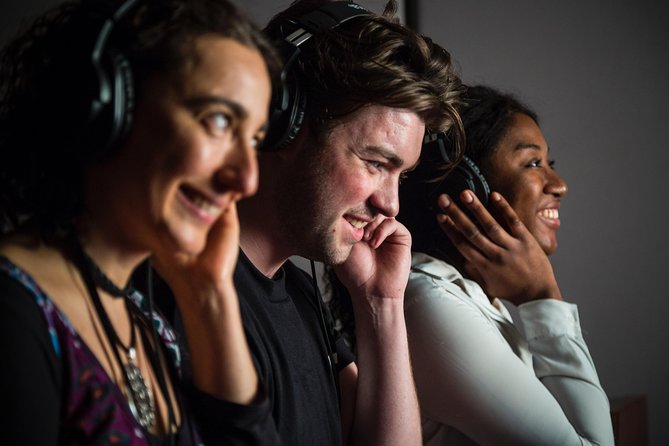
The tour begins with an introduction to the building and its role in Dublin’s recording scene. From there, your guide takes you through the studio spaces and explains how each part of the facility supports the recording process.
One useful feature is the chance to see three different studios. That gives you a better sense of how recording spaces can vary, rather than leaving you with one control room and a short talk.
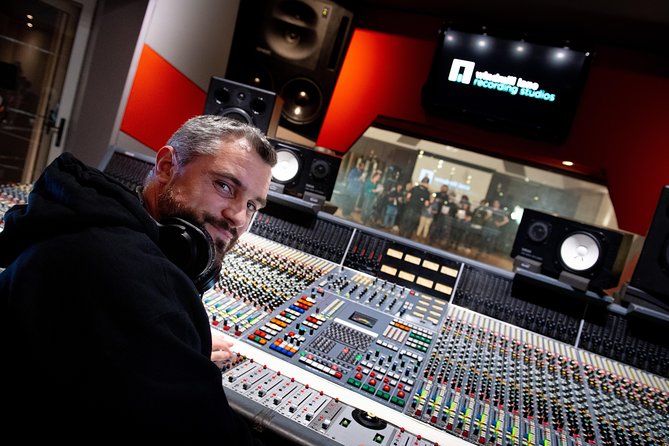
Studio 1 receives particular attention. It is linked with some of the most important recording work associated with Windmill Lane, and the large mixing board is one of the memorable sights of the visit.
For anyone interested in music production, the equipment is more than decoration. The board, rooms, and recording tools show the physical side of music making, a side that can disappear when you only hear the finished track on headphones.
You may also have opportunities to take photographs, depending on the guide and the studio’s working needs. Maria has been praised for allowing plenty of photo opportunities while answering questions, but remember that this is still an operating workplace. Access can be shaped by what is happening in the building that day.
From famous artists to real studio work
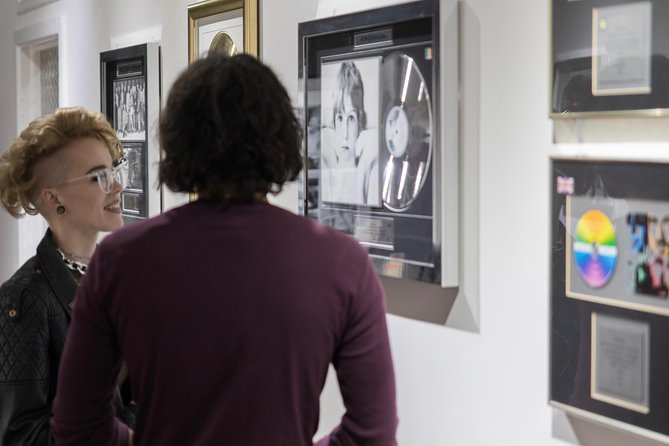
The guide explains which artists have recorded at Windmill Lane and connects their work to the rooms around you. The names mentioned in connection with the studio include major rock and popular music figures, with Bruce Springsteen among the artists recently associated with Studio 1.
That kind of detail works best when it is tied to the actual space. Hearing that a famous artist recorded in a room you are standing in feels more immediate than seeing a name on a plaque.
The stories are not limited to famous performers. The tour also covers the engineers, staff, and production work behind the records. That is important because a studio visit should not reduce music to celebrity sightseeing.
Guides bring different strengths. Maria has worked as a composer and engineer, which makes her a strong choice for detailed technical questions. Marie has also been praised for her enthusiasm and command of the subject, while Ross is known for an engaging presentation. One visit was even led by owner Naomi, giving the group a particularly direct connection to the company.
You should not expect every tour to have the same guide or the same stories. That is part of the appeal of a working studio, but it also means the exact emphasis may vary from one session to another.
Something completely different for another day:
- Dublin to Cliffs of Moher, Burren, Wild Atlantic Way, Galway Tour
★ 5.0 · 12,924 reviews - Dublin to Belfast Black Cab, Dunluce Castle and Giant’s Causeway
★ 5.0 · 7,954 reviews - Kilkenny, Wicklow Mountains & Glendalough Day Tour from Dublin
★ 5.0 · 7,897 reviews - From Dublin: Wicklow Mountains, Glendalough & Kilkenny Tour
★ 4.8 · 6,235 reviews
Seeing how a recording session works

The central lesson is simple: a finished song is built in stages. The guide shows how musicians, microphones, recording equipment, and engineers fit together during a session.
The explanation is designed for people with different levels of interest. If you know little about recording, you can follow the basic process without needing to understand every technical term. If you are a musician or sound enthusiast, you can ask more detailed questions about equipment and production choices.
A sound demonstration adds another layer. It helps show how sound affects what you hear and how changes in recording and mixing can alter the result.
This is where the tour earns its price more than a standard history talk would. You are not only learning that records were made here. You are getting a clearer idea of how the studio turns performances into the music you hear at home.
The session can also be useful for families or mixed-interest groups. One person may enjoy the famous artists, another may focus on the equipment, and someone else may simply enjoy the chance to try the controls.
Meeting the virtual band and mixing your own session
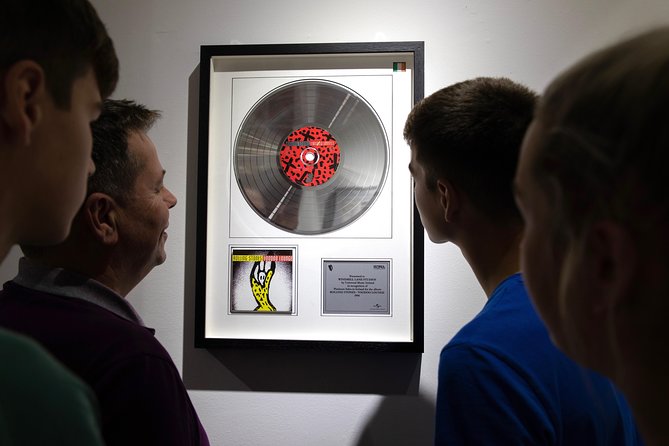
The virtual band is one of the tour’s most playful features. It gives you a way to see how individual parts can be combined into a complete performance.
You then get to mix your own session. This hands-on step turns the visit from a guided look at equipment into a short production exercise.
You may adjust elements of the recording and hear how the balance changes. The activity is approachable, but it also gives you a taste of the decisions an engineer has to make.
I like this part because it makes the technical material easier to remember. After you have tried to bring separate sounds together, the work behind a polished song feels less mysterious.
The activity is not a full recording course, and the one-hour format limits how far it can go. Think of it as a well-designed introduction, not a chance to produce a finished single. Still, it is enough to make the visit feel active rather than passive.
Is the $31.44 price fair?
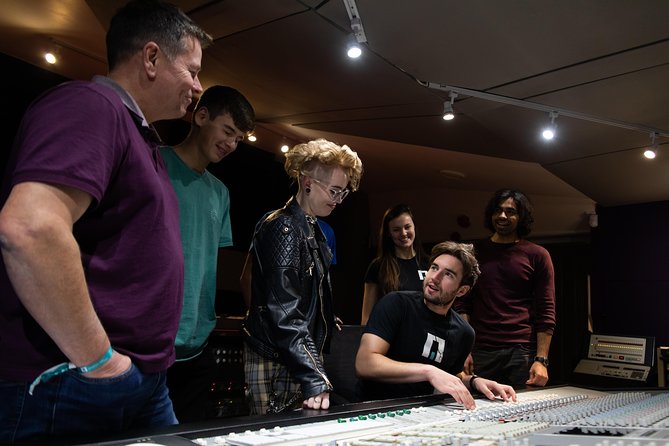
At about $31.44 per person, this is not the cheapest short attraction in Dublin. You are paying more than you would for a basic self-guided museum entry, but the comparison is not quite fair.
The price includes a guided visit to a working recording studio, access to multiple studio spaces, music history, demonstrations, and a mixing activity. The small maximum group of 15 also gives the tour a more personal feel than a large coach-style attraction.
For a serious music fan, the value is easy to understand. Seeing Studio 1, learning about the artists connected with the building, and handling the ideas behind a real recording session can justify the cost.
For someone with only a casual interest, the value depends on how much you enjoy interactive activities. The tour’s strongest feature is not the celebrity list alone. It is the combination of stories, equipment, sound demonstrations, and participation.
A small gift shop adds another option at the end. It is not large, but it carries a variety of music-related items, which can be useful if you want a modest souvenir rather than another generic Dublin product.
Who will enjoy this most?
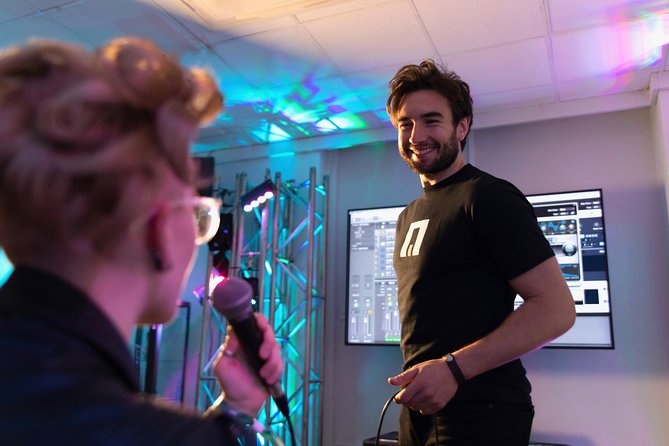
This is an easy choice for musicians, producers, audio students, and anyone who likes learning how records are made. The technical side is substantial enough to keep a serious music fan interested, especially if you ask questions.
It also works well for people who are not music specialists. The guide-led format, artist stories, virtual band, and mixing activity give newcomers several ways into the subject.
Families can make good use of the interactive parts, especially if one member of the group is much more interested in music than the others. The one-hour length is also manageable for a day filled with other Dublin sights.
The tour may be less suitable if you want a long, quiet look around a museum or a broad survey of Irish music. It concentrates on one studio and its recording work. The location also means you should be willing to spend time away from central Dublin.
A moderate level of physical fitness is requested. The supplied information does not give a detailed accessibility breakdown, so if you have specific mobility needs, contact the provider before booking. Service animals are allowed.
Booking, group size, and timing
The tour lasts about one hour and is offered in English. A mobile ticket makes the arrival process simple, but you still need to pay attention to the exact start time.
The studio is often booked around 33 days ahead, which tells you that popular time slots can disappear well before a Dublin trip begins. I would book early if your schedule is fixed, especially since the group size is capped at 15.
Do not arrive expecting to join at the last minute. The studio is a workplace, not a walk-in attraction, and advanced booking is required.
Confirmation is provided when you book. If your plans change, free cancellation is available up to 24 hours before the local start time for a full refund. Cancellations or changes made inside that window are not accepted for a refund.
The parts I would weigh carefully
The biggest strength is authenticity. You are seeing a real recording facility with an ongoing connection to professional music, not a set built for sightseeing.
The second strength is the guide. A good guide can make the difference between a dry equipment tour and a lively hour filled with stories, demonstrations, and useful explanations. Guides such as Maria, Marie, and Ross have been praised for their warmth, clarity, and willingness to answer questions.
The main weakness is that the tour is short. You will get a focused introduction, not a long afternoon with every room and every technical detail. If you are hoping to operate a full recording console for an extended session, keep your expectations in check.
The other issue is the location. Ringsend offers a change from the usual central route, but it adds travel time. I see that as a plus if you enjoy exploring beyond the main tourist streets, and a drawback if you are trying to squeeze in many central sights.
Should you book Windmill Lane Recording Studios?
Book it if you want a distinctive Dublin activity that connects music history with the real process of making a record. The mix-your-own-session activity, virtual band, sound demonstration, and access to three studios give the hour a useful sense of purpose.
I would especially recommend it to music fans, families with mixed interests, and curious visitors who have already seen the main central sights. The small group and skilled guides make the price reasonable for the right audience.
Skip it if your Dublin schedule is too tight for the trip to Ringsend, or if studio equipment and recording methods hold little interest for you. For everyone else, this is a smart, focused visit that lets you see a working side of Dublin most sightseeing routes miss.
FAQ
Where does the Windmill Lane Recording Studios tour start?
The tour starts at 20 Ringsend Road, Dublin 4, D04 CF66, Ireland. It also ends back at the same meeting point.
How long does the experience last?
The visit lasts approximately one hour.
What language is the tour offered in?
The experience is offered in English.
How many people can join the tour?
The maximum group size is 15 people.
Is advance booking required?
Yes. Windmill Lane Recording Studios is a working recording studio, so advanced booking is essential.
Can I cancel for a full refund?
Yes. You can cancel at least 24 hours before the local start time for a full refund. Cancellations or changes made less than 24 hours before the start time are not accepted for a refund.
Newest in Dublin
- Wicklow Mountains Private Day Tour including Glendalough★ 5.0 · 7 reviews
- Wicklow: Private Day Tour from Dublin★ 5.0 · 5 reviews
- From Dublin: Powerscourt House, Guinness Lake & Glendalough★ 5.0 · 2 reviews
- Ultimate Dublin Food Tour★ 4.5 · 2 reviews
- Women Of Ireland: Trailblazers & Pioneers★ 5.0 · 4 reviews
- Wicklow tour of Glendalough★ 4.5 · 8 reviews
- Wicklow Mountains & Glendalough Luxury Private Day Tour★ 5.0 · 23 reviews
- Whiskey Tasting Tour of Dublin★ 5.0 · 117 reviews
Dublin Tours, compared.

Dublin to Cliffs of Moher, including Wild Atlantic Way and Galway
Read our review →
Cliffs of Moher, Burren & Galway City Day Tour
Read our review →

Dublin to Cliffs of Moher, Burren, Wild Atlantic Way, Galway Tour
Read our review →
Kilkenny, Wicklow Mountains & Glendalough Day Tour from Dublin
Read our review →
Wicklow Mountains, Glendalough & Kilkenny Tour
Read our review →