
Reviewed · SELF-GUIDED TOURS IN DUBLIN
Private Dublin Treasure Hunt Self Guided Tour
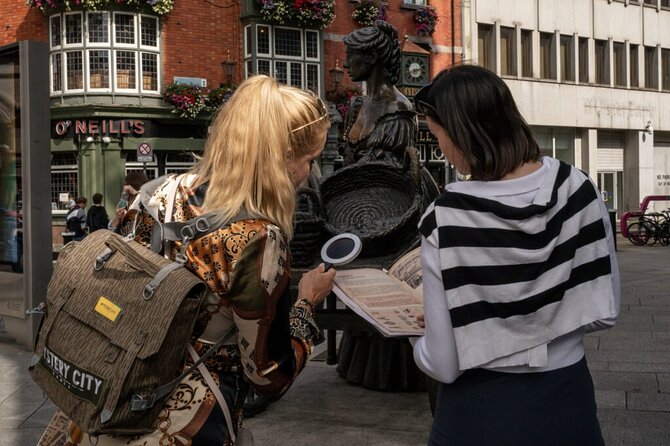
Treasure hunting gives Dublin a playful twist. I like the private format, since your own group can set the pace, and I like that the route links puzzles with city streets, pubs, and landmarks rather than keeping you inside a tour bus. The roughly two-hour walk begins at The Clockwork Door in Temple Bar and returns there after a hunt through central Dublin.
The main caution is practical: you will be solving clues outdoors while carrying a puzzle backpack. Rain, wind, weak phone service, or unclear instructions can turn a clever game into a tiresome one. I would book this for a small group that enjoys problem-solving, and I would leave extra time rather than treating two hours as a firm finish.
In This Review
- Key points to know before booking
- Starting at The Clockwork Door in Temple Bar
- Following the ancient map through Dublin city center
- The Garda Police Station on Kevin Street
- Traditional pubs become part of the puzzle
- How the backpack and phone system affect the game
- A two-hour estimate that needs breathing room
- What makes this a good team activity
- The sightseeing value, and where it falls short
- Is $30.07 per person good value?
- Weather, clothing, and practical planning
- Should you book the Dublin treasure hunt?
- FAQ
- Where does the Dublin treasure hunt begin?
- Where does the activity end?
- How long does the treasure hunt take?
- Is this a private activity?
- Is the experience offered in English?
- Can I cancel for a full refund?
Key points to know before booking
- A private Dublin game for your group: You do not share the activity with another booking, making it useful for friends, families, or team events.
- The route begins at The Clockwork Door: Meet at 51 Wellington Quay in Temple Bar, then return to the same place at the end.
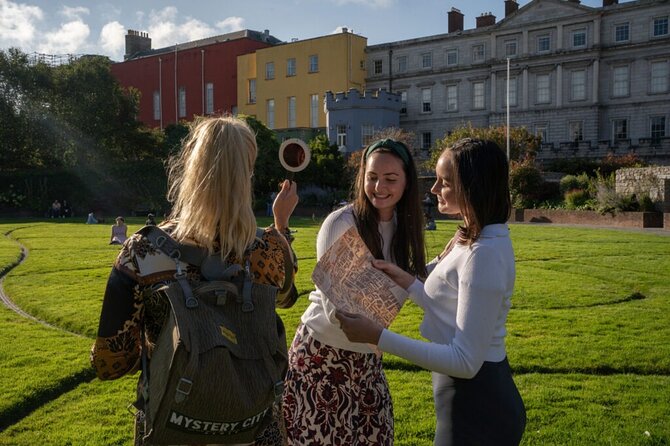
- Clues lead through central streets: The game uses Dublin’s city center, traditional pubs, public buildings, and monuments as part of the puzzle.
- The Garda station is one route marker: You pass the Garda Police Station on Kevin Street, a specific stop that helps show how far the walk extends beyond Temple Bar.
- The equipment needs handling: The clues come in a backpack with physical materials, including an evidence box and string-based puzzles.
- Weather matters a great deal: There are reports of difficulty working outside in heavy rain and wind, with limited places to sit and write.
Starting at The Clockwork Door in Temple Bar
The Clockwork Door at 51 Wellington Quay is a sensible place to begin. It puts you near Temple Bar, one of Dublin’s easiest areas for finding your bearings, and the activity ends back at the same meeting point.
This is a mobile-ticket, self-guided activity, so you do not follow a guide carrying a flag or listen to a running commentary. Instead, your group receives the game materials and works out the route together. That makes the start flexible in spirit, but it also means you need to read the instructions carefully before setting off.
The opening setup uses an ancient treasure map and a collection of physical clues. The idea is appealing: you are not simply ticking off sights, but using details around you to move the story forward. A group that likes riddles, visual puzzles, and shared decision-making should settle into the format quickly.
The starting venue is also useful if the weather turns bad before you begin. Staff there have been described as helpful, and the indoor setting gives you a chance to organize the backpack, check your phone, and divide tasks before heading out.
More Self-Guided Tours in Dublin
- St Patrick’s Cathedral: Self-Guided Cathedral Admission
★ 4.5 · 2,126 reviews - Christ Church Cathedral Entrance Ticket & Self-Guided Tour
★ 4.6 · 773 reviews - Dublin Ghost Hunt Exploration Game and Tour
★ 4.0 · 34 reviews
Following the ancient map through Dublin city center
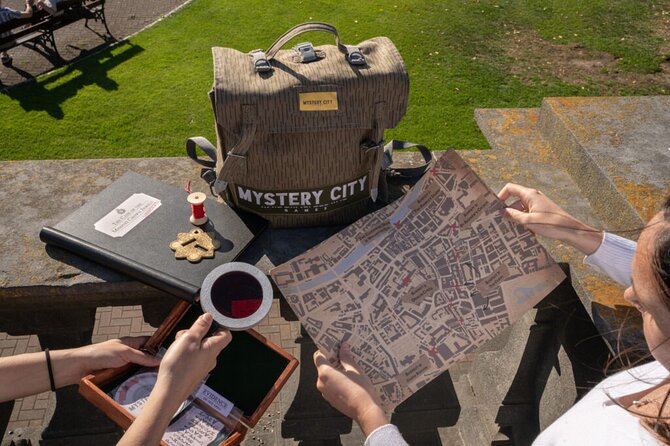
The core of the activity is a walking puzzle across central Dublin. The map points you from one location to the next, while each stop supplies a clue or answer needed to continue.
I like this style of sightseeing because it gives you a reason to look closely. A monument, street feature, or building that might otherwise receive a quick glance becomes part of the game. You might be checking lettering, shapes, signs, or nearby details rather than simply photographing the place and moving on.
The route is not presented as a standard sightseeing walk with a guide explaining every building. That distinction matters. The activity is built around discovery and teamwork, not a full lesson in Dublin’s past. One useful improvement would be adding more background about each stop, because the clues can draw your attention to a place without explaining why it matters.
You should also keep your expectations realistic. The route takes you through some less polished parts of the city center, and not every section is beside a major attraction. The hunt is trying to create a connected puzzle route, not deliver Dublin’s greatest-hits tour.
That can be a strength if you enjoy seeing ordinary streets and getting away from the most obvious visitor path. It can be a weakness if you want a carefully selected sequence of Trinity College, Dublin Castle, St. Patrick’s Cathedral, and other major sights.
The Garda Police Station on Kevin Street
One named point on the route is the Garda Police Station on Kevin Street. This gives the walk a clear Dublin setting and shows that the game reaches beyond the Temple Bar area.
For puzzle fans, a police station fits the mystery theme nicely. You are tracking clues and following a story involving villains, so an official police building feels like a natural piece of the plot. It also provides a recognizable marker while you work out where to go next.
The Kevin Street section may be more useful as part of the game than as a sightseeing highlight. You pass by the station rather than entering it, and the route does not promise an inside visit. If you are hoping for a major attraction at every stop, this part may feel ordinary.
I would treat the walk as a city game with sightseeing along the way, not as a substitute for a historical tour. The best moments come when the surroundings help you solve something. The less successful moments can feel like a long transfer between clues.
Traditional pubs become part of the puzzle
The route includes the outside of several traditional pubs. You are not promised a pub crawl or an included drink, but the pub fronts become part of the clue-solving.
This is one of the more enjoyable details of the concept. Dublin’s pubs are not just places to eat or drink. Their names, signs, windows, colors, and old-fashioned exteriors can provide useful visual information, giving the group a reason to notice details that are easy to pass by.
The wording matters here: you explore the outside of the pubs. Plan to remain on the street while solving the relevant clues, unless you independently choose to stop for food or a drink. A team that enjoys taking breaks could build in a snack stop, but remember that this adds time to the two-hour estimate.
That flexibility is helpful for adult groups. One team can move quickly, while another can pause for refreshments and talk through an answer. Just do not assume every pub stop is a scheduled indoor visit or part of the price.
Something completely different for another day:
- Dublin to Cliffs of Moher, including Wild Atlantic Way and Galway
★ 5.0 · 23,331 reviews - From Dublin: Cliffs of Moher, Burren & Galway City Day Tour
★ 4.8 · 18,888 reviews - Dublin: Guinness Storehouse Entry Ticket
★ 4.6 · 16,863 reviews - Dublin to Cliffs of Moher, Burren, Wild Atlantic Way, Galway Tour
★ 5.0 · 12,924 reviews
How the backpack and phone system affect the game
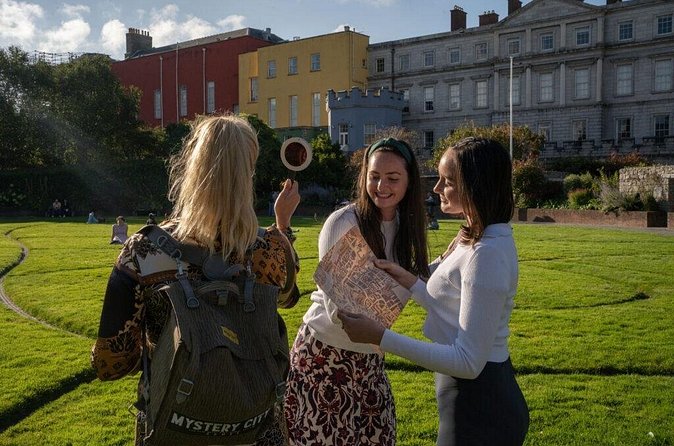
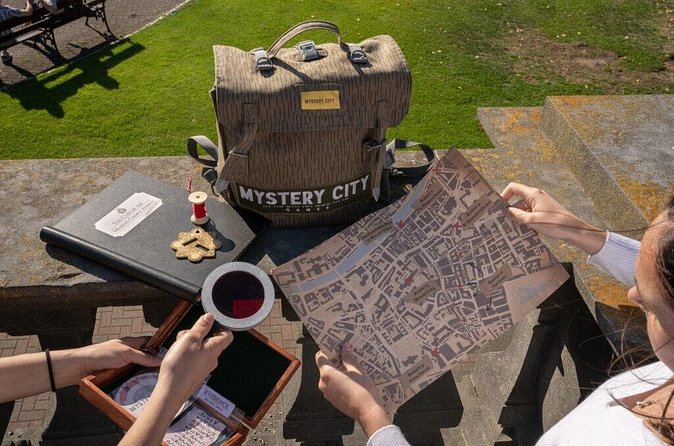
The physical equipment is a central part of the activity, and it can be imaginative. The materials include clues, an evidence box, string, and other items that you use as you move from point to point.
The tradeoff is convenience. The backpack has been described as awkward to open and re-buckle, with concern that pieces could fall out. In a quiet room, that might be a minor nuisance. On a busy Dublin pavement, it can interrupt the rhythm of the game.
Some puzzle materials also require you to spread items out and write down information. Dublin does not offer a bench at every useful moment, so you may find yourself balancing papers and equipment while standing. That is manageable for a prepared group, but it is not ideal in wet or windy weather.
The phone link is another important factor. The digital system helps you progress, but technical problems have caused freezing, crashes, and difficulty returning to the correct stage. A quick-fix instruction is available for some problems, yet it has not always prevented the game from restarting at the beginning.
I would make sure your phone is charged and that more than one person in the group understands the system. Keep the equipment together, read each clue twice, and avoid rushing to open the next item while standing in a crowded spot. These small habits will not fix a faulty connection, but they can reduce avoidable frustration.
A two-hour estimate that needs breathing room
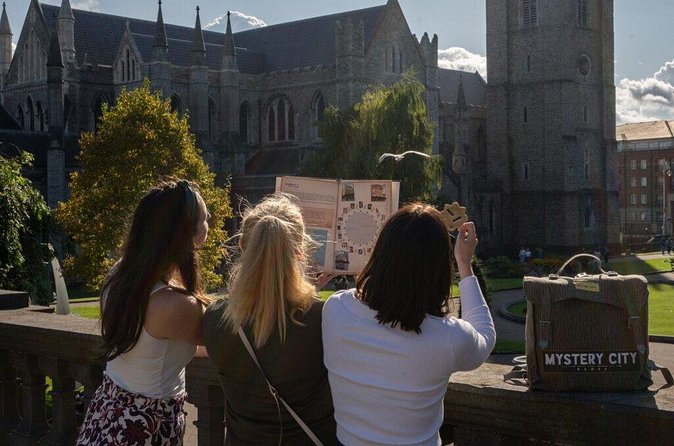
The advertised duration is about two hours. A strong, organized group may complete the route within that time, especially if everyone shares the work and the phone system behaves.
I would not schedule a train, dinner reservation, or timed attraction immediately afterward. A work group once allowed two and a half hours and found that the extra time made the activity more enjoyable. That is good advice even if you plan to finish in two hours.
The game becomes more relaxed when you treat it as an afternoon outing instead of a race. You can pause to compare answers, take a drink break, and enjoy the streets without someone constantly announcing that you are behind schedule.
If your group is competing, there is a different strategy. Splitting into teams and sending them in opposite directions has been suggested as a way to make a contest more interesting. Only do this if the provider’s instructions allow it, and keep each team clear on how to use the materials.
What makes this a good team activity
The private setup is particularly useful for groups that already know one another. Coworkers can divide tasks between map reading, clue solving, observation, and phone use. Friends can argue cheerfully over an answer. Larger work groups have also used the activity for team bonding, with a group of about 35 people taking part.
It is not an easy, passive walk. That is good news if your group enjoys a challenge. You need to communicate, notice details, and agree on a course of action. The difficulty gives the activity purpose, but it can also expose weak instructions or technical faults more sharply than a simple guided walk would.
For a very large booking, ask how the group will be divided and supplied before you pay. The activity is private, but the supplied information does not explain the exact team structure, number of backpacks, or how a large group moves through the route. Those details could affect the experience.
Families with older children may also enjoy it, provided everyone is comfortable walking and handling written puzzles. The information says most people can participate, and service animals are allowed. It is near public transportation, which makes the Temple Bar meeting point practical for many Dublin itineraries.
The sightseeing value, and where it falls short
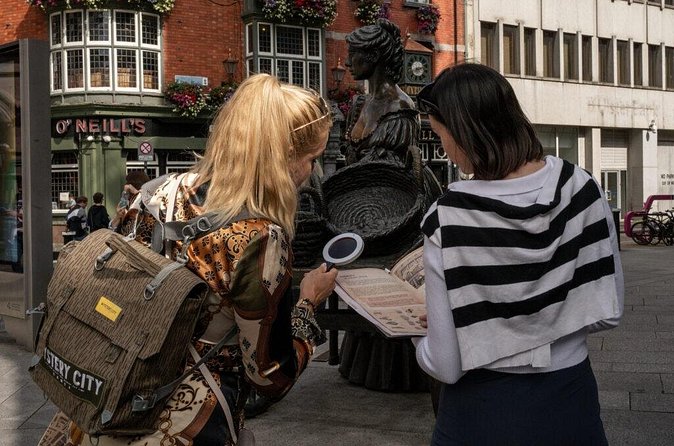
The strongest sightseeing feature is the way the route makes you pay attention. You explore parts of Dublin that you might not choose on your own, and the city itself supplies the puzzle material. That creates a more active connection with the streets than a standard point-to-point walk.
The weaker side is the lack of guaranteed explanation. You may pass an interesting building, solve a clue, and move on without learning much about the site. If you want dates, stories, and context from a local guide, choose a traditional walking tour instead or add one elsewhere in your schedule.
St. Patrick’s Cathedral illustrates the risk of relying on the route alone. A clue may involve the cathedral, but the activity does not promise entry. If the building is closed, or if a clue depends on access, the game can become difficult. The chat function is meant to help, but technical trouble can make that support unreliable.
This is why I would avoid booking it as your only Dublin sightseeing activity. Pair it with a proper visit to the city’s major sights, and the hunt works as an entertaining way to connect them with less familiar streets.
Is $30.07 per person good value?
At $30.07 per person, the price is reasonable for a private, two-hour group activity if your main goal is shared entertainment. You are paying for the game design, equipment, route, and the freedom to play with only your own group.
The value is strongest when several people can contribute. One person alone would have to manage the map, phone, writing, and physical clues, while a group can spread those jobs around. A couple might still enjoy it, but the puzzles and equipment could feel like a lot of work for the price.
Do not count on the fee covering drinks, food, cathedral admission, or other attractions. The pub stops are viewed from outside, and the activity returns to its starting point rather than including a separate attraction visit.
For a birthday, work event, or friends’ afternoon, the cost compares well with other organized group activities. For a visitor seeking serious Dublin interpretation, it is less compelling because the route provides limited historical explanation.
Weather, clothing, and practical planning
Weather is the biggest factor you can control. Dublin rain and wind make it hard to keep papers flat, handle string, and write answers. Wear a waterproof jacket, protect your phone, and choose a day when your group will not mind spending much of the activity outdoors.
Comfortable shoes matter because the route is a city walk, not a stationary puzzle room. Keep your hands as free as possible, and avoid bringing extra bags that compete with the game backpack.
Give yourself time at The Clockwork Door before departure. Read the instructions, check that every item is present, and decide who will carry the equipment and who will handle the phone. A calm start can prevent confusion later.
The activity is offered in English. Confirmation arrives at booking, and free cancellation is available if you cancel at least 24 hours before the local start time. Cancellations or changes inside that window are not accepted for a refund.
Should you book the Dublin treasure hunt?
Book it if you want a private, puzzle-led walk with friends, family, or coworkers, and if you like the idea of discovering Dublin through clues rather than listening to a guide. The city setting, pub exteriors, mystery theme, and teamwork give the afternoon a clear sense of purpose.
Think twice if you dislike fiddly equipment, need reliable phone technology, or want every stop to be a major Dublin sight. I would also avoid a rainy booking if possible, since outdoor puzzle work becomes much harder without dry surfaces and shelter.
My practical call: choose this as a fun extra to your Dublin plans, not as your main introduction to the city. Bring patience, allow more than two hours, and book with a group that enjoys solving problems together. That is when the $30.07 price makes the most sense.
FAQ
Where does the Dublin treasure hunt begin?
It begins at The Clockwork Door, 51 Wellington Quay, Temple Bar, Dublin, D02 NH04, Ireland.
Where does the activity end?
The activity ends back at the starting meeting point.
How long does the treasure hunt take?
The estimated duration is about two hours.
Is this a private activity?
Yes. Only your group participates in the private tour or activity.
Is the experience offered in English?
Yes. The activity is offered in English.
Can I cancel for a full refund?
Yes, if you cancel at least 24 hours before the experience start time. Cancellations or changes made less than 24 hours before the start time are not accepted for a refund.
Newest in Dublin
- Wicklow Mountains Private Day Tour including Glendalough★ 5.0 · 7 reviews
- Wicklow: Private Day Tour from Dublin★ 5.0 · 5 reviews
- From Dublin: Powerscourt House, Guinness Lake & Glendalough★ 5.0 · 2 reviews
- Ultimate Dublin Food Tour★ 4.5 · 2 reviews
- Women Of Ireland: Trailblazers & Pioneers★ 5.0 · 4 reviews
- Wicklow tour of Glendalough★ 4.5 · 8 reviews
- Wicklow Mountains & Glendalough Luxury Private Day Tour★ 5.0 · 23 reviews
- Whiskey Tasting Tour of Dublin★ 5.0 · 117 reviews
Self-Guided Tours in Dublin, compared.
St Patrick’s Cathedral: Self-Guided Cathedral Admission
Read our review →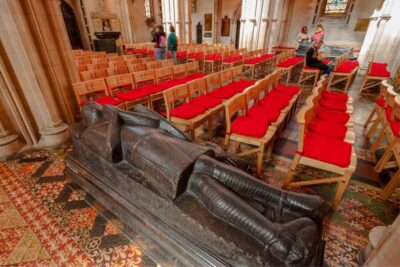
Christ Church Cathedral Entrance Ticket & Self-Guided Tour
Read our review →
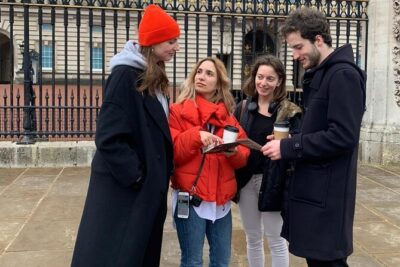
Dublin Self-Guided Murder Mystery Tour by Temple Bar
Read our review →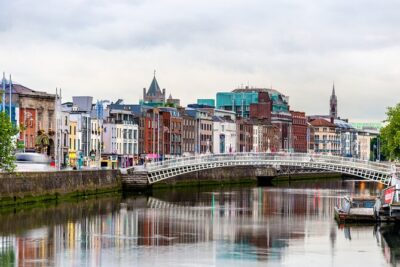
Dublin Old Town: Famous Pubs Exploration Game and Tour
Read our review →
A Self-Guided Stroll Along Dún Laoghaire’s East Pier
Read our review →
The Dublin Incident: Alien, Whiskey & Clues Exploration Game
Read our review →Browse the lists this tour appears in