
Reviewed · HISTORICAL TOURS
Dublin: Jeanie Johnston Tall Ship Irish Famine History Tour
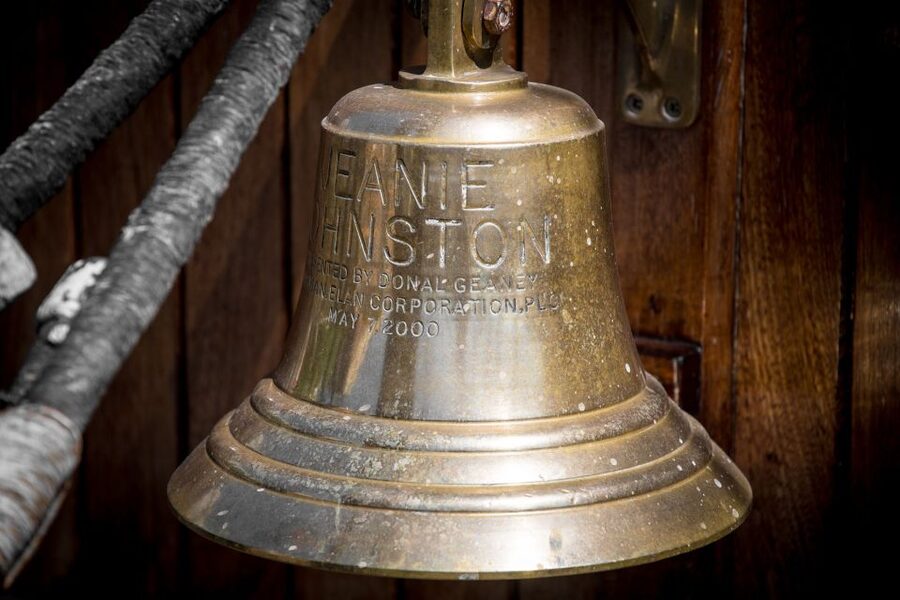
History feels closer on a ship. The Jeanie Johnston tall ship tour takes you from Dublin’s North Dock into the painful story of Ireland’s famine years, when one million people left Ireland in search of food, work, and survival. For $16, I like the combination of a real-feeling maritime setting and personal stories about passengers and crew. I also like that the 50-minute visit is short enough to fit neatly into a day of Dublin sightseeing.
The main consideration is the ship itself. You need to climb aboard and go below deck, and the tour is not suitable for wheelchair users or people with limited mobility. Still, the guides receive repeated praise for making a difficult subject clear, human, and engaging. Names such as Steve, Claire, Katrina, Eoin, Owen, and Gearoid appear often in the strongest feedback, with particular praise for humor, clear explanations, and the way they involved children.
In This Review
- Key things to know before boarding
- Why the Jeanie Johnston works as a history lesson
- Above deck: masts, timber, and Dublin Docklands
- Below deck: the cramped reality of the crossing
- The remarkable safety record of the Jeanie Johnston
- A tour length that fits a Dublin day
- How the guides shape the visit
- Is it suitable for families and teenagers?
- What makes the experience feel authentic
- Practical tips before you go
- Who should book the Jeanie Johnston?
- FAQ
- Where does the Jeanie Johnston tour begin?
- Where does the tour end?
- How long does the tour last?
- What is included in the price?
- Is hotel pickup included?
- What language is the tour conducted in?
- What should I wear or bring?
- Is the tour suitable for wheelchair users?
- Can I cancel the booking?
- Can I reserve now and pay later?
- Should You Book the Jeanie Johnston?
Key things to know before boarding
- The ship tells a survival story: Learn how up to 250 passengers lived in cramped quarters during voyages across the Atlantic.
- The tour has two distinct parts: Start above deck with the ship’s design and maritime past, then go below to hear about food, illness, payment, and daily life.
- The personal stories matter: Passengers and crew are presented as individuals, not just as numbers from a history book.
- The setting is part of the visit: You get views of Dublin’s Docklands, along with masts, rigging, sea air, and gulls from the upper deck.
- Fifty minutes is a useful length: The tour has enough time for context without taking over your afternoon.
- The guide makes the difference: Steve, Claire, Eoin, Katrina, Owen, and others have been praised for storytelling, warmth, and handling questions.
Why the Jeanie Johnston works as a history lesson
The Jeanie Johnston is not simply a boat with a few information panels. Its cramped decks help you understand the physical reality of a famine voyage. You hear about people who had little choice but to leave Ireland, then move through the same tight spaces where passengers spent most of their journey.
That change of setting matters. A museum can explain overcrowding, disease, and hunger, but a ship gives those ideas a physical scale. When you go below deck, you can better picture what it meant for as many as 250 people to share limited space for weeks at sea.
The subject is serious. The tour covers disease, starvation, filthy conditions, and the danger of disaster. It also explains how people paid for their passage, what they ate, how they passed the time, and what awaited them after reaching their destination.
The best guides keep the story human without turning it into theatre. The strongest feedback repeatedly praises this balance. Steve is singled out for explaining the famine clearly while keeping children aged seven to fifteen involved. Claire is praised for being funny and informed, while Eoin is remembered for combining seriousness, humor, and clear storytelling.
That range is useful because the tour can work for adults, families, and teenagers. You should not expect a light attraction, but you also should not expect a lecture that leaves younger children behind.
More History Tours in Dublin
- Dublin Historical Centre Food Tour with 8 Food Tastings & Drinks
★ 5.0 · 1,718 reviews - 2-Hour Historical Walking Tour from Dublin
★ 5.0 · 875 reviews - Historical 2-Hour Guided Walking Tour of Dublin
★ 4.7 · 865 reviews
Above deck: masts, timber, and Dublin Docklands
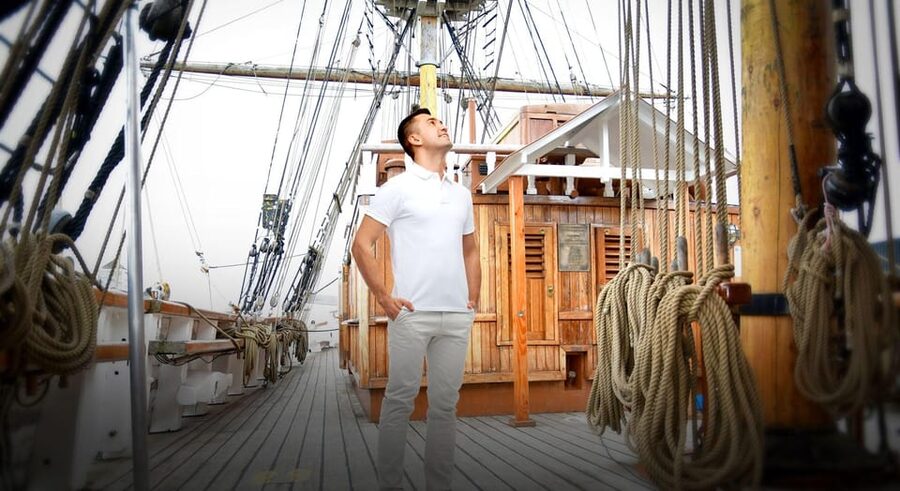
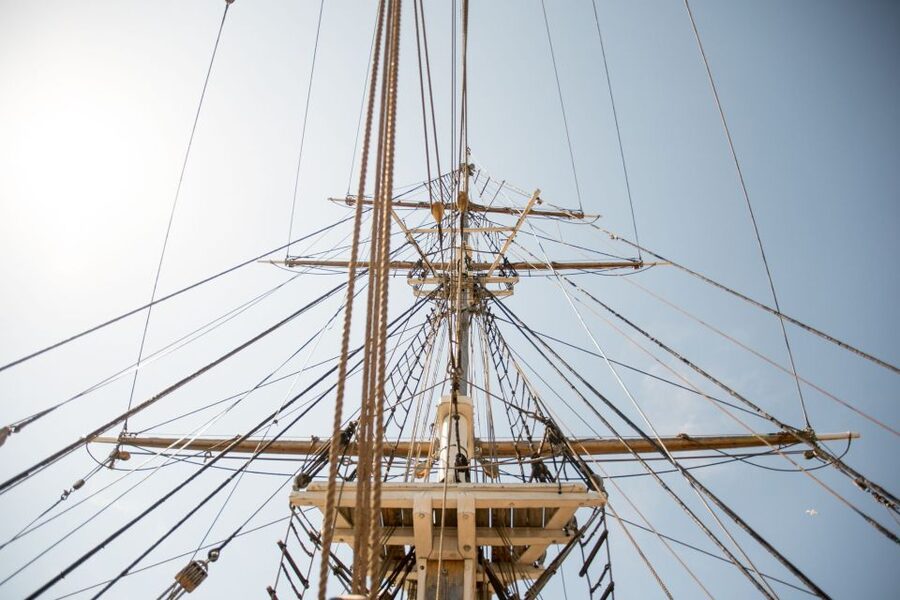
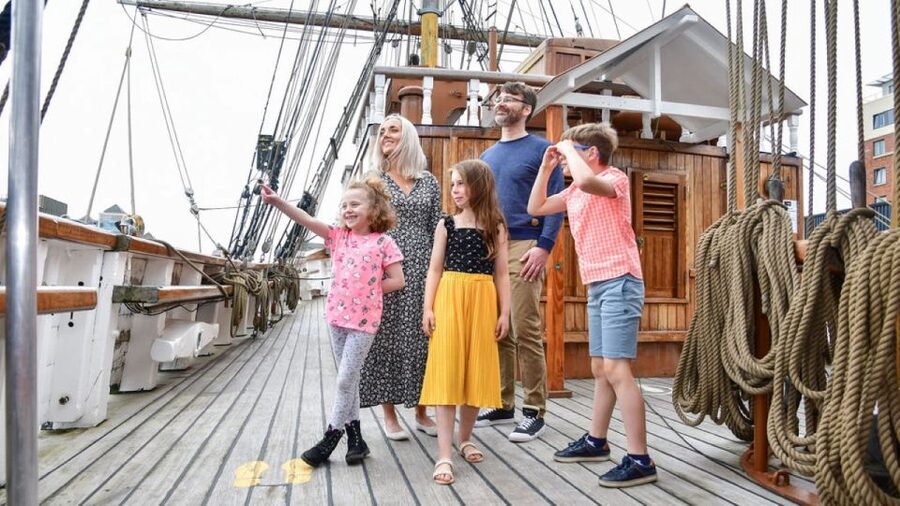
The tour begins on the upper deck. Here, the ship itself takes center stage. You see the tall masts, the workmanship, and the practical design that allowed sailing ships to carry cargo and people across the Atlantic.
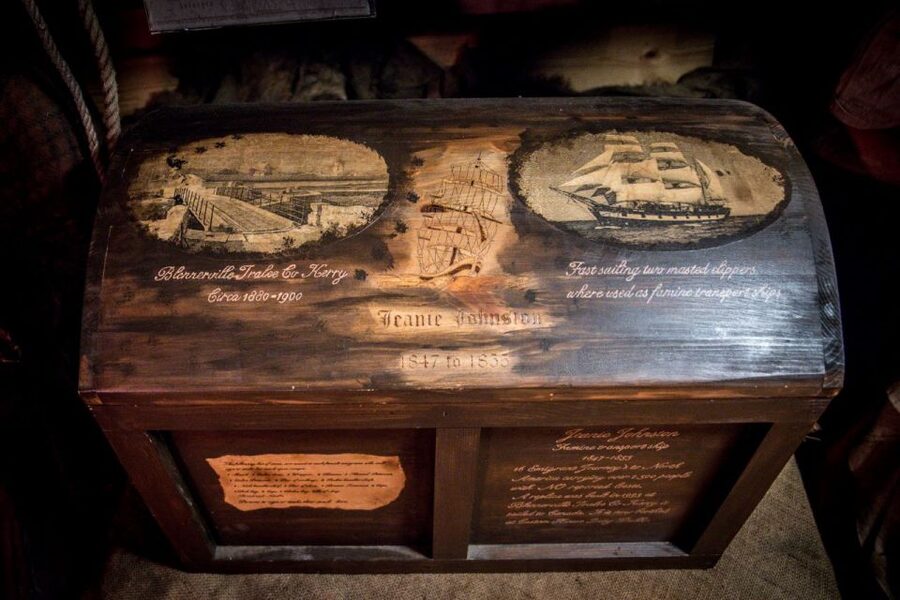
The guide explains the original Jeanie Johnston and the building of the replica. One especially interesting detail is the ship’s change of career. It first carried timber before being used to transport emigrants. That shift reflects how shipping served different needs in the nineteenth century, including the urgent movement of people leaving Ireland.
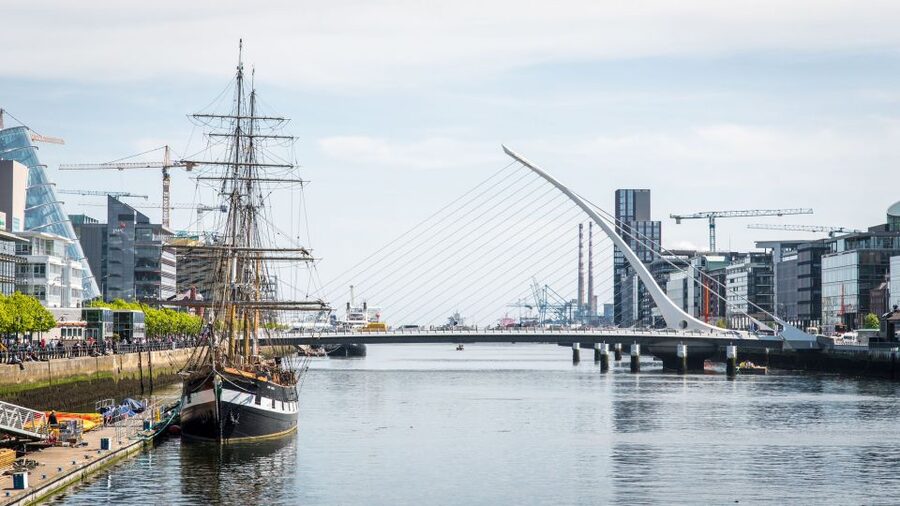
Take a moment to look outward before heading below. The ship sits at City Moorings on Custom House Quay, so you get a different view of Dublin’s Docklands from the water. The setting adds sound and atmosphere: wind across the deck, salty air, and gulls overhead.
This is also the best place for photographs. The Jeanie Johnston is one of the area’s most photographed attractions, and the masts make a strong backdrop. If the weather is pleasant, the upper deck may be the most enjoyable part of the visit simply because it gives you room to breathe and a clear sense of the ship’s scale.
The drawback is weather exposure. Dublin can be damp and windy, and the tour does not take place entirely indoors. Wear comfortable shoes and dress for changeable conditions. The ship’s deck is worth seeing, but it is not a place to count on dry, calm weather.
Below deck: the cramped reality of the crossing
The emotional heart of the tour comes below deck. You move into the tight living quarters where passengers spent most of their time. They were allowed only half an hour of fresh air each day, a detail that quickly changes how you view the voyage.
The lower deck helps explain why the journey was so demanding. Families and individuals had to endure confinement, poor sanitation, limited food, and the constant risk of illness. The tour does not present emigration as a simple adventure. It shows the crossing as an act of desperation for many people.
You meet some of the passengers and crew through their individual stories. You learn how they paid for the crossing, what provisions they had, and how they filled the long hours. These details turn a huge historical event into something easier to grasp.
The personal focus is one of the tour’s strongest features. The famine caused enormous suffering, but statistics alone can become hard to picture. A story about a particular passenger, a family’s payment for passage, or the food available on board gives the subject a human shape.
You should be ready for a confined environment. The ship is not suitable for people with mobility impairments or wheelchair users, and the tour requires moving through areas that may feel tight. Comfortable footwear is specifically recommended.
The remarkable safety record of the Jeanie Johnston
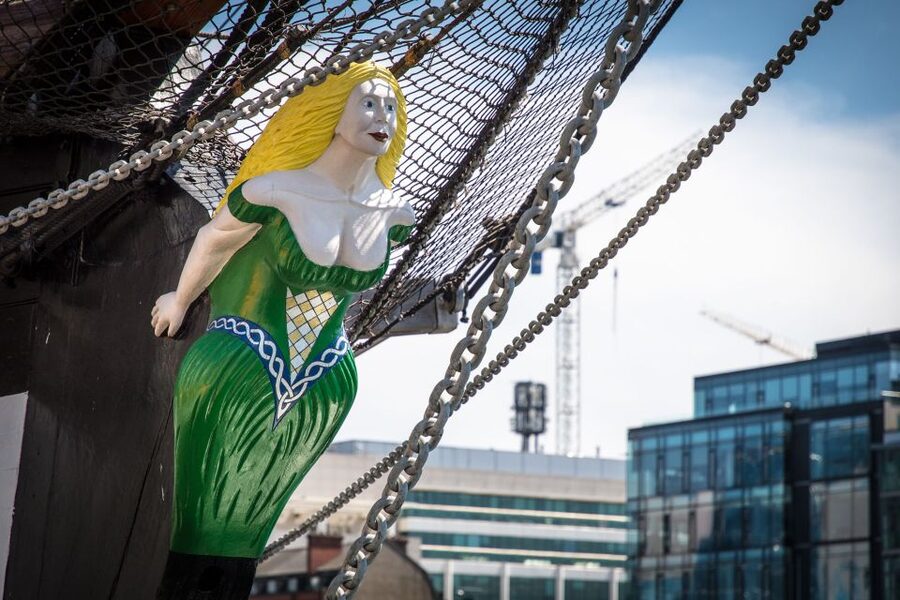
One detail gives the ship’s story an unusual twist. The original Jeanie Johnston completed 16 voyages to America without a single passenger death. That fact does not make the crossings easy, but it gives the ship a distinct place within the wider famine story.
The tour places this record beside the risks faced by emigrants on other voyages. Disease, hunger, poor conditions, and shipwreck were real dangers for people leaving Ireland. The Jeanie Johnston’s record is therefore worth noting, but it should not soften the hardship of life on board.
This is where a good guide can add real value. Several praised guides are described as answering questions carefully and adjusting their delivery for different ages. If you have a question about the ship, the voyage, or the wider famine, ask it. The tour is live and guided in English, so the conversation can add depth that a self-guided visit cannot provide.
Something completely different for another day:
- Dublin to Cliffs of Moher, including Wild Atlantic Way and Galway
★ 5.0 · 23,331 reviews - From Dublin: Cliffs of Moher, Burren & Galway City Day Tour
★ 4.8 · 18,888 reviews - Dublin: Guinness Storehouse Entry Ticket
★ 4.6 · 16,863 reviews - Dublin to Cliffs of Moher, Burren, Wild Atlantic Way, Galway Tour
★ 5.0 · 12,924 reviews
A tour length that fits a Dublin day
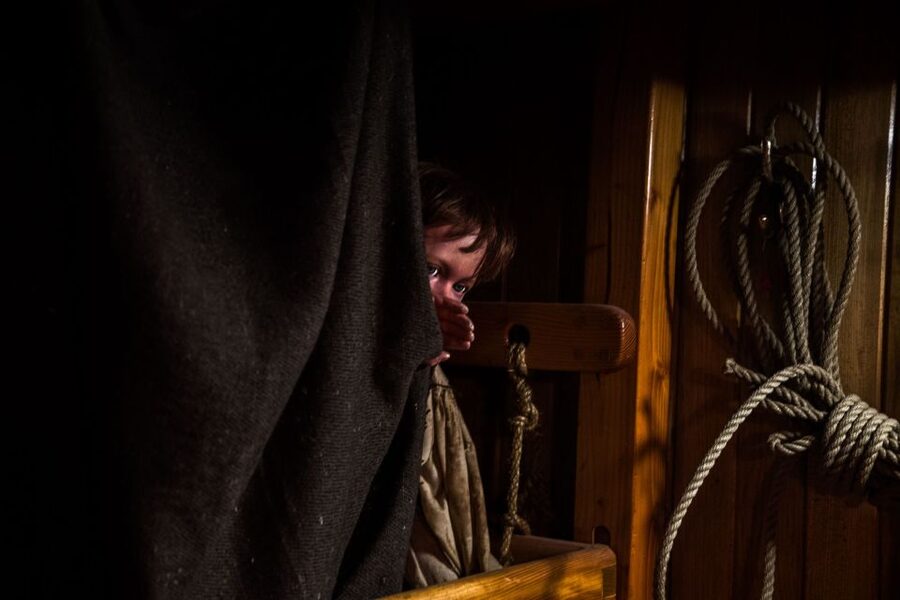
At 50 minutes, the Jeanie Johnston visit is easy to combine with other plans. You do not need to give up half a day to hear the story, and the short format keeps the presentation focused.
I think the timing is particularly useful if you are exploring Dublin’s Docklands, visiting nearby attractions, or fitting several stops into one day. The tour begins and ends at the ship, at City Moorings, Custom House Quay, Dublin 1. Hotel pickup and drop-off are not included, so you need to make your own way there.
Starting times vary, so check availability when booking. The stated price is $16 per person. That is fair value for a guided visit of this length, especially because the price includes entrance and access to the live tour rather than just admission to the ship.
The value depends on what you want from Dublin. If you are looking for a large attraction with many rooms and displays, this may feel brief. If you want a focused, place-based history lesson that takes less than an hour, the price is easier to justify.
How the guides shape the visit
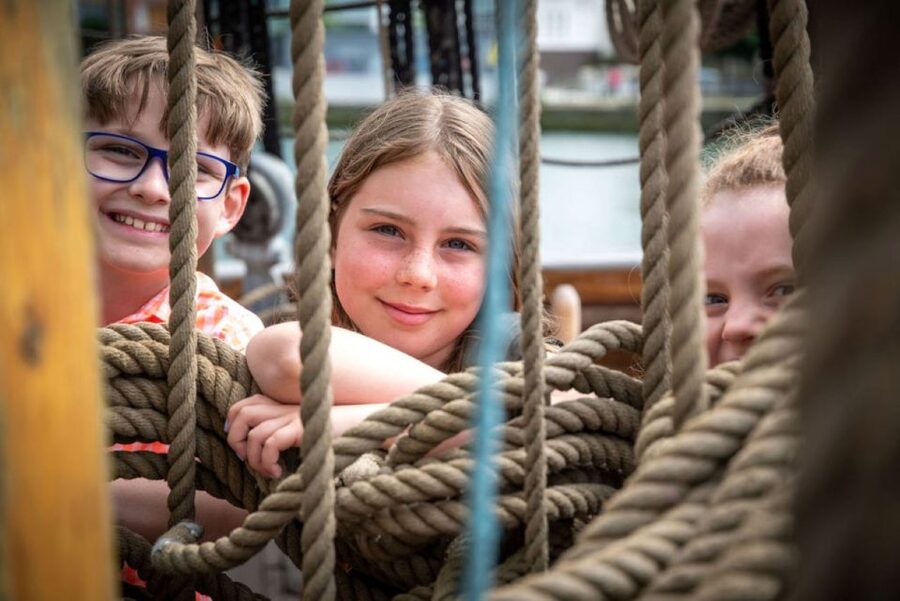
The ship provides the setting, but the guide carries much of the tour. The strongest accounts consistently highlight warm, lively delivery rather than dry recitation.
Steve receives praise for being clear, friendly, and entertaining. One family found that he kept children engaged while explaining the famine in a way that made sense to both young and older visitors. Another assessment called the visit excellent value because he answered questions and made the subject enjoyable without losing its seriousness.
Claire is praised for humor and information, and for helping a child feel more comfortable around the mannequins on board. Katrina is remembered for asking people where they came from, encouraging interaction within the group, and involving children in the story.
Eoin is described as especially strong at mixing wisdom, seriousness, and humor. Owen is praised for answering questions in detail, while Gearoid is noted for a good mix of humor and gravity.
Guide styles naturally vary, but the pattern is clear: this is a tour where the human delivery matters. You are not merely walking through a replica ship. You are listening to someone connect the vessel, the famine, and the people who crossed the ocean.
Is it suitable for families and teenagers?
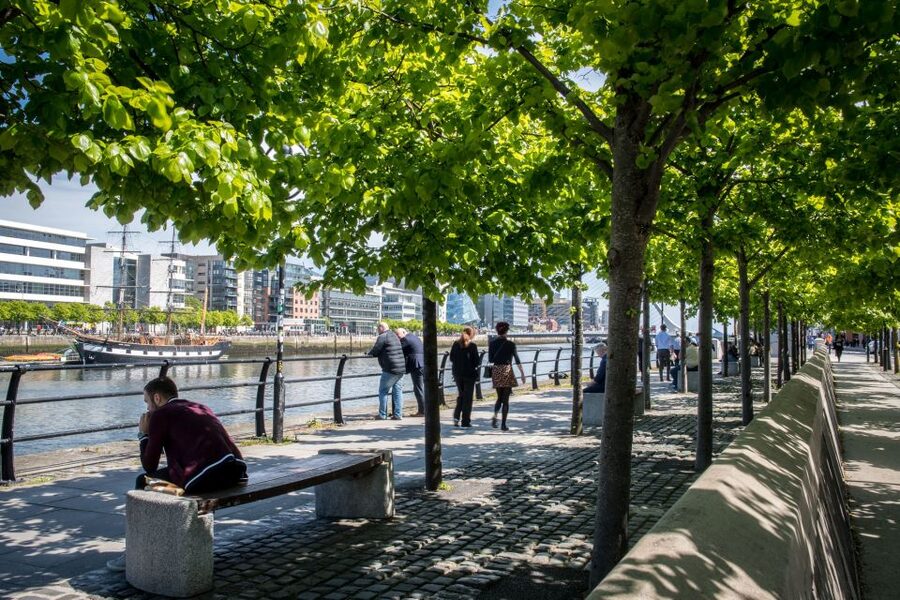
Yes, provided everyone is comfortable with the subject and the ship’s physical limits. The tour has held the attention of children as young as eight and teenagers as old as sixteen, according to the detailed feedback available.
That success seems to come from the guides’ use of questions, humor, and personal stories. A child who finds mannequins unsettling may need reassurance, but a thoughtful guide can keep the visit accessible without watering down the history.
The topic can be upsetting. Children should know in advance that the tour discusses hunger, disease, filthy conditions, and the loss faced by Irish families. For older children and teenagers, those difficult details can make the visit more meaningful than a general sightseeing stop.
I would choose this for families who want their Dublin activities to include history and conversation. I would skip it for very young children who cannot manage a serious 50-minute tour in a confined setting.
What makes the experience feel authentic
The Jeanie Johnston gives you a direct connection to Dublin’s maritime past. You are standing on a tall ship in the Docklands, hearing about the people who used ships like this to leave Ireland. The location is not an unrelated exhibition space. The setting supports the story at every stage.
The upper deck shows the working side of the ship: masts, craftsmanship, cargo, and the shipping trade. The lower deck shifts the focus to the passengers, their food, their payment, their lack of space, and their uncertain future.
That structure is simple but effective. You first understand the ship as an object, then as a place where people endured a difficult voyage. By the end, the Jeanie Johnston feels less like a photo stop and more like a physical record of movement, fear, and survival.
The visit also avoids treating Irish emigration as an abstract statistic. One million people left Ireland during the famine years, and 2,500 of them traveled on the Jeanie Johnston. The guide’s job is to help you connect those numbers with individual lives.
Practical tips before you go
Wear comfortable shoes. You will be moving around a ship and going below deck, and the attraction is not recommended for people with limited mobility or wheelchair users.
Arrive ready for both indoor and outdoor conditions. The upper deck offers open views, wind, and sea air, while the lower deck is confined. A light waterproof layer can be useful in Dublin, though the tour information does not promise any particular weather arrangement.
Give yourself enough time to reach City Moorings, Custom House Quay, Dublin 1. There is no hotel pickup or drop-off, and the activity returns to the same meeting point.
If your schedule might change, you can cancel up to 24 hours in advance for a full refund. You can also reserve now and pay later, which is helpful when you are planning several Dublin activities before arrival.
Who should book the Jeanie Johnston?
I would recommend this tour to anyone interested in Irish history, family migration, maritime life, or the Dublin Docklands. It is especially useful if you want a focused attraction that combines scenery with serious historical content.
Families with school-age children can enjoy it if they prepare for the famine subject. Teenagers may respond well to the personal stories and the physical setting, especially when the guide invites questions.
You may want to choose another activity if you need step-free access, dislike enclosed spaces, or prefer a self-guided visit at your own pace. The ship’s physical layout is part of its appeal, but it also creates the main limitation.
For most visitors who can manage the stairs and narrow areas, the $16 price is reasonable. The strongest value comes from the guides, who turn a 50-minute walk through a ship into a clear and moving lesson about why people left Ireland.
FAQ
Where does the Jeanie Johnston tour begin?
The tour begins at the Jeanie Johnston Tallship, City Moorings, Custom House Quay, Dublin 1.
Where does the tour end?
The activity ends back at the meeting point on the Jeanie Johnston.
How long does the tour last?
The guided tour lasts 50 minutes.
What is included in the price?
Entrance and access to the guided tour of the Jeanie Johnston tall ship are included.
Is hotel pickup included?
No. Hotel pickup and drop-off are not included.
What language is the tour conducted in?
The live guided tour is conducted in English.
What should I wear or bring?
Comfortable shoes are recommended. You should also be prepared to spend time on the ship’s open upper deck.
Is the tour suitable for wheelchair users?
No. The tour is not suitable for wheelchair users or people with mobility impairments.
Can I cancel the booking?
Yes. You can cancel up to 24 hours in advance for a full refund.
Can I reserve now and pay later?
Yes. The activity offers a reserve-now, pay-later option.
Should You Book the Jeanie Johnston?
Book it if you want Dublin history delivered through a real maritime setting rather than a standard gallery. The 50-minute format, $16 price, Docklands location, and strong guide-led storytelling make it an easy addition to a city day.
Skip it only if mobility is a concern or if a serious famine-era story is not right for your group. For everyone else, the Jeanie Johnston offers a compact, memorable look at the Irish people who faced an ocean crossing in search of survival.
Newest in Dublin
- Wicklow Mountains Private Day Tour including Glendalough★ 5.0 · 7 reviews
- Wicklow: Private Day Tour from Dublin★ 5.0 · 5 reviews
- From Dublin: Powerscourt House, Guinness Lake & Glendalough★ 5.0 · 2 reviews
- Ultimate Dublin Food Tour★ 4.5 · 2 reviews
- Women Of Ireland: Trailblazers & Pioneers★ 5.0 · 4 reviews
- Wicklow tour of Glendalough★ 4.5 · 8 reviews
- Wicklow Mountains & Glendalough Luxury Private Day Tour★ 5.0 · 23 reviews
- Whiskey Tasting Tour of Dublin★ 5.0 · 117 reviews
Historical Tours, compared.

Dublin Historical Centre Food Tour with 8 Food Tastings & Drinks
Read our review →

Historical 2-Hour Guided Walking Tour of Dublin
Read our review →
Dublin to Cork, Blarney Castle & Cóbh Heritage Centre by train
Read our review →
Deliciously Dublin: The Artisan Donut Walking & History Tour
Read our review →
Browse the lists this tour appears in