
Reviewed · GHOST TOURS
Dublin: North Quay Guided Ghost Walk
Dublin keeps its darkest stories north of the river. This 1.5-hour walk turns medieval ruins, rebel burial grounds, old streets, and local ghost lore into an entertaining introduction to Dublin’s less polished past. I like the way the tour combines spooky stories with real history, and I like that it takes you into parts of the northside many short city tours skip.
The guides are a major strength. Kate, Darragh, Matthew, and Derek are praised for humor, storytelling, and detailed local knowledge, though guide assignments can vary. The main drawback is that this is not a theatrical scare show. If you want actors leaping from shadows, you may find it more like a lively history walk with eerie material.
In This Review
- Key points to know before you book
- Why Dublin’s northside makes a good ghost walk
- Starting at Mary Street and entering Oxmantown
- Saint Mary’s Abbey, a ruin beside modern Dublin
- Hendrick Street and six reported ghosts
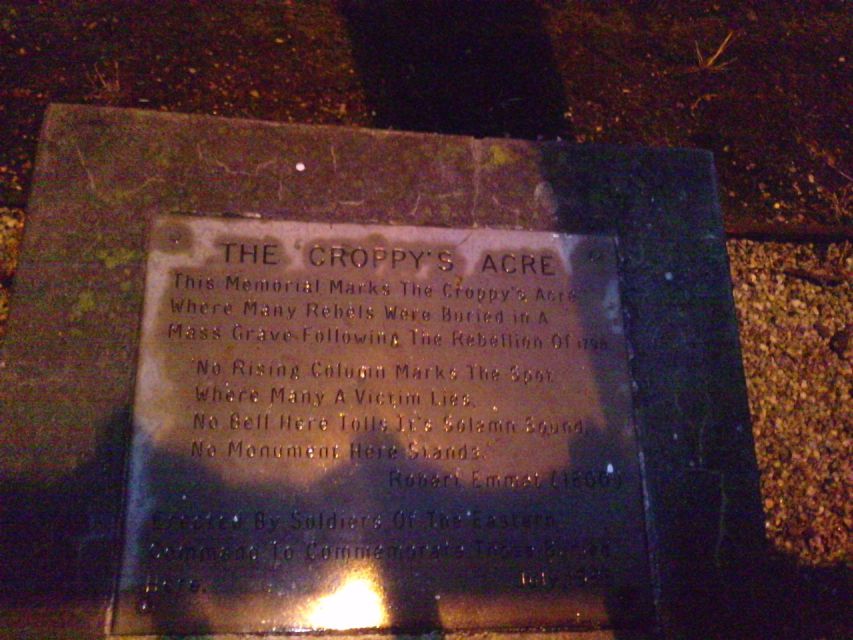
- Croppie’s Acre and the human cost of rebellion
- Saint Michan’s mummies and Bram Stoker
- Modern apparitions and stranger local stories
- The guides make or break the evening
- Price, timing, and what the $28 buys you
- Who will enjoy this Dublin ghost walk
- Should you book the North Quay Ghost Walk?
- FAQ
- Where does the Dublin North Quay Ghost Walk start?
- Where does the tour finish?
- How long does the ghost walk last?
- How much does the tour cost?
- What language is the tour conducted in?
- Is a guide included?
- What places are covered on the walk?
- Does the tour visit the mummies inside Saint Michan’s Church?
- Can you cancel for a refund?
- Can you reserve the tour and pay later?
Key points to know before you book

- Saint Mary’s Abbey hides in plain sight: You visit the remains of one of medieval Ireland’s most powerful monastic settlements, now reduced to a small ruin beside everyday city life.
- Hendrick Street carries a particularly grim reputation: The area around numbers 7 and 8 was linked to six ghosts, making it one of the walk’s strongest spooky stops.
- Croppie’s Acre adds serious historical weight: Beneath a later football pitch lies a mass grave connected with rebels executed after the 1798 rebellion.
- Saint Michan’s Church connects Dublin to Dracula: The church’s mummies are among Ireland’s most macabre attractions and are linked to Bram Stoker’s early inspiration.
- The tone is funny rather than theatrical: Guides such as Matthew and Darragh keep the mood lively with wit, while still giving the stories room to breathe.
- You return to the starting point: Meet outside The Church Bar and Restaurant on Mary Street, then finish back at the same location.
Why Dublin’s northside makes a good ghost walk
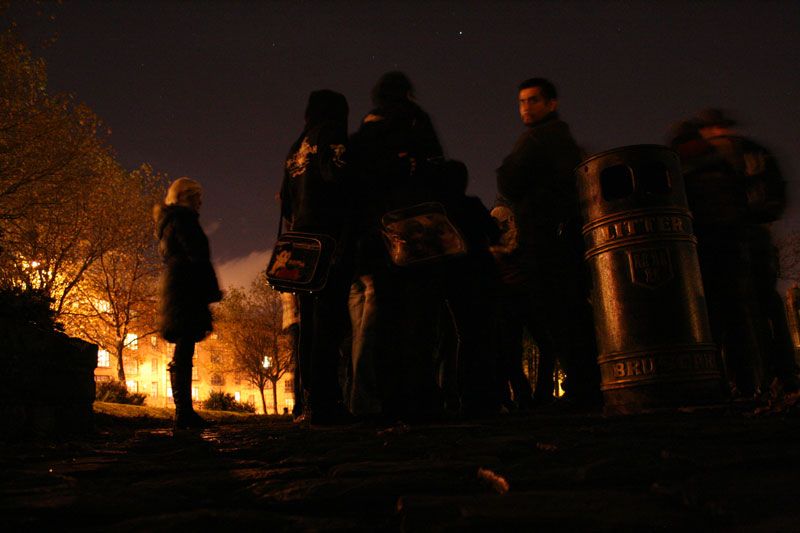
Dublin’s haunted stories work best when they grow out of real streets rather than a purpose-built attraction. The northside gives this walk a useful setting: medieval monastic sites, former Viking areas, rebel burial grounds, narrow lanes, old houses, and working city streets all sit close together.
You are not simply hearing a string of unrelated ghost tales. The walk connects Dublin’s religious past, medieval crime, political violence, urban change, and modern apparitions. That mix gives the tour more substance than a standard collection of haunted-house stories.
I also like the local angle. The route explores medieval Oxmantown, including former Viking enclaves, and takes you to places that can be easy to overlook when you are focused on Dublin Castle, Trinity College, or Temple Bar. You still get ghost lore, but you also gain a better sense of how the city grew beyond its best-known sights.
The setting will not always feel spooky. Dublin is a living city, and some stops are surrounded by traffic, pedestrians, pubs, and ordinary buildings. That can weaken the mood, especially during brighter summer evenings. At the same time, the everyday setting makes the stories more unsettling because the locations are not sealed off from modern life.
More Walking Tours in Dublin
- Dublin Highlights and Hidden Gems Guided Walking Tour
★ 5.0 · 6,020 reviews - Dublin: Highlights and Hidden Gems Walking Tour
★ 4.9 · 2,140 reviews - 1916 Rebellion Walking Tour
★ 5.0 · 1,605 reviews
Starting at Mary Street and entering Oxmantown
The walk begins outside The Church Bar and Restaurant on Mary Street. This is a practical meeting point in central Dublin, but you should pay attention to the exact location because the tour begins outdoors and the group then sets off on foot.
The first part of the route introduces medieval Oxmantown and the old Viking presence on the northside. This section matters because it gives you a map of Dublin before the ghost stories become the main focus. You learn that the streets under your feet were shaped by settlement, trade, religion, theft, punishment, and conflict over many centuries.
Scaldbrother, the infamous medieval thief, is one of the colorful figures connected with this part of the walk. His story adds a rougher edge to the tour. Instead of presenting medieval Dublin as a collection of noble churches and grand monuments, the guide brings in criminals and ordinary people who lived outside respectable society.
This is also where the guide’s personality makes a difference. Darragh has been praised for being personable and funny, while Matthew is described as an excellent storyteller with a strong sense of humor. A good guide keeps names and dates from becoming a lecture, then uses a striking detail or well-timed joke to bring the past back into view.
Saint Mary’s Abbey, a ruin beside modern Dublin
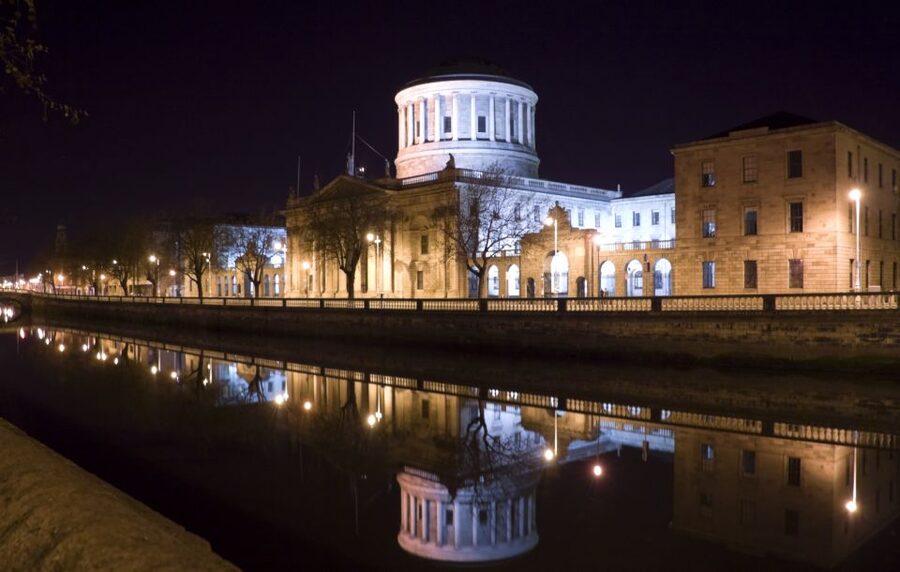
Saint Mary’s Abbey is one of the most worthwhile stops for history-minded visitors. It was once among the most powerful monastic settlements in medieval Ireland. Today, only a small remnant remains down an alleyway, passed by thousands of people who may not realize what is there.
That contrast is the point. The site does not announce itself with the scale of a major cathedral or the grandeur of a restored palace. You might walk past without noticing it. The guide gives the ruin context, helping you picture the importance it once held and the way Dublin’s religious center shifted over time.
The abbey stop also shows why this tour can appeal to people who are only mildly interested in ghosts. The supernatural stories provide the hook, but the physical places give the walk its value. You see how layers of Dublin sit on top of one another, with a medieval religious settlement reduced to fragments in a busy modern neighborhood.
For you, this means the walk can function as both an evening activity and a useful orientation tour. Several guide comments have included suggestions for other places to visit after the walk, so keep a note on your phone if you want to turn the stories into daytime sightseeing.
Hendrick Street and six reported ghosts
Hendrick Street brings the tour closer to classic haunted-house territory. The area around numbers 7 and 8 was once associated with two of Dublin’s most haunted houses, with no fewer than six different ghosts said to have lived between them.
The appeal here comes from the ordinary setting. You are not entering a dramatic ruin or an isolated castle. You are looking at a street where the haunting stories are tied to specific addresses. That makes the guide’s delivery important. The best version of this stop lets you imagine the people, rooms, and events without forcing the story into a cheap scare routine.
This is one of the places where expectations matter. The walk generally avoids heavy theatrics, sudden effects, and staged performances. It relies on atmosphere, local lore, and storytelling. I find that approach more convincing, but you may prefer a more dramatic ghost attraction if you want constant fright.
The tour can also be a little less frightening when the streets are busy or the daylight lingers. One account noted that an evening tour in summer can lose some atmosphere because the sun remains up until after 9 p.m. If mood matters to you, a darker season or later starting time may help, though starting times vary and must be checked when booking.
More Ghost Tours in Dublin:
- Dublin Ghost Bus Tour with Professional Actors
★ 4.5 · 949 reviews - Haunted Dublin Walking Tour
★ 5.0 · 550 reviews - From Dublin: Gravedigger Ghost Bus Tour
★ 4.4 · 546 reviews - Dublin’s Haunted History Walking Tour
★ 4.3 · 345 reviews
Croppie’s Acre and the human cost of rebellion
Croppie’s Acre is the walk’s most serious stop. The site was later used as a football pitch, but beneath it lies a mass grave connected with rebels executed after the 1798 rebellion.
This location changes the tone. Ghost stories can be amusing, but a mass grave demands more care. The guide’s job is to explain the political violence and the people buried there without turning suffering into a cheap thrill. For you, this is where the tour’s historical side becomes as important as its supernatural side.
The name Croppie refers to the cropped hairstyles associated with some Irish rebels. You hear about the site as a place shaped by rebellion, punishment, and memory. The fact that an ordinary sports ground occupied the area in the 20th century adds another layer. Dublin has repeatedly built daily life over places marked by violence.
Some people may find this stop more disturbing than the ghost stories. If you prefer light entertainment from beginning to end, the material may feel heavy. I see that as a strength, provided you are prepared for the walk to move between humor and darker history.
Saint Michan’s mummies and Bram Stoker
The tour also tells the story of the mummies at Saint Michan’s Church. They are widely regarded as one of Ireland’s most macabre attractions, and the church is linked with Bram Stoker, the Clontarf native who wrote Dracula.
The connection gives the ghost walk a literary angle. You are not only hearing about apparitions and haunted buildings. You are also hearing how Dublin’s churches, bodies, and old stories may have helped shape the imagination of one of the world’s best-known horror writers.
It is important to understand the wording here: the walk discusses the mummies and their connection to Stoker, but the supplied tour details do not say that you enter Saint Michan’s Church or view the mummies as part of the walk. Treat this as a story stop unless the guide confirms otherwise.
That distinction helps you plan your sightseeing. If Saint Michan’s is high on your list, you may want to arrange a separate visit. The ghost walk can give you useful background first, making the church more meaningful if you see it later.
Modern apparitions and stranger local stories
The route includes the site of a 21st-century apparition of the Virgin Mary. This brings the tour’s stories into the recent past and shows that Dublin’s supernatural traditions are not limited to medieval legends.
The modern setting is part of the interest. A recent apparition in an ordinary urban location can feel closer to your own world than a centuries-old tale about a ruined abbey. You are invited to consider how stories of visions, belief, rumor, and local identity continue to develop.
Other material may include sad tales, audacious thieves, underground tunnels, and an electric factory. One particularly memorable account described the electric factory as the scariest place encountered on a ghost walk, with tunnels and unsettling stories adding to the mood. The exact presentation can vary with the guide and the pace of the group.
This variety keeps the walk from feeling repetitive. You move between folklore, crime, religion, political history, and strange local incidents. Some people may find that blend more interesting than a tightly themed ghost tour. Others may feel the route wanders beyond the supernatural.
The guides make or break the evening
The strongest praise goes to the guides. Kate is described as well researched, able to answer questions, and generous with extra Dublin suggestions. Darragh is praised for warmth, humor, and storytelling. Matthew is noted for being informative and funny, while Derek is praised for charm and attention to detail.
Those comments point to what you should look for in the experience: not a polished stage performance, but a guide who can read the group and explain why each place matters. The walk seems to work especially well when the guide adds small pieces of Dublin life that are not strictly part of the ghost material.
One guide also offered a fresh view of Ireland’s current situation, which suggests that the conversation can extend beyond old legends. That can be a bonus if you enjoy connecting the past with modern Dublin. If you want a tightly scripted, purely spooky hour and a half, the extra commentary may feel less focused.
Group size can affect the experience. One small group had plenty of time for questions, while another account described a large group that was still easy to follow. Since group sizes can change, arrive ready to stay close to the guide and listen carefully near busy streets.
Price, timing, and what the $28 buys you
At $28 per person, the walk is reasonably priced for a 1.5-hour guided activity in central Dublin. You are paying for a live English-language guide, a route through less familiar northside locations, and stories that help you understand places you might otherwise pass without a second glance.
The value improves if you use the walk as an orientation for the rest of your visit. A guide may point out places worth returning to during daylight, and the route introduces streets beyond the standard city-center circuit. It is less compelling if you measure value only by the number of supernatural scares.
There is one timing detail to note. The activity information gives a duration of 1.5 hours, while the longer description refers to a 2-hour ghost walk. Plan for at least 1.5 hours and allow a little extra time so you are not rushing to another booking.
You can cancel up to 24 hours before the activity for a full refund, and you can reserve now and pay later. That flexibility is useful in Dublin, where rain, changing plans, and packed sightseeing days can alter your evening.
Wear comfortable sneakers. The walk is mostly on your feet, and one account specifically recommended comfortable shoes after finding the route close to two hours. Dublin weather can also change quickly, so bring suitable outdoor clothing even though the tour is not a countryside hike.
Who will enjoy this Dublin ghost walk
I would recommend the walk to you if you like local stories, unusual city history, and a little theatrical atmosphere without actors or elaborate effects. It suits first-time visitors who want a different view of Dublin, as well as repeat visitors who have already covered the major tourist stops.
Families can find it a good evening option, though the material includes executions, mass graves, ghosts, and mummies. Use your judgment with younger children. The supplied information does not give a minimum age or specific child policy, so check the booking details if that matters to your group.
The tour also works for skeptics. You do not have to believe every apparition to enjoy the stories, the old streets, and the guide’s delivery. In fact, the occasional doubtful reaction from people nearby can become part of the evening’s humor.
I would be more cautious if you need step-free access, quiet streets, or a fully documented academic account of every tale. Accessibility details are not provided, and one Dublin-based family felt that some facts were mixed with made-up additions. That is a fair warning: enjoy the folklore, but keep a sensible distance between local legend and proven history.
Should you book the North Quay Ghost Walk?
Book it if you want a funny, atmospheric way to explore Dublin’s northside and you value history as much as scares. The best parts are Saint Mary’s Abbey, Croppie’s Acre, Hendrick Street, and the guide-led links between medieval Dublin, rebellion, religion, crime, and modern apparitions.
Skip it if you want a high-fright attraction, indoor comfort, or a strictly factual history lecture. At $28, the tour offers good value for an entertaining walk with strong guides, but its real appeal is storytelling rather than guaranteed supernatural thrills.
Choose comfortable shoes, allow extra time beyond the stated 1.5 hours, and consider a darker evening if you want more atmosphere. For most curious visitors, this is a smart way to see a side of Dublin that standard sightseeing often leaves out.
FAQ
Where does the Dublin North Quay Ghost Walk start?
The walk starts outside The Church Bar and Restaurant on Mary Street in Dublin.
Where does the tour finish?
The activity ends back at the meeting point outside The Church Bar and Restaurant.
How long does the ghost walk last?
The activity information lists a duration of 1.5 hours. The longer description refers to a 2-hour walk, so allow some extra time in your schedule.
How much does the tour cost?
The listed price is $28 per person.
What language is the tour conducted in?
The live tour guide speaks English, and English is the listed tour language.
Is a guide included?
Yes. The experience includes a guided walking tour with a live English-speaking guide.
What places are covered on the walk?
The route includes medieval Oxmantown, former Viking enclaves, Saint Mary’s Abbey, Hendrick Street, Croppie’s Acre, the site of a 21st-century Virgin Mary apparition, and stories connected with Saint Michan’s Church.
Does the tour visit the mummies inside Saint Michan’s Church?
The tour includes stories about the mummies of Saint Michan’s Church, but the supplied information does not confirm that entry to the church or viewing the mummies is included.
Can you cancel for a refund?
Yes. You can cancel up to 24 hours in advance for a full refund.
Can you reserve the tour and pay later?
Yes. You can reserve your place and pay later, which keeps your plans flexible.
Newest in Dublin
- Wicklow Mountains Private Day Tour including Glendalough★ 5.0 · 7 reviews
- Wicklow: Private Day Tour from Dublin★ 5.0 · 5 reviews
- From Dublin: Powerscourt House, Guinness Lake & Glendalough★ 5.0 · 2 reviews
- Ultimate Dublin Food Tour★ 4.5 · 2 reviews
- Women Of Ireland: Trailblazers & Pioneers★ 5.0 · 4 reviews
- Wicklow tour of Glendalough★ 4.5 · 8 reviews
- Wicklow Mountains & Glendalough Luxury Private Day Tour★ 5.0 · 23 reviews
- Whiskey Tasting Tour of Dublin★ 5.0 · 117 reviews
Ghost Tours, compared.
Hidden Dublin: Haunted History Walking Tour v2.0 2026
Read our review →
Browse the lists this tour appears in