
Reviewed · GHOST TOURS
Dublin walking tour: ghosts & haunted places
Some Dublin streets keep darker secrets. This evening walk mixes ghost stories with real places, taking you from Saint Stephen’s Green to Trinity College, with stops at churches, libraries, pubs, stations, and old civic buildings. I like the way the route ties spooky tales to Dublin’s culture and history instead of relying only on jump scares. I also like the guide’s reported humor and chilling storytelling. The main drawback is the French-only guiding, which makes this a poor fit if you need an English tour.
The two-hour route costs $54 per person and includes the walking guide, but no admission to any site. I see it as a specialist evening walk rather than a general introduction to Dublin. The strongest appeal is the storytelling: the Green Lady, the Black Church, the Hellfire Club, the little ghost at the Shelbourne Hotel, and dark episodes from science, medicine, and war all form part of the night.
In This Review
- Five things to know before you go
- A spooky route through central Dublin
- Saint Stephen’s Green and the Shelbourne Hotel
- The Black Church and Saint Audeon’s stone
- St Patrick’s Cathedral and the darker side of belief
- Marsh’s Library and its love stories
- Science, medicine, and the Hellfire Club
- Four Courts and Dublin Castle
- Connolly Station and the city’s war stories
- Trinity College and the return to Wolfe Tone
- What the $54 price really covers
- The guide’s style and the French-language question
- Practical points for choosing the tour
- Should you book Dublin’s haunted walking tour?
- FAQ
- Where does the Dublin haunted walking tour start?
- Where does the tour end?
- How long does the tour last?
- What language is the tour guided in?
- Is admission to the churches, library, castle, hotel, or college included?
- Can I cancel the tour for a refund?
Five things to know before you go
- The tour starts by Wolfe Tone’s statue: Meet at the entrance to Saint Stephen’s Green, facing The Shelbourne Hotel.
- The stories cover more than ghosts: Expect links to Dublin’s religion, medicine, literature, pubs, crime, and war history.
- It lasts two hours: You walk between several central Dublin landmarks and return to the starting point.
- It is guided in French: This is the key practical detail for choosing the experience.
- No site entry is included: You see the exterior setting and hear the stories, but admission tickets are not part of the price.
- The guide’s tone is humorous as well as eerie: The French guide is praised for friendly delivery, humor, and chilling narration.
A spooky route through central Dublin
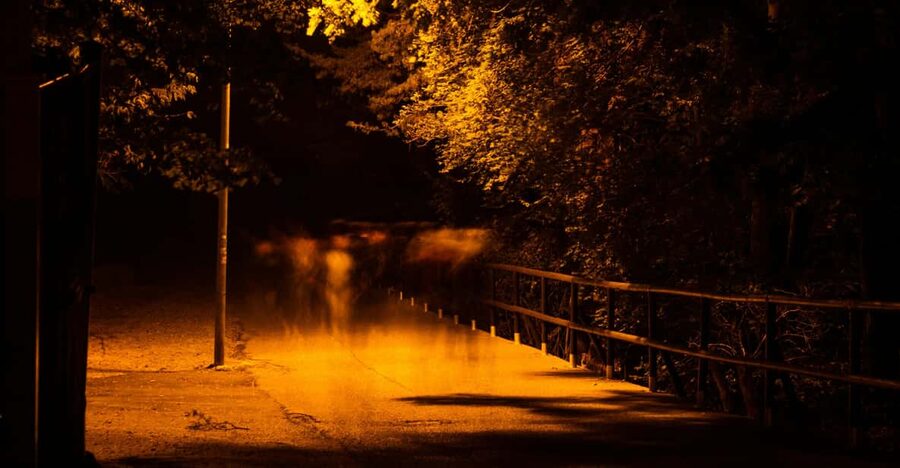
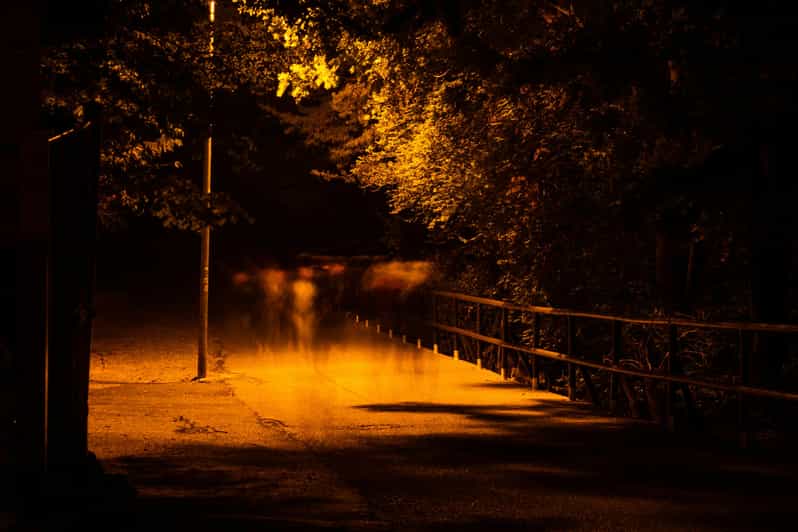
This is not a haunted house attraction. You do not enter a series of staged rooms or meet actors in costume. Instead, you walk through central Dublin after dark while a guide points out places linked to ghosts, strange events, old beliefs, and painful chapters of the city’s past.
That format gives the tour its value. A haunting story is easier to remember when you are standing near the church, library, hotel, station, or courthouse connected with it. You get a little local geography at the same time, and the walk helps you see familiar Dublin landmarks in a less polished light.
The tour begins at Wolfe Tone Sculpture, beside Saint Stephen’s Green and opposite The Shelbourne Hotel. This is a useful meeting point because it is clear and central. Arrive with comfortable shoes and enough time to find the statue. The activity ends back at the same place, so you do not have to work out a late-night route from an unfamiliar final stop.
More Walking Tours in Dublin
- Dublin Highlights and Hidden Gems Guided Walking Tour
★ 5.0 · 6,020 reviews - Dublin: Highlights and Hidden Gems Walking Tour
★ 4.9 · 2,140 reviews - 1916 Rebellion Walking Tour
★ 5.0 · 1,605 reviews
Saint Stephen’s Green and the Shelbourne Hotel
The opening area sets up two very different moods. Saint Stephen’s Green is one of Dublin’s best-known public spaces, while The Shelbourne Hotel carries a more formal, grand atmosphere. Here, the tour introduces the little ghost associated with the hotel, giving you a supernatural story before the route turns toward older religious and civic sites.
I like this early contrast. Dublin’s ghost stories are not confined to ruined buildings or lonely lanes. They can be attached to places that remain part of everyday city life. The hotel story also gives the evening a lighter start before the route moves into more troubling subjects.
The stop is guided rather than a hotel visit. You should not expect entry into The Shelbourne, and no admission is included anywhere on the walk. The appeal comes from hearing the tale in its Dublin setting, not from exploring the building’s interior.
The Black Church and Saint Audeon’s stone
The route includes a warning not to bother the Devil at the Black Church. That detail gives the tour one of its clearest pieces of old Dublin folklore. The story is built around place, name, and belief, so you get more than a generic account of a ghost. The church becomes part of the tale.
Saint Audeon’s Church brings another kind of mystery through its magical stone. This is where the walk connects the supernatural with older religious traditions. I find these stories more rewarding when you enjoy the uncertainty between folklore, faith, and local memory. You can listen for the tale itself, but also notice how unusual objects and old buildings gather stories over time.
The information provided does not promise entry into either church. Treat these stops as guided outdoor visits unless your guide tells you otherwise. Since the tour covers a number of locations in only two hours, the pace may be steady. Wear shoes that can handle city pavements, and do not expect long periods at each stop.
St Patrick’s Cathedral and the darker side of belief
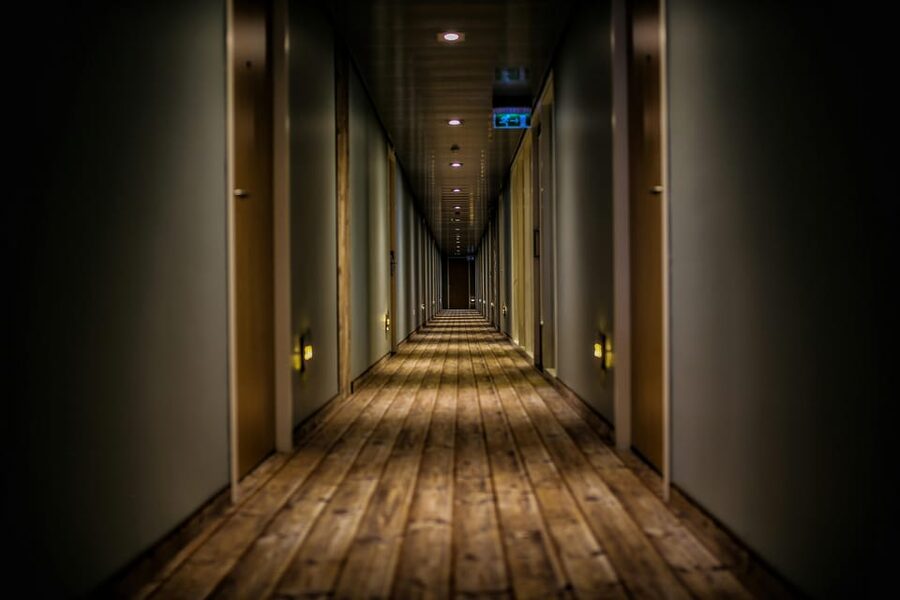
St Patrick’s Cathedral gives the tour a major landmark with a serious religious setting. The stop is not simply about admiring a famous building. It forms part of the route’s look at ghosts, spiritual fear, and the way Dublin’s older places became connected with supernatural accounts.
I appreciate that the cathedral appears alongside less expected subjects. A ghost walk can become repetitive if every stop offers the same kind of apparition. Here, the range is wider: sacred sites, objects, pubs, medical stories, and political history all receive attention.
The tour does not include cathedral admission. That keeps the experience focused and avoids turning the evening into a series of paid indoor visits, but it also means you should not book this as a way to see the cathedral interior. If you want to visit inside, plan that separately.
More Ghost Tours in Dublin:
- Dublin Ghost Bus Tour with Professional Actors
★ 4.5 · 949 reviews - Haunted Dublin Walking Tour
★ 5.0 · 550 reviews - From Dublin: Gravedigger Ghost Bus Tour
★ 4.4 · 546 reviews - Dublin’s Haunted History Walking Tour
★ 4.3 · 345 reviews
Marsh’s Library and its love stories
Marsh’s Library brings a change of tone. The tour revives love stories connected with the library, adding romance to the night’s mix of fear and sorrow. This is a good reminder that haunted places are not always about monsters or violent death. A lingering presence can also be tied to attachment, loss, and unfinished emotion.
The library is one of the route’s most distinctive settings because it links books and scholarship with ghostly storytelling. The supplied details do not state that the tour enters the building, and no entry is included, so expect the guide to use the location as a backdrop for the story.
For me, this is the sort of stop that can make a walking tour feel personal. You are not only collecting facts about old Dublin. You are hearing how people attached feelings to particular rooms and institutions. The story may appeal especially to you if you prefer a romantic or literary thread alongside the darker material.
Science, medicine, and the Hellfire Club
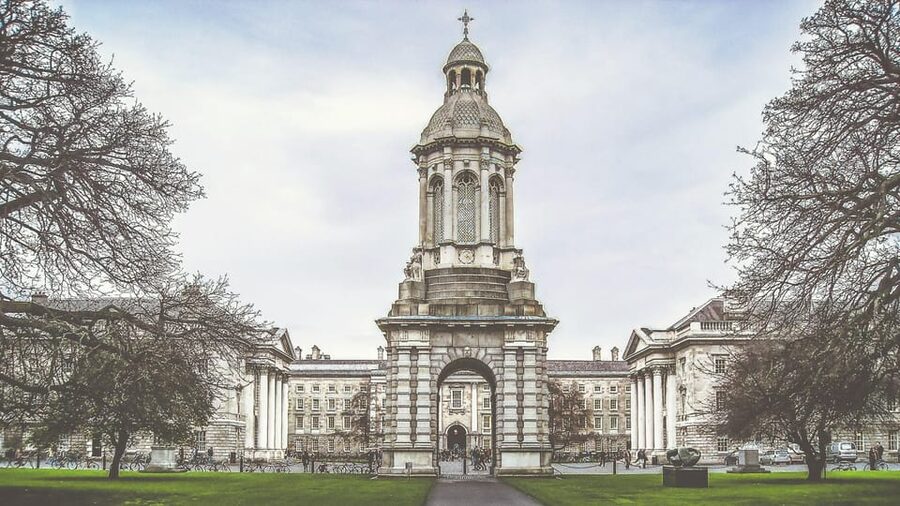
The experience then turns toward the darkest sides of science and medicine. This part sounds less like traditional folklore and more like a look at the fear surrounding illness, treatment, experiments, and human suffering. The available information does not give specific case details, so I would not book expecting a full lecture on medical history. The promise is a darker thematic section within the walk.
The Hellfire Club adds another layer of notoriety. Its reputation has long carried an air of forbidden behavior and danger, making it a natural fit for a night focused on Dublin’s unsettling stories. The guide uses that reputation to build atmosphere, but you should keep expectations grounded. This is a short walking tour, not a separate trip to the site itself.
I like the change in subject because it gives the tour some intellectual variety. You are not asked to accept every tale as fact. Instead, you hear how reputation, fear, and memory can make a place feel haunted. The guide’s humor matters here. Without a little lightness, these subjects could become heavy very quickly.
Four Courts and Dublin Castle
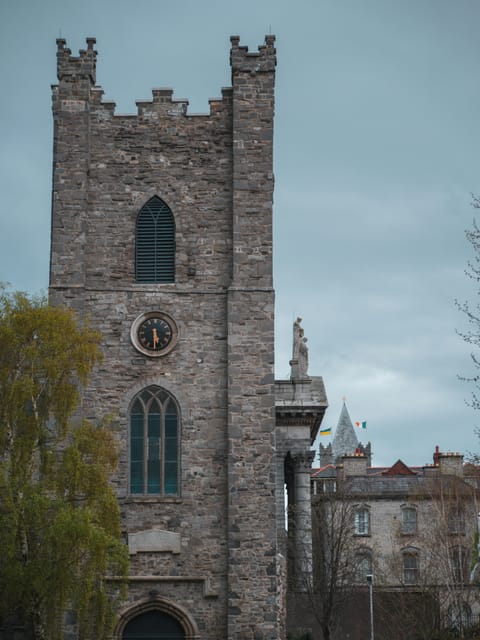
Four Courts and Dublin Castle shift the focus toward public power, law, and the state. These are strong settings for stories about conflict, punishment, authority, and unsettling events. The route uses them as part of a wider look at Dublin’s troubled past rather than treating ghosts as isolated oddities.
At Four Courts, I would expect the guide to connect the building and its surroundings with the darker side of civic life. At Dublin Castle, the stories can sit against a setting shaped by centuries of political power. The exact tales are not specified, so I would avoid assuming a particular ghost or event will be discussed.
These stops also show why the tour works best for someone who wants atmosphere and context, not just a list of haunted addresses. You are walking through places that matter to Dublin’s identity, then hearing the strange or distressing stories that cling to them. That combination makes the route more useful than a purely theatrical ghost walk.
Connolly Station and the city’s war stories

Connolly Station brings war history into the evening. This is a notable shift from churches, hotels, libraries, and folklore. The station gives the guide a setting for discussing conflict and the human cost attached to Dublin’s past.
I value this part of the route because it widens the meaning of a haunted place. A ghost story may point to a personal tragedy, but war history points to collective memory. Even if you are less interested in supernatural claims, the station stop may give you a different way to think about Dublin’s past.
The route information does not list Connolly Station as a numbered stop, but it specifically includes its war history among the subjects covered. That means the guide may discuss it as one of the less obvious locations or as part of a passing explanation. Do not assume you will spend a long period at the station.
Trinity College and the return to Wolfe Tone
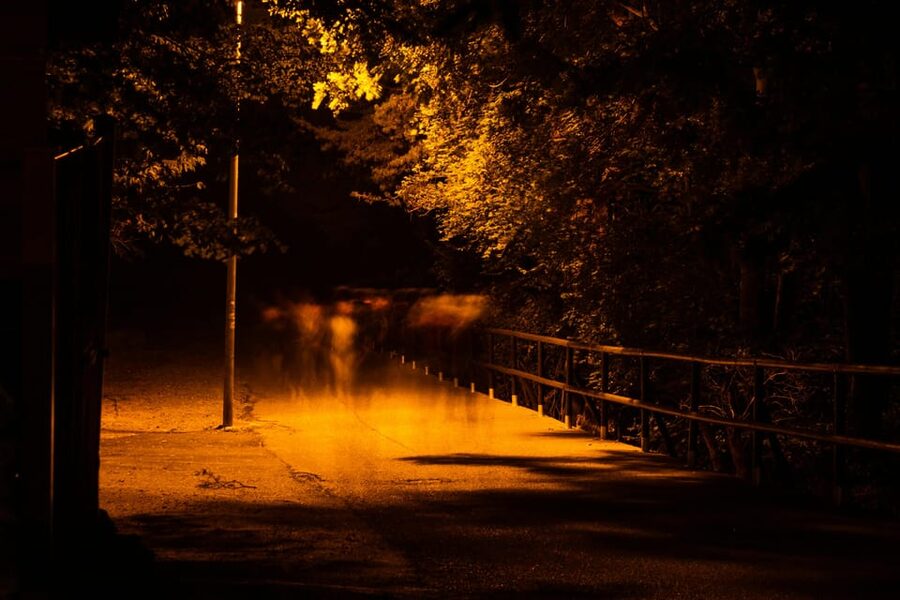
Trinity College Dublin is the final named landmark before the walk returns to Wolfe Tone Sculpture. It gives the route a fitting close, bringing learning, old stories, and Dublin’s literary identity back into the picture.
The tour does not promise entry to Trinity College or the Book of Kells. No admission is included, so you should think of this as an exterior stop and storytelling point. That limitation is important because Trinity is one of Dublin’s most sought-after paid attractions. This experience may spark your interest in a separate visit, but it does not replace one.
Returning to the starting point is convenient. After two hours, you finish where you began near Saint Stephen’s Green and The Shelbourne Hotel. That makes it easier to continue your evening nearby or head back using your own plans.
What the $54 price really covers
At $54 per person, the price is paying for a themed, guided evening walk rather than transportation, food, or attraction entry. The tour lasts two hours and covers a broad central route, so the main product is the guide’s narration and the connection between each location.
I would call the value fair for someone who actively wants ghost stories and a French-speaking guide. You are paying for a focused subject and a route that combines folklore, culture, history, religion, medicine, literature, and war. If you only want to see Dublin’s main landmarks, a standard city walk may serve you better. If you dislike supernatural stories, the price will not feel worthwhile because the theme shapes the entire evening.
The lack of entry tickets is both a limit and a benefit. You do not receive access to the cathedral, library, hotel, castle, or college as part of the fee. On the other hand, the tour can keep moving and cover more ground without stopping for admissions.
The guide’s style and the French-language question
The strongest praise concerns the guide’s manner. The guide is described as very friendly and humorous, with interesting stories and chilling narration. That combination is exactly what this topic needs. Too much seriousness can make a ghost walk gloomy, while too much joking can drain the stories of their effect.
The tour is guided in French. This is not a minor detail. You need enough French to follow spoken storytelling, jokes, place names, and historical explanations in a group setting. If you understand French well, the tour’s praised humor and narration should be a major part of the appeal. If you do not, the visual setting alone will not carry the experience.
No guide name is provided, so I cannot point you toward a particular individual. The available feedback does make the guide’s personality clear: friendly, funny, and able to deliver a chilling story without taking the mood too seriously.
Practical points for choosing the tour
The walk is scheduled for the evening, and starting times depend on availability. That timing suits the subject. Darkness can add atmosphere around churches, lanes, hotels, and public buildings, although the tour remains a city walk rather than a theatrical night show.
The activity information contains a contradiction about wheelchair access. One section says the tour is wheelchair accessible, while another says it is not suitable for wheelchair users. You should confirm this directly before booking, since the route involves walking between many central stops and the supplied details do not explain pavement conditions, stairs, or the exact route.
Free cancellation is available up to 24 hours before the tour for a full refund. You can also reserve now and pay later, which helps if your Dublin schedule is still changing. These policies are useful, but they do not solve the language and mobility questions, so check those first.
This tour suits you best if you:
- Understand French comfortably
- Enjoy ghost stories mixed with real historical settings
- Want an evening activity in central Dublin
- Prefer walking and storytelling to staged effects
- Are happy to view locations without included entry
- Like a guide who uses humor as well as suspense
It may not suit you if you want an English-language tour, a daytime activity, extensive time inside buildings, or a gentle introduction to Dublin for young children. The subject includes distressing stories and dark material, including science, medicine, the Hellfire Club, and war.
Should you book Dublin’s haunted walking tour?
I would book this tour if you understand French and want a compact, story-led look at Dublin after dark. The best reason to go is the range of subjects: the Black Church, Saint Audeon’s magical stone, the Green Lady and her dangerous pub, Marsh’s Library’s love stories, the Hellfire Club, the Shelbourne ghost, and Connolly Station’s war history.
I would skip it if you need English guiding or if your main goal is to enter Dublin’s famous buildings. The $54 fee buys the guide and the themed route, not admission. Check the mobility details before paying because the supplied access information conflicts.
For the right audience, this is a lively way to see familiar Dublin places through old fears, local legends, and painful memories. The humor helps, the two-hour length is manageable, and the return to Wolfe Tone Sculpture keeps the evening simple.
FAQ
Where does the Dublin haunted walking tour start?
It starts at the entrance to Saint Stephen’s Green, facing The Shelbourne Hotel, close to the Wolfe Tone statue.
Where does the tour end?
The activity ends back at the meeting point near Wolfe Tone Sculpture.
How long does the tour last?
The walking tour lasts two hours. Starting times depend on availability.
What language is the tour guided in?
The live guide conducts the tour in French.
Is admission to the churches, library, castle, hotel, or college included?
No. The experience includes the evening walking tour only, and no entry tickets are included.
Can I cancel the tour for a refund?
Yes. You can cancel up to 24 hours in advance for a full refund. You can also reserve now and pay later.
Newest in Dublin
- Wicklow Mountains Private Day Tour including Glendalough★ 5.0 · 7 reviews
- Wicklow: Private Day Tour from Dublin★ 5.0 · 5 reviews
- From Dublin: Powerscourt House, Guinness Lake & Glendalough★ 5.0 · 2 reviews
- Ultimate Dublin Food Tour★ 4.5 · 2 reviews
- Women Of Ireland: Trailblazers & Pioneers★ 5.0 · 4 reviews
- Wicklow tour of Glendalough★ 4.5 · 8 reviews
- Wicklow Mountains & Glendalough Luxury Private Day Tour★ 5.0 · 23 reviews
- Whiskey Tasting Tour of Dublin★ 5.0 · 117 reviews
Ghost Tours, compared.


Hidden Dublin: Haunted History Walking Tour v2.0 2026
Read our review →
Browse the lists this tour appears in