

Reviewed · WALKING TOURS
Vikings In Dublin (Walking Tour)
Dublin’s Viking past is hiding in plain sight. This 1.5-hour walking tour connects the city’s old streets, churches, riverfront story, and archaeological clues to the Norse settlers who helped shape Dublin. At $45 per person, it offers a focused way to see central Dublin through a historical lens rather than simply passing its famous sights.
I especially like the clear route through old Dublin and the chance to visit places tied to the city’s earliest development, including Christ Church Cathedral, Saint Audoen’s, and Fishamble Street. I also like the guide’s approach to Viking society. The explanations cover customs, daily life, motives, and influence instead of presenting the Norsemen as one-dimensional raiders.
The main consideration is language. The live guide is listed as French only, so this tour suits you best if you can follow a French-language explanation. The finish point also needs checking: the route lists Trinity College, while the meeting information says the activity ends back at the starting point.
In This Review
- Key points at a glance
- Why Dublin’s Viking story is worth your time
- Starting beside Báite, the Viking Longboat
- Christ Church Cathedral and Dublin’s oldest layers
- Saint Audoen’s and the medieval city
- Fishamble Street and the old river settlement
- Dublin Castle and changing centers of power
- The secret stop and the less obvious clues
- Trinity College and the route’s final stretch
- What the guide adds to the experience
- Is $45 a fair price?
- Who should book this Dublin Viking walk?
- Final verdict: book it for the story, not the ticket entries
- FAQ
- Where does the Vikings in Dublin walking tour start?
- Where does the tour finish?
- How long does the tour last?
- What language is the tour offered in?
- Is the tour wheelchair accessible?
- What sights are included on the route?
- How much does the tour cost?
- Can I cancel the booking?
Key points at a glance
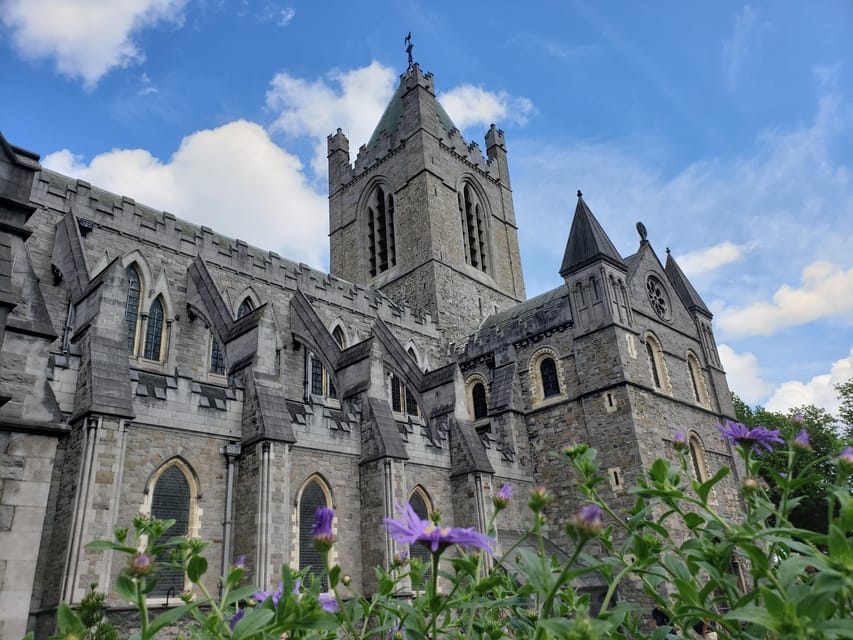
- Start beside a Viking longboat sculpture: Meet at Báite, Viking Longboat (1988) by Betty Newman Maguire.
- See Dublin’s old core on foot: The route links Christ Church Cathedral, Saint Audoen’s, Fishamble Street, Dublin Castle, and other historic locations.
- Learn about more than warfare: The tour covers Viking customs, culture, life in Dublin, and the wider effects of Norse settlement.
- Expect a French-language tour: The listed live guide language is French.
- Plan for a short, concentrated outing: The walk lasts 1.5 hours, making it easy to fit into a Dublin sightseeing day.
- Book with some flexibility: Cancellation is free up to 24 hours before the tour, and you can reserve now and pay later.
Why Dublin’s Viking story is worth your time
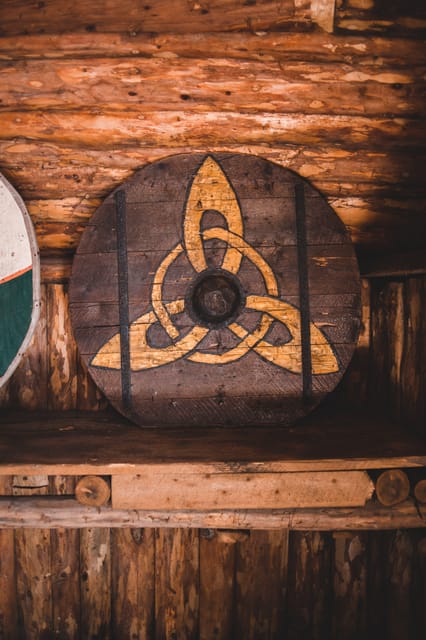
Dublin is often introduced through Georgian streets, literary landmarks, pubs, and grand churches. Yet the city’s earlier Norse chapter explains why this part of the capital matters. The Vikings navigated the River Liffey, used the area around Dubh Linn, and helped establish a settlement that grew into Dublin.
This tour gives you a way to connect separate sights. A cathedral can feel like just another impressive building when you visit on your own. With a Viking-focused guide, Christ Church Cathedral becomes part of a larger story about power, religion, settlement, and the layers beneath modern Dublin.
I value tours like this because they give you a frame for the city. You are not only looking at old stone. You are following a route through places where longships, markets, religious buildings, and political centers shaped one another over time.
The short duration is useful. You will not spend half a day on one subject, and you can pair the walk with a museum visit or another central Dublin sight. The tradeoff is that the tour can only offer an overview. If you want a long archaeological lecture or extended time at each stop, this will feel brisk.
More Walking Tours in Dublin
- Dublin Highlights and Hidden Gems Guided Walking Tour
★ 5.0 · 6,020 reviews - Dublin: Highlights and Hidden Gems Walking Tour
★ 4.9 · 2,140 reviews - 1916 Rebellion Walking Tour
★ 5.0 · 1,605 reviews
Starting beside Báite, the Viking Longboat
The meeting point is the Viking longboat sculpture Báite, Viking Longboat (1988) by Betty Newman Maguire. This is a fitting place to begin because the sculpture gives the group an immediate visual link to the seafaring people at the center of the tour.
Starting with a longboat also helps set the tone. The tour is not only about what the Vikings did after reaching Ireland. Their boats, river routes, trading activity, and ability to move between coastal settlements were central to their success.
You should arrive with comfortable walking shoes and enough time to locate the sculpture. The tour is entirely on foot, and the route includes several historic streets and religious sites. Exact starting times vary, so check availability when booking.
The guide is listed as French-speaking. That detail matters more than the modest price difference between this and other Dublin walks. If you are comfortable listening to French for 90 minutes, the language adds no problem. If not, the historical detail may be hard to follow, even if you can still enjoy the route and buildings.
Christ Church Cathedral and Dublin’s oldest layers
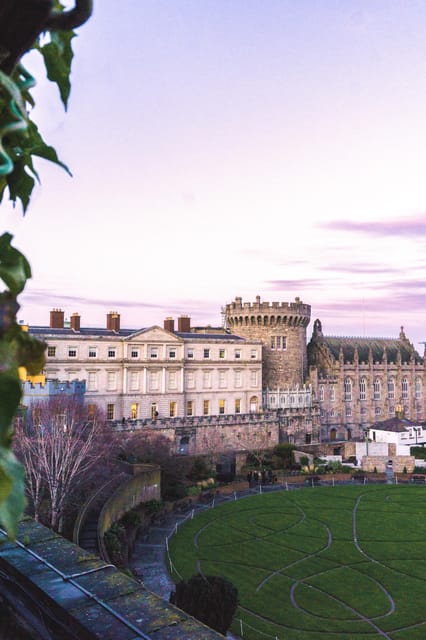
Christ Church Cathedral is one of the major stops. The guided visit places the cathedral within the Viking story rather than treating it as an isolated church attraction.
The cathedral helps explain how Dublin changed as religious and political centers grew around the settlement. The route lets you consider the contrast between the early Norse town and the later Christian institutions that shaped the city.
The information provided does not say that admission inside the cathedral is included, so you should not assume this is a separate cathedral entry ticket. The stop is described as a guided visit, and the guide will explain its place in the tour’s story.
This is one of the strongest parts of the walk for first-time visitors. Christ Church is easy to recognize, but its meaning becomes less obvious without context. The tour should help you understand why this area is important and how the city’s religious and civic life developed around it.
You may also find that the cathedral stop slows the pace slightly. That is useful if you like detailed explanations, but less ideal if you want a quick list of Viking sites. The tour favors storytelling over rushing from one photo stop to the next.
Saint Audoen’s and the medieval city
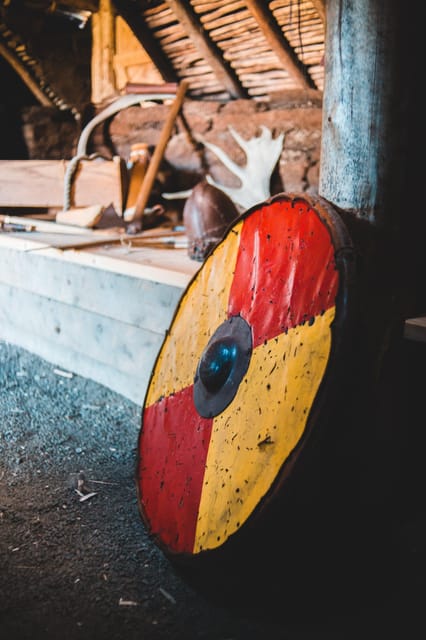
Saint Audoen’s is another important stop along the route. Here, the walk continues through Dublin’s older core and shows how the medieval city extended beyond the best-known central landmarks.
The value of this stop is the connection between individual buildings and the wider town. Viking Dublin was not a single monument. It was a working settlement, and its story is easier to grasp when you move through the streets that later became part of medieval Dublin.
This is also where a guide can add the details that maps often miss. The experience promises information about customs, daily life, and the influence of the Vikings on the world. Those subjects can make Saint Audoen’s more than a quick architectural pause.
The stop may appeal most to you if you prefer local history to a standard sightseeing checklist. It is less suited to someone interested only in major attractions with lots of interior time.
Something completely different for another day:
- Dublin to Cliffs of Moher, including Wild Atlantic Way and Galway
★ 5.0 · 23,331 reviews - From Dublin: Cliffs of Moher, Burren & Galway City Day Tour
★ 4.8 · 18,888 reviews - Dublin: Guinness Storehouse Entry Ticket
★ 4.6 · 16,863 reviews - Dublin to Cliffs of Moher, Burren, Wild Atlantic Way, Galway Tour
★ 5.0 · 12,924 reviews
Fishamble Street and the old river settlement
Fishamble Street provides another link to early Dublin. The route uses the street to explain the places where commerce and settlement took shape.
The tour description points to ancient paths where longships once docked and markets thrived. Fishamble Street fits that practical side of the story. It brings the focus down from famous buildings to streets used by ordinary people, traders, and workers.
That shift is important. Viking history is often reduced to weapons and raids, but a settlement survives through trade, food, craft, family life, and exchange. A stop such as Fishamble Street gives the guide room to explain how Norse culture operated in everyday Dublin.
You should expect this part to be an outdoor historical explanation rather than a formal attraction. There is no stated museum entry or scheduled indoor exhibit here. The reward comes from seeing a normal city street with a different set of questions in mind.
Dublin Castle and changing centers of power
Dublin Castle adds a later political layer to the walk. It is not presented as a Viking building, but it helps show how Dublin’s centers of authority changed over time.
By placing Dublin Castle on the route, the guide can connect the early settlement with the political city that followed. You will get a broader view of Dublin’s development, from Norse activity along the Liffey to later systems of rule.
This is a helpful choice for anyone who wants more than a narrow Viking theme. The walk does not isolate the Norse period from everything that came after it. Instead, it uses central landmarks to show how one era left traces and how later Dublin grew around them.
The drawback is that a short tour cannot explain every period in equal detail. Dublin Castle is likely to be useful as a point of comparison, but it is not a replacement for a dedicated castle tour. If you want to explore the castle interiors, plan separate time.
The secret stop and the less obvious clues
The itinerary includes a secret stop and another location described as a hidden site. Exact details are not provided, which means you should treat these as surprises rather than plan your day around a specific monument.
That uncertainty can be part of the fun. Dublin’s Viking story is not limited to a single museum or clearly marked ruin. A guide can point out details in the city’s foundations, street plan, or old buildings that you might otherwise walk past.
I would especially value these stops because they can make the tour feel like an investigation. The famous sights give you orientation, while the less obvious locations show how much of Dublin’s early story is folded into the modern city.
Still, do not book this expecting a major excavation visit unless the guide confirms it. The available information only promises guided stops and references to hidden traces in Dublin’s foundations. The exact content may depend on the route and the guide’s presentation.
Trinity College and the route’s final stretch
The listed route finishes at Trinity College. That gives you a useful central location for continuing your day, with many Dublin attractions within walking distance.
Trinity College is not described as a Viking site on this tour. Its role appears to be a practical endpoint after the walk through the older parts of Dublin. It can also help you plan your next stop, provided the route really ends there on your chosen departure.
There is a small logistical wrinkle. The meeting information says the activity ends back at the meeting point, while the route says Trinity College. I would confirm the final stop with MP Tour Guiding before setting a tight schedule, especially if you have a timed admission or dinner reservation afterward.
What the guide adds to the experience
The guide is the heart of this tour. The strongest praise focuses on the quality of the historical explanation, the ability to answer questions, and a balanced view of Viking society.
That balance matters. A good guide can explain that the Vikings were not simply barbarians arriving to cause trouble. Their actions had many motives, and their culture included social customs, trade, settlement, and political ambitions. The tour is designed to cover those details in clear, concise terms.
The guide also received praise for adapting to a participant with a minor health problem. That suggests a considerate approach, although it does not guarantee that every need can be handled on every departure. The activity is listed as wheelchair accessible, which is useful practical information for anyone checking mobility options.
The language is the one major limit. The listed language is French, with no English option shown. If you speak French, this can be a strong choice for learning Dublin’s Viking story. If you do not, choose a tour you can fully understand rather than relying on scenery alone.
Is $45 a fair price?
At $45 per person, the value depends on what you want from a Dublin walking tour. You are paying for a 90-minute guided route through several historically important areas, not for a full-day excursion or a package of attraction admissions.
I think the price is reasonable if the guide’s historical detail is your main goal. The tour covers a wide section of central Dublin and gives you a connected story, which is difficult to build from separate guidebook entries.
The value is weaker if you expect entry to several paid attractions. The details provided include a guided walking tour, but they do not state that cathedral or castle admission fees are included. Check the booking terms if entering a specific site is important to you.
The reserve-now, pay-later option also helps if your schedule is still taking shape. Free cancellation up to 24 hours before the tour gives you a little protection, though you should still check the exact conditions at booking.
Who should book this Dublin Viking walk?
This tour suits you if you enjoy:
- Short historical walks with several connected stops
- Learning how ordinary streets fit into a city’s past
- Viking culture, customs, settlement, and trade
- A guide who welcomes questions and explains complex events plainly
- French-language sightseeing
- A central activity that fits around other Dublin plans
It may not suit you if you need an English-speaking guide, want extensive time inside major attractions, or prefer a tour built around archaeological displays. It is also not the best match if you want a broad general introduction to all of Dublin. The focus stays on the Viking period and its influence.
Families with older children may appreciate the route because the subject has a strong story and the walk lasts only 1.5 hours. The provided information does not give a minimum age, child price, group size, or terrain details, so check those points if they affect your plans.
Final verdict: book it for the story, not the ticket entries
I would book this walk if you want to understand why Dublin began where it did and how the Viking period shaped the city that followed. The route links Christ Church Cathedral, Saint Audoen’s, Fishamble Street, Dublin Castle, and less obvious locations in a way that should make central Dublin easier to read.
The strongest reason to choose it is the guide’s historical style: clear, balanced, and open to questions. The main reasons to pause are the French-only language listing, the lack of stated admission details, and the unclear final meeting point.
For a French-speaking visitor who values history and wants a compact introduction to Dublin’s Norse past, $45 is a fair spend. Confirm the finish location and what, if anything, is included for site entry before booking.
FAQ
Where does the Vikings in Dublin walking tour start?
The tour starts at Báite, the Viking Longboat sculpture from 1988 by Betty Newman Maguire.
Where does the tour finish?
The route lists Trinity College as the finish point. The meeting information says the activity ends back at the starting point, so confirm the final location with MP Tour Guiding before the tour.
How long does the tour last?
The walking tour lasts 1.5 hours.
What language is the tour offered in?
The live tour guide is listed as French-speaking, and French is the only language provided in the activity details.
Is the tour wheelchair accessible?
Yes. The activity is listed as wheelchair accessible.
What sights are included on the route?
The route includes a secret stop, Christ Church Cathedral, Saint Audoen’s, Fishamble Street, Dublin Castle, another less-publicized stop, and Trinity College.
How much does the tour cost?
The listed price is $45 per person. The information does not state that admission fees for attractions are included.
Can I cancel the booking?
Yes. You can cancel up to 24 hours in advance for a full refund. You can also reserve now and pay later.
Newest in Dublin
- Wicklow Mountains Private Day Tour including Glendalough★ 5.0 · 7 reviews
- Wicklow: Private Day Tour from Dublin★ 5.0 · 5 reviews
- From Dublin: Powerscourt House, Guinness Lake & Glendalough★ 5.0 · 2 reviews
- Ultimate Dublin Food Tour★ 4.5 · 2 reviews
- Women Of Ireland: Trailblazers & Pioneers★ 5.0 · 4 reviews
- Wicklow tour of Glendalough★ 4.5 · 8 reviews
- Wicklow Mountains & Glendalough Luxury Private Day Tour★ 5.0 · 23 reviews
- Whiskey Tasting Tour of Dublin★ 5.0 · 117 reviews
Walking Tours, compared.
Dublin Highlights and Hidden Gems Guided Walking Tour
Read our review →
90 Minute Dublin Walking tour and Sightseeing tips
Read our review →

Historical 2-Hour Guided Walking Tour of Dublin
Read our review →
Dublin Traditional Irish 3 Course Meal Walking Tour with Local
Read our review →
Browse the lists this tour appears in