
Reviewed · WALKING TOURS
Cork Private Walking Tour
Cork’s story is written in its streets. This private walk brings together Viking beginnings, trading history, churches, the English Market, and the city’s role in the Irish Civil War. I like the private format, which gives your group room to ask questions, and I like the chance to shape the outing with your guide as you go. The main limitation is time: two hours passes quickly in a city with this much to explain.
The tour begins and ends at the National Monument on Grand Parade, a handy central point for getting your bearings. Guide Monica has earned especially warm praise for giving her group plenty of time and keeping the experience informative, fun, and engaging. Still, remember that entrance fees are not included, so any paid interiors or attractions would cost extra.
In This Review
- What makes this Cork walk worth your time
- Starting at the National Monument on Grand Parade
- Cork’s monastic roots and Viking turning point
- Churches that reveal Cork’s changing identity
- The English Market and Cork’s everyday character
- From trade routes to plague and dynastic war
- Cork, the rebel city, and the Irish Civil War
- Walking beside the River Lee
- What the private format changes
- Timing, language, and practical planning
- Is the $284 group price a good deal?
- Who should book this Cork walking tour?
- FAQ
- Where does the Cork private walking tour start?
- Where does the tour finish?
- How long does the walking tour last?
- How large can the private group be?
- What languages are available?
- Are entrance fees included?
- Can I cancel for a full refund?
- Should you book it?
What makes this Cork walk worth your time
- A city built on an ancient monastic settlement: Cork’s oldest chapter gives the walk a strong starting point beyond the usual sightseeing checklist.
- Viking and Norse connections: You hear how invaders became settlers and how Cork joined wider Scandinavian trade routes.
- The English Market at street level: Food smells, narrow lanes, and local commerce show how Cork’s trading character still feels close at hand.
- Churches and architecture: The city’s buildings help explain its religious, commercial, and political past.
- A private group of up to 15: You can ask questions without sharing the guide with a large public crowd.
- A flexible route: The guide may adapt the walk on the spot to suit your interests.
Starting at the National Monument on Grand Parade
The meeting point is the National Monument at 48 Grand Parade, in central Cork. Since the tour returns here, you avoid the nuisance of ending across town and having to find your way back to your hotel or transport connection.
Grand Parade is a useful place to begin because the walk quickly places Cork in context. You are not simply being led from one photo stop to another. The story starts with the city’s early settlement and then moves through the forces that changed it: monastic life, Viking attacks, Norse settlement, commerce, plague, dynastic conflict, and civil war.
I appreciate this kind of opening because Cork can seem compact and modern at first glance. Its streets are filled with shops, cafés, pubs, and restaurants, yet the ground beneath them carries a long sequence of upheavals. A local guide can point out how the present-day city grew from those earlier layers.
The National Monument also keeps the arrival simple. You do not need a complicated transfer or a separate meeting place outside the center. Check the available starting times when booking, since the tour runs for two hours and departure times can vary.
More Walking Tours in Cork
- Cork: Guided Historical Walking Tour
★ 4.7 · 310 reviews - The Titanic Trail: 1-Hour Guided Walking Tour of Cobh
★ 4.8 · 78 reviews - Cork Instagram Photography Walking Tour
★ 5.0 · 54 reviews
Cork’s monastic roots and Viking turning point
One of the most worthwhile parts of the walk is the explanation of Cork’s ancient monastic settlement. This gives the city a foundation that predates its later commercial identity and helps explain why the area became important in the first place.
From there, the story turns toward Viking invaders and Norse settlers. The distinction matters. The Vikings were not only raiders passing through Ireland. Their activity helped connect Cork to wider patterns of settlement, trade, and maritime movement.
Your guide can show how Cork developed as a trading center, with links reaching into the wider Scandinavian world. That wider setting makes the city’s past more interesting than a simple local tale. Goods, people, and ideas moved across the water, and Cork became part of a network extending beyond Ireland.
I like this section for another reason: it links history to geography. The River Lee and Cork’s position help explain why people kept returning to this place. The water was not just a scenic feature. It supported movement, trade, and contact with distant shores.
Do not expect an archaeological tour with a long list of excavated objects. The experience is a walking conversation through the city, supported by streets, buildings, and local stories. If you enjoy understanding how a place developed, rather than only collecting names and dates, this part should appeal to you.
Churches that reveal Cork’s changing identity
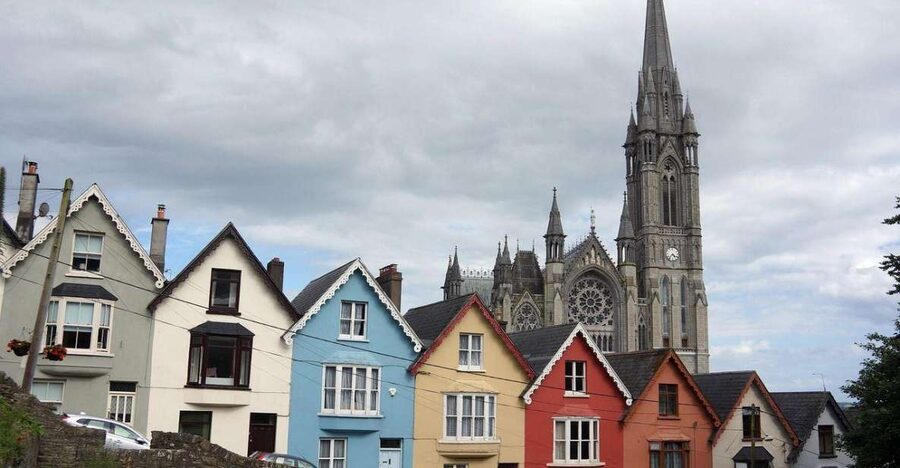
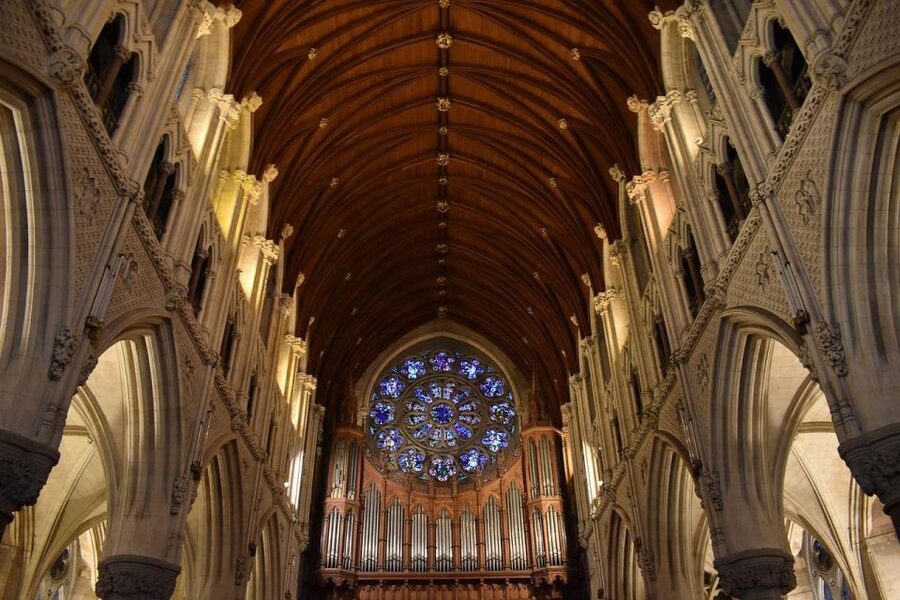
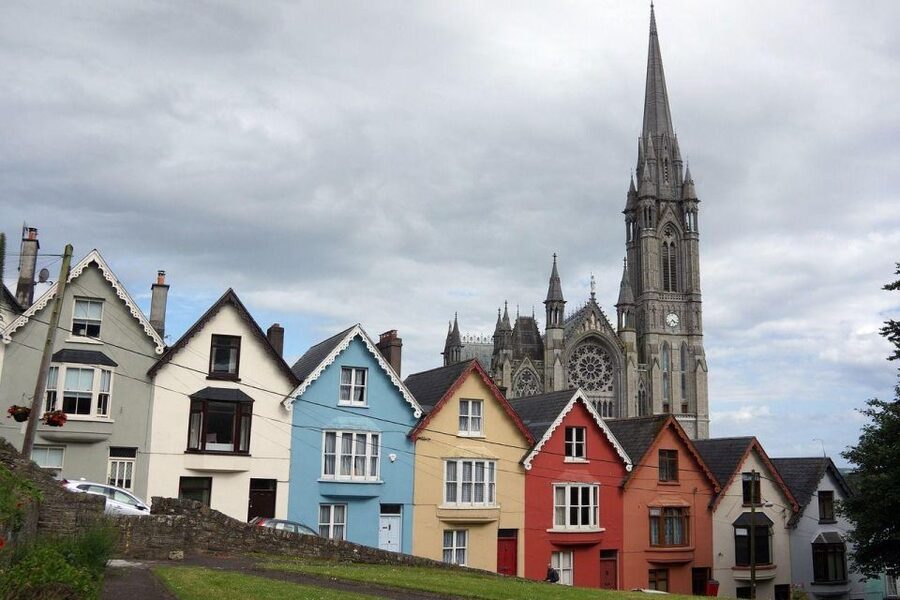
Cork’s churches provide some of the walk’s clearest architectural points. The tour includes magnificent churches, and these buildings offer more than attractive stonework or impressive interiors. They reflect the city’s religious life and the political changes that shaped Ireland.
A church can also give you a pause from the narrower streets. You may find it easier to understand Cork’s past when the guide ties a building to the people who funded it, worshipped there, or fought over the beliefs it represented.
The exact churches visited can depend on the guide and the route chosen. Since this is a private walk with possible on-the-spot adjustments, you can tell your guide if architecture matters more to you than military history, commerce, or food culture. That flexibility is one of the stronger reasons to choose this format.
Keep the entrance-fee point in mind. The tour price covers the local professional guide, but it does not cover admissions. The supplied details do not specify which interiors require payment, so ask the guide on the day if you are considering going inside a particular site.
The English Market and Cork’s everyday character
The English Market is one of the most appealing stops because it brings Cork’s past into the present. Its stalls and food aromas show a city still connected to buying, selling, and eating well.
I like the contrast here. The Viking and monastic sections deal with distant centuries, while the market gives you something immediate and sensory. You can see the narrow streets around it, smell food as you walk, and watch the city’s commercial life continue in real time.
The market also helps you understand Cork as a working city, not only as a collection of historic monuments. Shops, pubs, cafés, and restaurants fill the center, and the walk gives you a chance to notice how people use these streets today.
With only two hours, do not count on a long independent shopping stop unless your guide chooses to build one in. The market is part of a guided city walk, not a dedicated food tour. If tasting or browsing is your main goal, plan to return after the tour with more time.
Still, the stop is useful for orientation. Your guide can help you see where the center’s lanes lead and may offer ideas for continuing on your own. The tour itself does not promise tastings or meals, so treat the English Market as a cultural and visual stop rather than an included food experience.
Something completely different for another day:
- From Cork: Ring of Kerry Guided Day Trip
★ 4.3 · 1,284 reviews - Cliffs of Moher and More: Full-Day Tour from Cork
★ 4.4 · 879 reviews - Cork Midleton DistilleryJameson Experience & Whiskey Tasting
★ 5.0 · 681 reviews - Ring of Kerry Day Tour from Cork: Including Killarney National Park
★ 4.5 · 663 reviews
From trade routes to plague and dynastic war
The historical range is broad for a two-hour walk. Beyond Cork’s early settlement and Viking connections, you hear about the Black Death and the Wars of the Roses.
These subjects help show that Cork was never isolated from wider European events. Disease and dynastic conflict affected trade, population, power, and daily life. The value of the guide is not simply naming these events, but connecting them to a place you can see while walking.
This is also where expectations matter. You will not receive a full academic course on medieval Ireland or Europe. Instead, you get a concise account of how major events reached Cork and changed the city’s fortunes.
I find that approach particularly useful for a first visit. You get enough background to make later visits to churches, museums, or historic streets more meaningful. If you are already a specialist in medieval politics, you may want a longer subject-specific tour. For most visitors, the broad frame should be a good fit.
The guide’s role matters here. A dry list of dates would make this section feel heavy. Monica’s praise for giving plenty of time, explaining clearly, and keeping the walk engaging suggests the human side of the experience is a real strength. The tour is likely best when you ask questions and let the conversation develop rather than treating it as a fixed lecture.
Cork, the rebel city, and the Irish Civil War
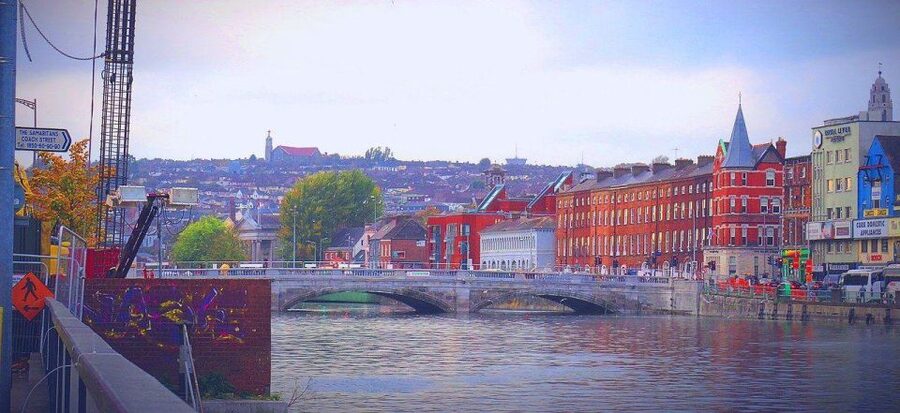
The walk also reaches Cork’s modern political story, including the Irish Civil War. This gives the city a reputation and identity that are different from its medieval beginnings.
The phrase rebel city is not just a colorful label in this context. It points toward Cork’s role in Ireland’s political struggles and the tensions that shaped the country after independence. Moving from Viking raids to civil conflict shows how often Cork had to adjust to pressure from outside and within.
This section may be especially useful if you know little about Irish history. The Irish Civil War can be confusing when encountered only through dates and names. A local guide can place the subject in the streets of Cork and explain why the city remembers the period in a particular way.
At the same time, the tour’s two-hour limit means this will be one part of a larger story. You should not expect every military, political, or personal detail. Think of it as an introduction that gives you enough context to decide what you want to explore later.
The mix of ancient and modern history is one of the tour’s best features. You are not left with the impression that Cork belongs to one period only. Its character comes from repeated change, survival, and reinvention.
Walking beside the River Lee
The River Lee adds a welcome outdoor element to the route. Cork’s streets can feel tight, with shops and cafés packed into the center, so a walk beside the water gives your eyes a little room.
The river also ties the main historical themes together. It helps explain Cork’s trading role, its connections with Scandinavia, and the practical reasons a settlement developed here. You are looking at scenery, but the water is also part of the city’s working story.
Do not expect a separate river cruise or a long scenic promenade. The supplied details describe walking along the River Lee as part of the city experience. The amount of riverside time will depend on the guide’s route and the interests of your group.
Wear comfortable shoes. The tour is only two hours, but it moves between churches, streets, the market area, and riverside sections. Cork’s charm comes partly from its compact lanes, and compact lanes are not always the easiest surfaces for hurried walking.
What the private format changes
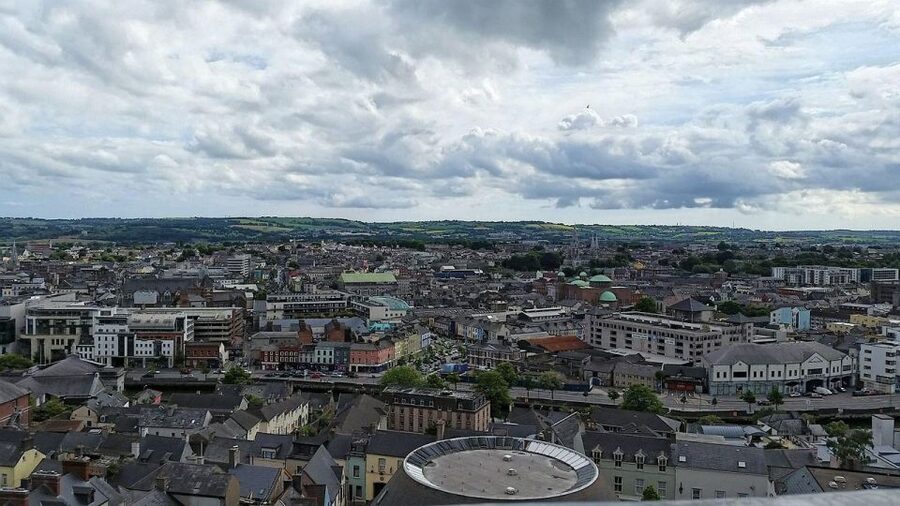
This is a private group tour for up to 15 people, with a local professional guide assigned only to your group. That makes a real difference if you want to ask about family connections, Irish politics, food, architecture, or the best way to spend the rest of your day.
The guide can also customize the walk on the spot. This does not mean every possible attraction is guaranteed. It means your group has more room to discuss priorities than it would on a large scheduled tour.
For a couple or small family, the total price of $284 may look high at first. The calculation changes when several people share it. At the maximum group size, the cost works out to less than $19 per person, before any admissions. For two people, it is a much larger per-person expense, so the value depends on how much you prize privacy and conversation.
I would choose this format for a family group, friends traveling together, or anyone with specific questions about Cork. It is also a good choice if you dislike being herded along behind a flag in a large crowd.
The private setup has one possible weakness: the quality of the experience depends heavily on the guide assigned to your group. The available feedback is very positive, with Monica singled out for being accommodating, informative, fun, and engaging. That is encouraging, but no booking can promise that every group will have Monica unless the provider confirms it directly.
Timing, language, and practical planning
The walk lasts two hours and is offered with a live guide in English or Irish. That is enough time for a useful introduction to central Cork, but not enough to see every church, market corner, and historic point at length.
I would schedule it early in your Cork visit if possible. The central meeting point and return to Grand Parade make it a good way to get oriented before exploring independently. You can then return to the English Market, spend longer beside the river, or investigate a church or museum that catches your attention.
There is no transport included because this is a walking experience. That keeps the tour focused and avoids time lost getting on and off a vehicle. It also means you should be ready to walk for the full two hours.
The guide speaks English or Irish. If you need another language, this experience is not presented as offering one. Entrance fees are separate, and the details do not promise food, drinks, or other extras.
You can cancel up to 24 hours before the tour for a full refund, and you can reserve now while paying later. Those terms are useful if your Cork plans may shift, especially during a trip with several moving parts.
Is the $284 group price a good deal?
The answer depends on group size. For a full group of 15, the price is strong for a private two-hour guide. For a smaller party, you are paying for the private attention rather than simply for two hours of walking.
The most valuable part is the interpretation. Cork is easy enough to walk through on your own, but the city’s Viking connections, Scandinavian trade links, medieval setbacks, and Civil War story are harder to spot without context.
I would not book this tour expecting a long list of included attractions or a bargain-priced sightseeing loop. I would book it for the chance to ask questions, adjust the emphasis, and understand why Cork developed as it did.
The perfect value case is a group of several people who want a shared introduction. The weaker value case is a solo visitor who mainly wants to browse the market or stroll along the river without a set route.
Who should book this Cork walking tour?
You should consider it if you want:
- A short introduction to Cork before exploring alone
- A private guide rather than a large group
- Stories about Vikings, Norse settlers, trade, plague, dynastic conflict, and civil war
- A mix of architecture, churches, market streets, and river views
- The chance to ask questions and adjust the focus
- A central start and finish at the National Monument
You may want something else if you need a full-day historical tour, guaranteed access inside specific buildings, food tastings, or transport between distant sights. None of those are included in the stated experience.
FAQ
Where does the Cork private walking tour start?
It starts at the National Monument, 48 Grand Parade, Centre, Cork, T12 PY86, Ireland.
Where does the tour finish?
The activity ends back at the meeting point at the National Monument.
How long does the walking tour last?
The tour lasts two hours. Starting times depend on availability.
How large can the private group be?
The private group can include up to 15 people.
What languages are available?
The live guide is available in English or Irish.
Are entrance fees included?
No. Entrance fees are not included in the tour price.
Can I cancel for a full refund?
Yes. You can cancel up to 24 hours in advance for a full refund.
Should you book it?
I would book this tour if you want Cork’s streets to make more sense, not just look attractive. Its best qualities are the private format, the flexible conversation, and the wide sweep from monastic origins and Viking settlement to the English Market, River Lee, and Irish Civil War.
The $284 price makes the most sense for a group sharing the cost. If you are traveling with several people, the private guide and adjustable route offer solid value. If you are alone or mainly interested in food and independent wandering, you may get more from exploring Cork at your own pace.
For a first visit, this is a practical, story-led introduction to a city that rewards curiosity. Just allow extra time afterward for the places that deserve a slower look.
Newest in Cork
- Wild Coast Bike and EBike Tour in Kinsale Cork Ireland★ 5.0 · 12 reviews
- Toe Head Clifftop Hike in West Cork★ 5.0 · 48 reviews
- Fota House, Arboretum & Gardens Admission Ticket★ 5.0 · 67 reviews
- Full-Day Private Whispers of Kerry Emerald Dreams Tour from Cork★ 5.0 · 6 reviews
- The River Lee Cork To Dublin Airport Or Dublin City Private Chauffeur Transfer★ 5.0 · 1 review
- This Is Cork Tours Cork’s Many Childhoods A Family Tour★ 4.5 · 2 reviews
- Private Ring of Kerry Highlights Tour from Cork, Car or Minibus★ 5.0 · 39 reviews
- Historic Gems Unveiled: Private Walking Tour of Cork★ 5.0 · 2 reviews
Walking Tours, compared.
Dublin Highlights and Hidden Gems Guided Walking Tour
Read our review →
90 Minute Dublin Walking tour and Sightseeing tips
Read our review →

Historical 2-Hour Guided Walking Tour of Dublin
Read our review →
Dublin Traditional Irish 3 Course Meal Walking Tour with Local
Read our review →
Browse the lists this tour appears in