
Reviewed · HISTORICAL TOURS
Dublin: LGBT Pride Walking Tour with Queer History
Queer Dublin has stories most visitors miss. This two-hour walking tour links streets, buildings, and people to Ireland’s long fight for LGBTQ+ rights. I like its clear focus on real places and the way it connects political change with personal stories. The main drawback is that two hours can feel short for such a broad subject.
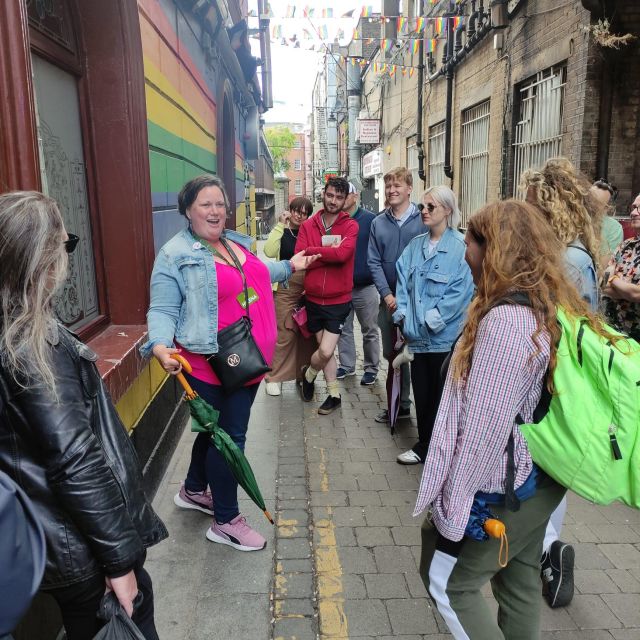
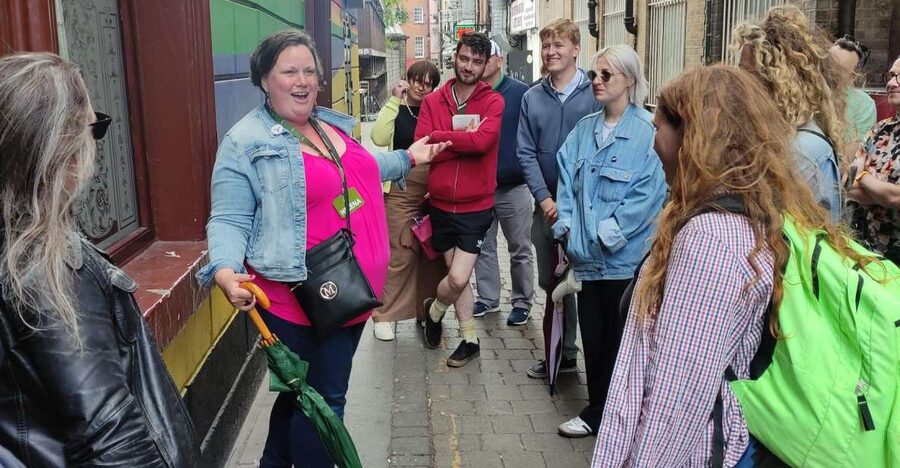
I also like the human touch. Guide Helena has been praised for her warmth, humor, personal stories, and ability to answer questions without making the tour feel like a lecture. You should expect a city walk with serious material, but also plenty of conversation and wit.
In This Review
- Key points to know before booking
- Why this Dublin walking tour matters
- Meeting Helena outside the Old Storehouse
- The General Post Office and queer revolutionaries
- Liberty Hall and the first Pride protest
- Dr Lydia Foy and gender recognition
- Trinity College and the Sexual Liberation Movement
- The Hirschfield Centre and community spaces
- Diceman’s Corner and Dublin’s social history
- The George, Ireland’s best-known LGBTQ+ venue
- What the two-hour format does well
- Is $27 a fair price?
- Who should book this walk?
- Booking details that matter
- Should you book the Dublin LGBT Pride Walking Tour?
- FAQ
- Where does the Dublin LGBT Pride Walking Tour start?
- Where does the walking tour finish?
- How long does the tour last?
- What language is the tour in?
- How much does the tour cost?
- What locations are included?
- Which people are discussed on the tour?
- Is the tour wheelchair accessible?
- Can I cancel for a refund?
Key points to know before booking
- Liberty Hall marks an early Pride protest: Learn how the site connects to Dublin’s first Pride protest and the public fight for recognition.
- Helena brings energy and personal insight: Her style is welcoming, funny, and conversational, with personal anecdotes adding warmth.
- The route links famous sights with queer history: Expect stops or discussions around the General Post Office, Trinity College, The George, the Hirschfield Centre, and Diceman’s Corner.
- Ireland’s move toward marriage equality is central: The tour traces the shift from exclusion and abuse to wider legal recognition.
- The tour costs $27 per person: For two hours of guided interpretation in central Dublin, that is a fair price if this subject matters to you.
- You end where you began: Meet outside the Old Storehouse Bar & Restaurant, look for the green umbrella, and wear comfortable shoes.
Why this Dublin walking tour matters
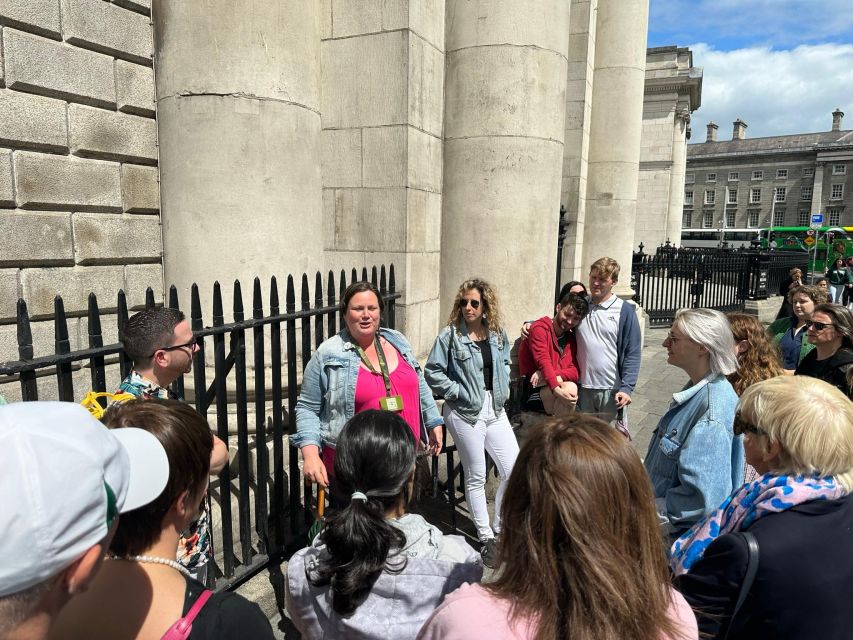
Dublin’s queer story is not separate from Irish history. It crosses revolution, civil rights, nightlife, student activism, public protest, medicine, law, and popular culture. That makes this tour useful even if you already know the city’s main landmarks.
I like the way the route appears to treat the city as evidence. You are not only hearing names and dates in a room. You are standing outside places connected to protest, social change, queer community life, and public debate.
The subject is also presented as a story of movement. Ireland once had laws and social attitudes that excluded LGBTQ+ people, while later decades brought greater visibility, legal change, and marriage equality. The tour does not reduce that shift to a simple happy ending. The supplied details point to both hardship and progress, which gives the experience more weight.
This is a walking tour first, so you should not expect museum displays, a bus, or a long formal presentation at each stop. The value comes from having a guide explain what you are seeing and why it matters.
More History Tours in Dublin
- Dublin Historical Centre Food Tour with 8 Food Tastings & Drinks
★ 5.0 · 1,718 reviews - 2-Hour Historical Walking Tour from Dublin
★ 5.0 · 875 reviews - Historical 2-Hour Guided Walking Tour of Dublin
★ 4.7 · 865 reviews
Meeting Helena outside the Old Storehouse
The tour begins directly outside the Old Storehouse Bar & Restaurant. The practical marker is simple: look for a guide carrying a green umbrella.
That detail matters in central Dublin, where busy streets and restaurant fronts can make a meeting point easy to miss. Arrive with enough time to locate the entrance and keep your phone available in case you need to check the booking details.
Helena receives the strongest praise in the available comments. I would expect her approach to suit you if you prefer a guide who talks with the group rather than simply reciting a script. She has been described as sweet, welcoming, genuine, energetic, witty, and very good at making difficult material accessible.
Several comments also point to her personal anecdotes. Those details can make a history tour feel less distant, especially when the subject includes discrimination, identity, and the slow pace of legal change.
The tour is in English. Its listed length is two hours, and it returns to the same meeting point. That makes it easy to fit into a day of sightseeing, though the compact schedule means the guide must move at a steady pace.
The General Post Office and queer revolutionaries
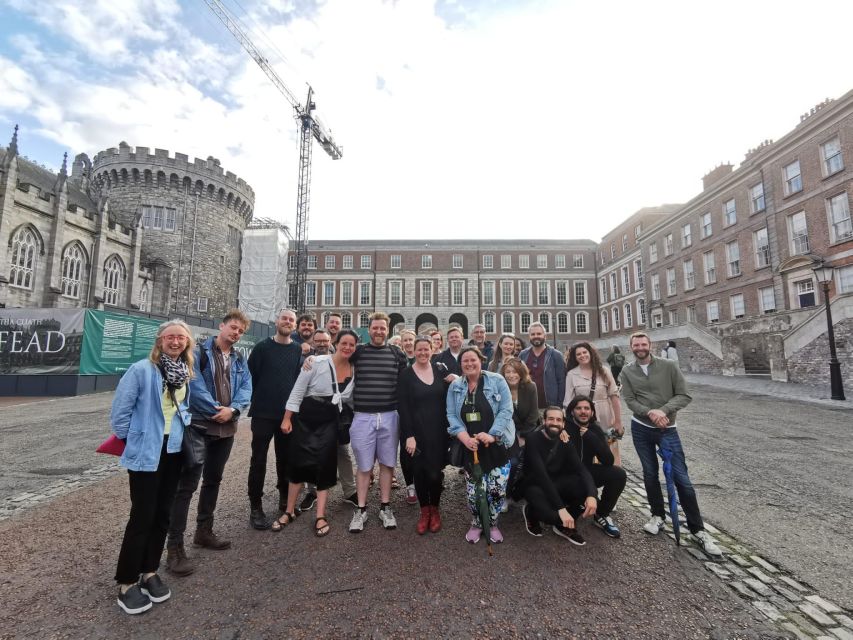
The General Post Office is one of Dublin’s best-known landmarks, usually linked with the 1916 Easter Rising. Here, the tour adds another angle by discussing revolutionary queer figures, including Panti Bliss.
That connection is important because it places queer lives inside the wider story of Irish political change. You are not being asked to view LGBTQ+ history as a side topic. Instead, the tour shows how queer people have also taken part in public debate, protest, and national life.
Panti Bliss is a particularly useful figure for this discussion because she is closely associated with modern Irish public conversations about equality and prejudice. The tour uses her story alongside earlier figures, helping you see that the campaign for recognition did not begin with one recent event.
The stop also gives the guide a chance to connect symbolic national spaces with questions of identity. The GPO may be familiar from another tour, but its meaning changes when you hear how queer figures have challenged the idea of who gets to speak for Ireland.
Liberty Hall and the first Pride protest
Liberty Hall is one of the key stops because it is linked with the first Pride protest in Dublin. This part of the walk focuses on public visibility, a subject that sits at the heart of queer activism.
A protest changes the use of a place. A building is no longer just a building. It becomes a meeting point for people willing to be seen, heard, and counted. The guide’s role is to explain that shift and show how public action helped move LGBTQ+ rights from private conversations into national debate.
I find this likely to be one of the strongest sections for anyone interested in civil rights movements. It also helps explain why legal change can take time. A Pride protest is not only a celebration. In this context, it is part of a longer demand for safety, dignity, and equal treatment.
The discussion appears to balance struggle with achievement. Ireland’s move from exclusion and abuse toward marriage equality is a major part of the story, but the route also points to the work needed before that change became possible.
More Walking Tours in Dublin
- Dublin Highlights and Hidden Gems Guided Walking Tour
★ 5.0 · 6,020 reviews - Dublin: Highlights and Hidden Gems Walking Tour
★ 4.9 · 2,140 reviews - 1916 Rebellion Walking Tour
★ 5.0 · 1,605 reviews - 90 Minute Dublin Walking tour and Sightseeing tips
★ 5.0 · 916 reviews
Dr Lydia Foy and gender recognition
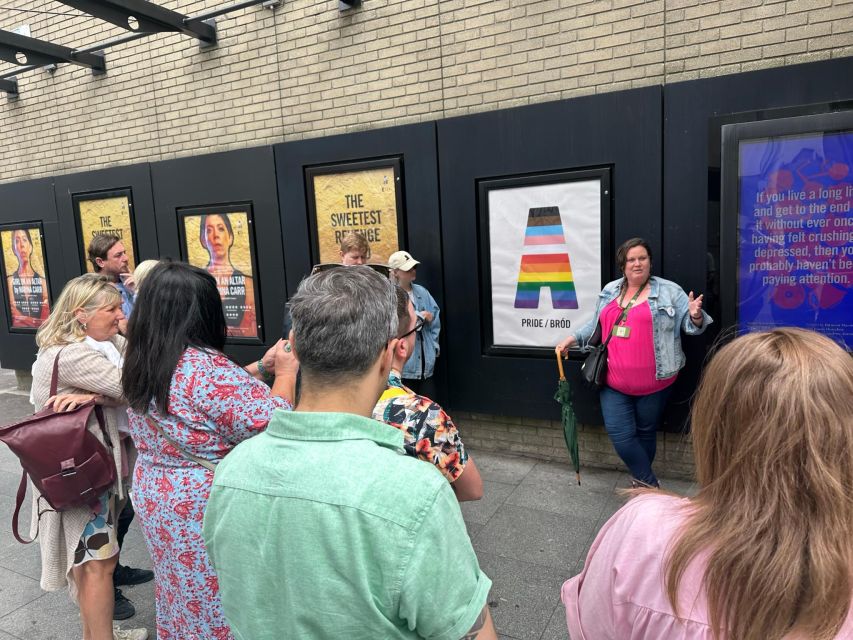
Dr Lydia Foy’s story brings the tour into the area of gender identity and legal recognition. The discussion includes the Gender Recognition Act, giving you a way to understand how Irish law eventually addressed the rights of transgender people.
This stop or section of the talk should appeal to anyone who wants more than a general account of Pride. It focuses on a specific person and a specific legal issue, showing how individual campaigns can expose gaps in the law.
The value here is context. Legislative change can sound abstract when you see it only as a title or date. A guide can explain what legal recognition means in daily life and why the issue became an important part of Ireland’s wider equality movement.
The subject may also be emotionally heavy. You should be ready for stories about exclusion and difficulty, not just colorful anecdotes or nightlife. That balance is one reason the tour seems better suited to people who want an honest account rather than a light entertainment walk.
Trinity College and the Sexual Liberation Movement
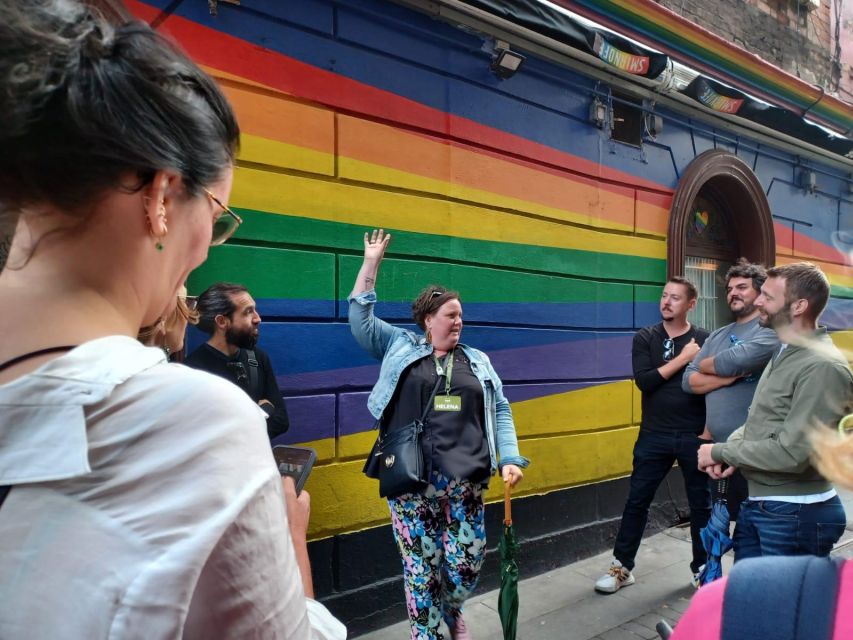
Trinity College brings student life and social activism into the route. The tour discusses the Sexual Liberation Movement here, linking the university setting with changing ideas about relationships, sexuality, and personal freedom.
This stop gives you a useful change of scale. The story moves from national protest and legal campaigns to the role of education, debate, and young activists. It shows how social movements often grow through conversations in places where people can question old rules.
The Trinity section also helps prevent the tour from becoming a list of famous LGBTQ+ names. The guide can connect individuals to wider movements and explain how attitudes change through pressure from many directions.
You will still see one of Dublin’s major historic institutions, but the interpretation is different from a standard college tour. The focus is not on architecture or famous alumni. It is on the people and ideas that challenged accepted views of sexuality.
The Hirschfield Centre and community spaces
The Hirschfield Centre adds a community dimension to the walk. Unlike a famous national landmark, a centre like this points toward the practical side of queer life: places where people could meet, organize, find support, and build a sense of belonging.
That matters because public campaigns need community behind them. A march or legal challenge may become the best-known part of a movement, but local spaces often provide the everyday support that keeps people connected.
The supplied route information identifies the Hirschfield Centre as an important location, though it does not give a detailed description of the stop itself. You should therefore think of it as a place where the guide adds local context, rather than expecting an interior visit or a formal attraction.
This is one reason to listen closely and ask questions. The most useful information may come in the conversation between major landmarks, when Helena explains how one place relates to another.
Diceman’s Corner and Dublin’s social history
Diceman’s Corner is another location tied to Dublin’s queer past. Its inclusion shows that the tour is not limited to government buildings, protest sites, or legal milestones.
Social history often survives through venues, meeting places, and entertainment spaces. These locations can reveal how LGBTQ+ people created community and visibility even when official institutions were slow to recognize them.
You may find this section especially interesting if you want to understand queer Dublin beyond politics. The story includes nightlife, friendship, public identity, and the places where people could encounter one another.
The route’s mix of locations keeps the walk from feeling too formal. You might move from a major civic site to a place with a more social connection, then hear how both belong to the same broader story.
The George, Ireland’s best-known LGBTQ+ venue
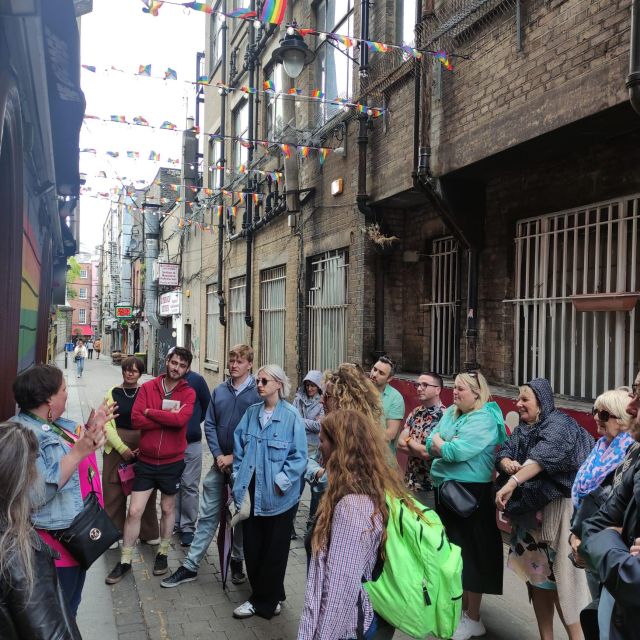
The George is described as Ireland’s most iconic LGBTQ venue and is one of the clearest modern reference points on the route. Its presence gives the tour a link to contemporary queer Dublin and to the importance of visible, welcoming venues.
A place like The George can help you understand why nightlife matters in community history. A venue is not only somewhere to go out. It can provide a public space where people meet, celebrate, express themselves, and feel less isolated.
The tour does not promise entry or a drink at The George, so treat this as an exterior or route-based stop unless your guide says otherwise. If you want to visit inside afterward, you can consider making it a separate part of your evening rather than assuming it is included.
This is also a useful point for comparing past and present. Earlier parts of the tour focus on protest, law, and exclusion. The George represents the everyday visibility that becomes possible after community activism has changed public attitudes.
What the two-hour format does well
Two hours is long enough to create a clear story, but short enough to fit around other Dublin plans. You can schedule it alongside sightseeing, a meal, or a visit to another attraction without giving up half a day.
The trade-off is depth. Ireland’s queer history includes many people, organizations, legal battles, and social changes. A two-hour walk cannot cover every period or explain every figure in detail.
I would approach it as an introduction with strong local grounding. You will leave with a better sense of the main people, places, and turning points, then you can decide what deserves more reading or a return visit.
The comments about Helena suggest that the time passes quickly because she combines information with conversation and humor. That is valuable on a serious subject. A dry lecture can make two hours feel long, while a well-paced walk gives the material room to breathe.
Is $27 a fair price?
At $27 per person, this is reasonably priced for a guided two-hour walking tour in central Dublin. You are paying for a live English-speaking guide, not transportation or admission to a museum.
The price makes the most sense if you care about LGBTQ+ history, social movements, Irish culture, or lesser-known stories behind familiar sights. A standard city tour may show you the GPO and Trinity College, but it is unlikely to explain them through this particular lens.
The value also depends on your preferred travel style. I would pay it for the chance to connect several city locations into one clear story, especially with a guide who can answer questions and add personal perspective.
If you want a broad overview of Dublin’s architecture, literary history, or major attractions, this is not the best use of your money. Its focus is specific, and that is exactly what makes it worthwhile for the right person.
Who should book this walk?
I would recommend it to first-time visitors who want a more personal way to understand Ireland’s social changes. It also suits Dublin residents, LGBTQ+ visitors, history students, and anyone who has already seen the main sights and wants a different reading of the city.
The tour can work for families with older children and teenagers who are comfortable discussing civil rights, identity, and discrimination. One comment specifically describes a teenage son enjoying the tour as much as his parent, which suggests the tone is not limited to specialist adults.
You should choose another activity if you dislike walking, prefer audio guides, or want a purely cheerful sightseeing experience. The tour includes serious stories about abuse, exclusion, and legal struggle, even though the guide’s style is warm and often funny.
The activity is listed as wheelchair accessible, but you should still wear comfortable shoes. The route moves through city streets, and the two-hour duration is long enough for poor footwear to become a nuisance.
Booking details that matter
The tour costs $27 per person and lasts two hours. Starting times vary, so check the available dates and times before planning the rest of your day.
You meet outside the Old Storehouse Bar & Restaurant and look for the green umbrella. The tour finishes back at that meeting point, which simplifies your plans afterward.
Free cancellation is available up to 24 hours before the activity for a full refund. You can also reserve now and pay later, useful if your Dublin schedule is still changing.
Should you book the Dublin LGBT Pride Walking Tour?
Book it if you want Dublin history told through LGBTQ+ lives, public protest, legal change, and community spaces. The route covers meaningful places, while Helena’s warm and lively style appears to keep the subject clear without making it feel stiff.
I especially like the combination of Liberty Hall, the GPO, Trinity College, Diceman’s Corner, the Hirschfield Centre, and The George. You see familiar Dublin alongside places that many standard tours skip.
Skip it if your main goal is a general city orientation or a quick list of famous sights. For everyone else, $27 is a fair price for a focused, thoughtful walk that can change how you read the streets after the tour ends.
FAQ
Where does the Dublin LGBT Pride Walking Tour start?
Meet your guide directly outside the Old Storehouse Bar & Restaurant. Look for someone carrying a green umbrella.
Where does the walking tour finish?
The activity ends back at the meeting point outside the Old Storehouse Bar & Restaurant.
How long does the tour last?
The tour lasts two hours. Starting times vary, so check availability for the times offered on your date.
What language is the tour in?
The live tour guide speaks English.
How much does the tour cost?
The listed price is $27 per person.
What locations are included?
The route includes or discusses Liberty Hall, the General Post Office, Trinity College, the Hirschfield Centre, Diceman’s Corner, and The George.
Which people are discussed on the tour?
The tour covers figures including Dr Lydia Foy and Panti Bliss, along with other important people in Ireland’s LGBTQ+ history.
Is the tour wheelchair accessible?
Yes, the activity is listed as wheelchair accessible.
Can I cancel for a refund?
Yes. You can cancel up to 24 hours in advance for a full refund.
Newest in Dublin
- Wicklow Mountains Private Day Tour including Glendalough★ 5.0 · 7 reviews
- Wicklow: Private Day Tour from Dublin★ 5.0 · 5 reviews
- From Dublin: Powerscourt House, Guinness Lake & Glendalough★ 5.0 · 2 reviews
- Ultimate Dublin Food Tour★ 4.5 · 2 reviews
- Women Of Ireland: Trailblazers & Pioneers★ 5.0 · 4 reviews
- Wicklow tour of Glendalough★ 4.5 · 8 reviews
- Wicklow Mountains & Glendalough Luxury Private Day Tour★ 5.0 · 23 reviews
- Whiskey Tasting Tour of Dublin★ 5.0 · 117 reviews
Historical Tours, compared.

Dublin Historical Centre Food Tour with 8 Food Tastings & Drinks
Read our review →

Historical 2-Hour Guided Walking Tour of Dublin
Read our review →
Dublin to Cork, Blarney Castle & Cóbh Heritage Centre by train
Read our review →
Jeanie Johnston Tall Ship Irish Famine History Tour
Read our review →

Deliciously Dublin: The Artisan Donut Walking & History Tour
Read our review →Browse the lists this tour appears in